

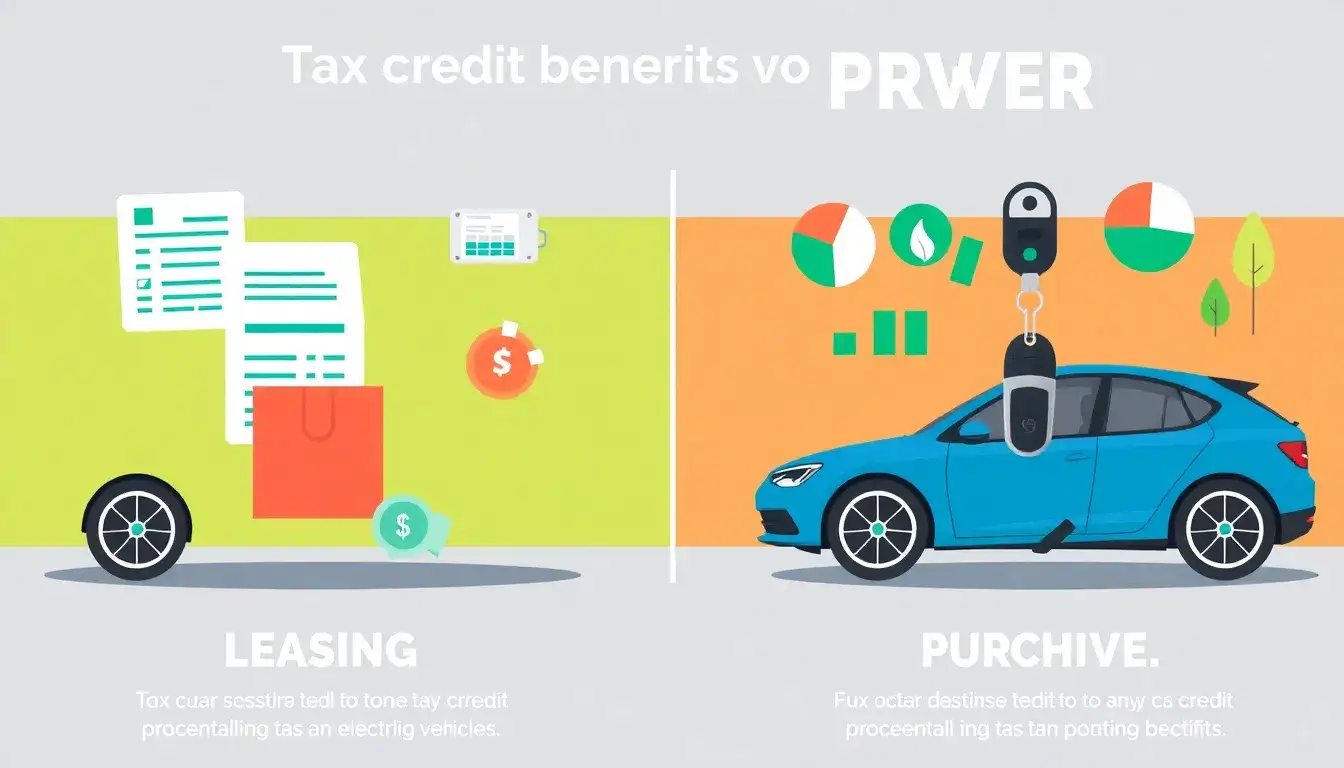
When considering the tax credit benefits of leasing an electric vehicle (EV) versus purchasing one, several key differences emerge:
Leasing an EV
Advantages:
- Broader Eligibility for Tax Credits: Leasing allows you to benefit from the federal EV tax credit more easily. Since the leasing company purchases the EV as a commercial sale, the strict consumer eligibility requirements (e.g., income limits, sourcing requirements) do not apply. This means leasing companies can claim the full $7,500 credit for vehicles that may not qualify if purchased directly by a consumer.
- No Tax Burden Required: You don’t need to owe taxes to benefit from the credit, as the leasing company applies it to lower your lease payments.
- Access to Newer Models: Leasing enables you to upgrade to newer EV models with advanced features more frequently.
Disadvantages:
- No Vehicle Ownership: At the end of the lease, you must return the vehicle unless you choose to purchase it.
- Credit Score Importance: A strong credit score is necessary to qualify for favorable lease terms.
Purchasing an EV
Advantages:
- Ownership: Once the vehicle is paid off, you own it outright.
- Potential for Long-Term Savings: After paying off the vehicle, you no longer make monthly payments.
Disadvantages:
- Strict Eligibility for Tax Credits: The federal EV tax credit has strict requirements, including income limits and sourcing criteria, which can be a barrier for many buyers.
- Depreciation Concerns: EVs may depreciate quickly, affecting resale value.
Comparing Tax Credits
- Federal Tax Credit: Up to $7,500 for purchases if you meet specific requirements. Leasing companies can claim this credit without those restrictions, potentially passing savings to you.
- State Incentives: Vary by state; for example, Colorado offers credits up to $6,000 ($3,500 for new EVs and an additional $2,500 for those under $35,000 MSRP).
In summary, leasing can provide more flexible access to tax credit benefits due to fewer eligibility restrictions, while purchasing allows for long-term ownership and potential savings post-loan repayment. However, the advantage of leasing may change after 2025 if current “loopholes” are addressed.
Original article by NenPower, If reposted, please credit the source: https://nenpower.com/blog/how-do-the-tax-credit-benefits-of-leasing-an-ev-compare-to-purchasing-one/

