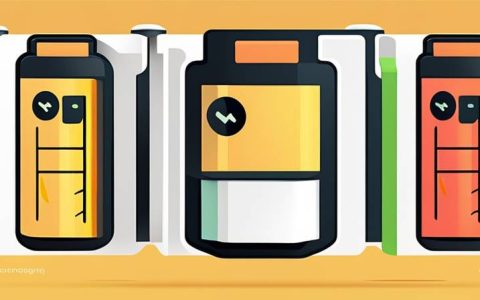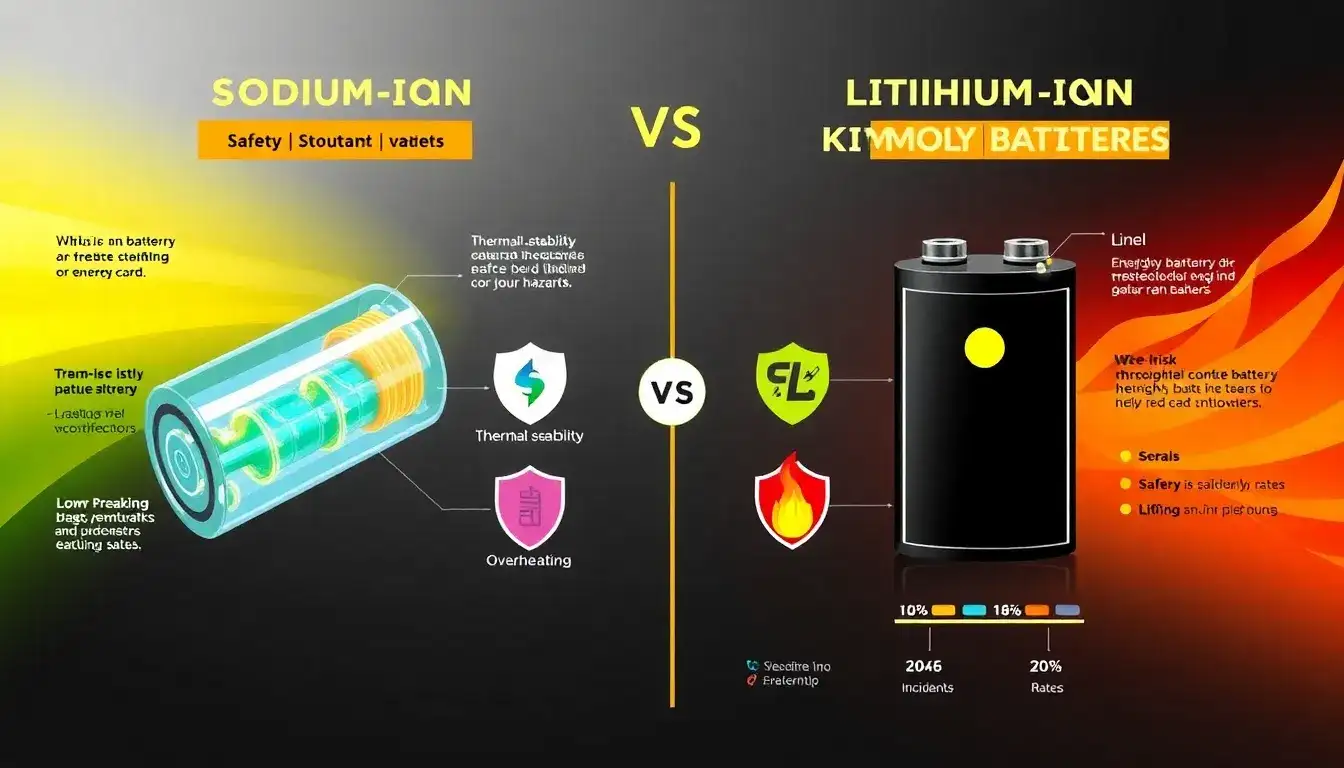
The safety features of sodium-ion batteries compared to lithium-ion batteries are subject to ongoing research, with both types having distinct advantages and challenges.
Key Safety Considerations
-
Material Availability and Reactivity:
- Sodium-ion batteries use sodium, which is more abundant and less reactive than lithium, potentially reducing the risk of thermal runaway reactions. However, sodium is highly reactive, posing significant challenges to battery stability.
- Lithium-ion batteries use lithium, which, while safer under normal conditions, can lead to fires or explosions if damaged or subjected to extreme conditions due to its high reactivity.
-
Electrolyte Safety:
- Both sodium-ion and lithium-ion batteries often use flammable organic electrolytes, which carry similar safety risks. However, some advancements in sodium-ion technology involve using solid electrolytes or safer solvents to mitigate this risk.
- A recent development at The University of Texas at Austin uses a nonflammable solvent in the electrolyte, enhancing safety by reducing fire risks.
-
Construction and Stability:
- Sodium-ion batteries, especially those with solid-state designs or specific materials, may offer improved thermal stability and reduced risk of short circuits.
- Lithium-ion batteries have been extensively studied, but their stability can vary significantly based on cathode and anode materials.
-
Fire Resistance and Thermal Runaway:
- Some sodium-ion battery technologies claim to be inherently nonflammable and resistant to thermal runaway, offering enhanced safety.
- Lithium-ion batteries are more prone to thermal runaway, especially if damaged or overheated.
Conclusion
Sodium-ion batteries have the potential to be safer due to the abundance and lower reactivity of sodium under certain conditions, but both types of batteries carry risks primarily associated with the use of flammable electrolytes. Ongoing research aims to mitigate these risks by developing safer electrolytes and battery constructions. Sodium-ion batteries are not yet widely commercialized, and more in-depth studies are needed to fully assess their safety advantages over lithium-ion batteries.
Summary:
| Feature | Sodium-ion Batteries | Lithium-ion Batteries |
|---|---|---|
| Material Reactivity | Less reactive, but highly reactive when not managed properly | Highly reactive, prone to thermal runaway |
| Electrolyte Safety | Similar risk due to flammable electrolytes; solid-state designs may improve safety | Similar risk due to flammable electrolytes |
| Construction and Stability | Potential for improved thermal stability with solid-state designs | Stability varies with materials used |
| Fire Resistance | Some designs claim to be nonflammable | More prone to thermal runaway and fires |
Original article by NenPower, If reposted, please credit the source: https://nenpower.com/blog/how-do-the-safety-features-of-sodium-ion-batteries-compare-to-those-of-lithium-ion-batteries/