

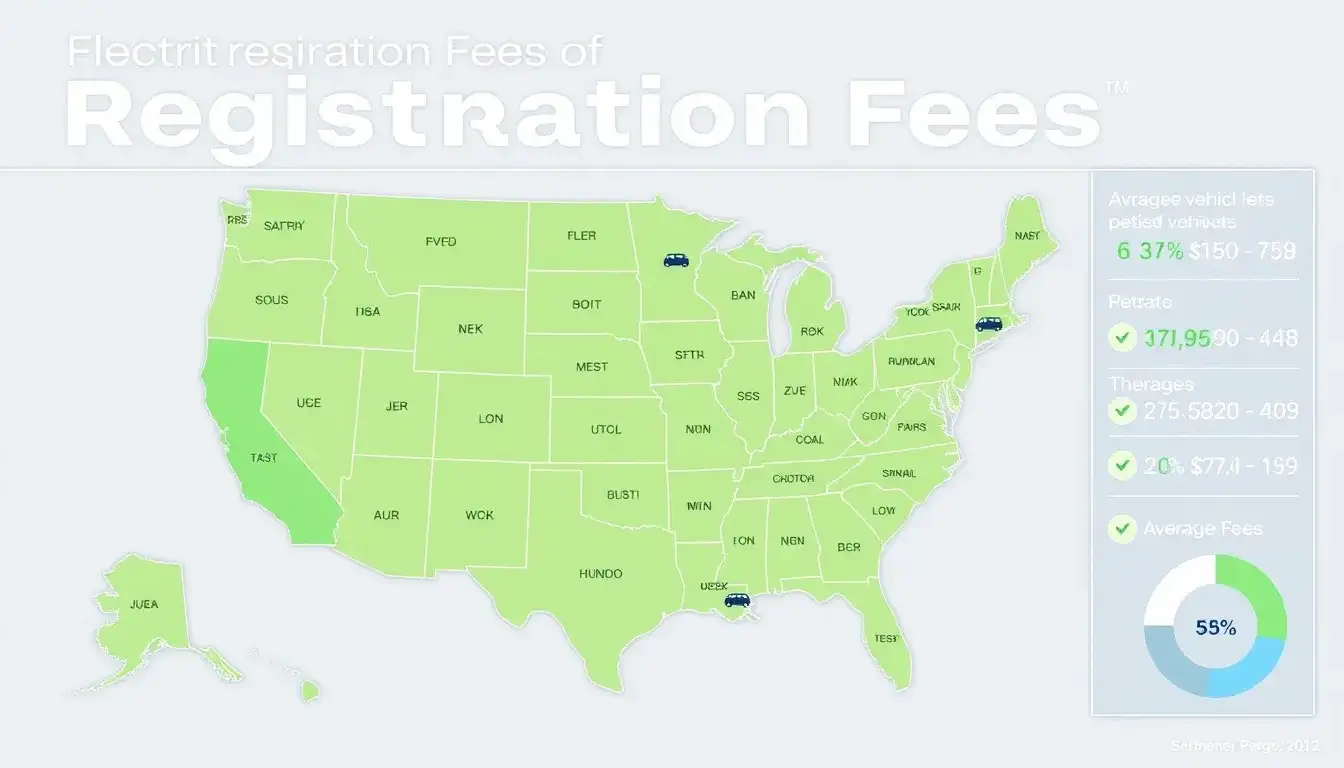
Electric vehicle registration fees vary significantly by state, with annual charges ranging from $50 to over $200. Below is a comparison of fees for EVs and hybrids, organized by cost tiers and key details:
Fee Structure Overview
- EVs typically incur higher fees than hybrids, often justified as a replacement for gas tax revenue.
- Hybrids/PHEVs generally pay lower fees (e.g., $50–$100 annually), except in states like Montana where weight-based surcharges apply.
State-by-State Examples
Lower Tiers ($50–$100)
- California: $100/year for EVs, indexed to inflation.
- Colorado: $51.88/year for EVs (FY 2024-2025) plus a road usage fee ($8 in 2025).
- Idaho: $140/year for EVs; $75 for PHEVs.
- Indiana: $150/year for EVs; $50 for hybrids.
Mid-Tiers ($100–$200)
- Alabama: $100/year for PHEVs; $200 for EVs.
- Georgia: $213.70/year for EVs (adjusted annually).
- Michigan: $135/year for EVs under 8,000 lbs; $235 for heavier EVs.
- Tennessee: $100/year for EVs.
Higher Tiers ($200+)
- Ohio: $200/year for EVs.
- West Virginia: $200/year for EVs.
- Wyoming: $200/year for EVs.
- Oklahoma: $112–$148/year (weight-based).
Special Cases
- Kansas: EV/hybrid fees replace standard registration fees.
- Montana: Fees scale with weight (e.g., $140–$200 for permanent registration).
- Kentucky: Introduced a $120/year EV fee in 2025, with annual adjustments.
Key Trends
- Annual Adjustments: Fees in states like California, Indiana, and Georgia are tied to inflation or gas tax rates.
- Weight-Based Fees: Montana, Oklahoma, and others impose higher fees on heavier EVs.
- Hybrid Penalties: Some states (e.g., Alabama, Arkansas) charge hybrids up to $100/year.
Averages hover around $79/year for EVs, though fees in states like Georgia exceed $200/year when including incentives or adjusted rates.
Original article by NenPower, If reposted, please credit the source: https://nenpower.com/blog/how-do-the-registration-fees-for-electric-vehicles-compare-across-different-states/

