

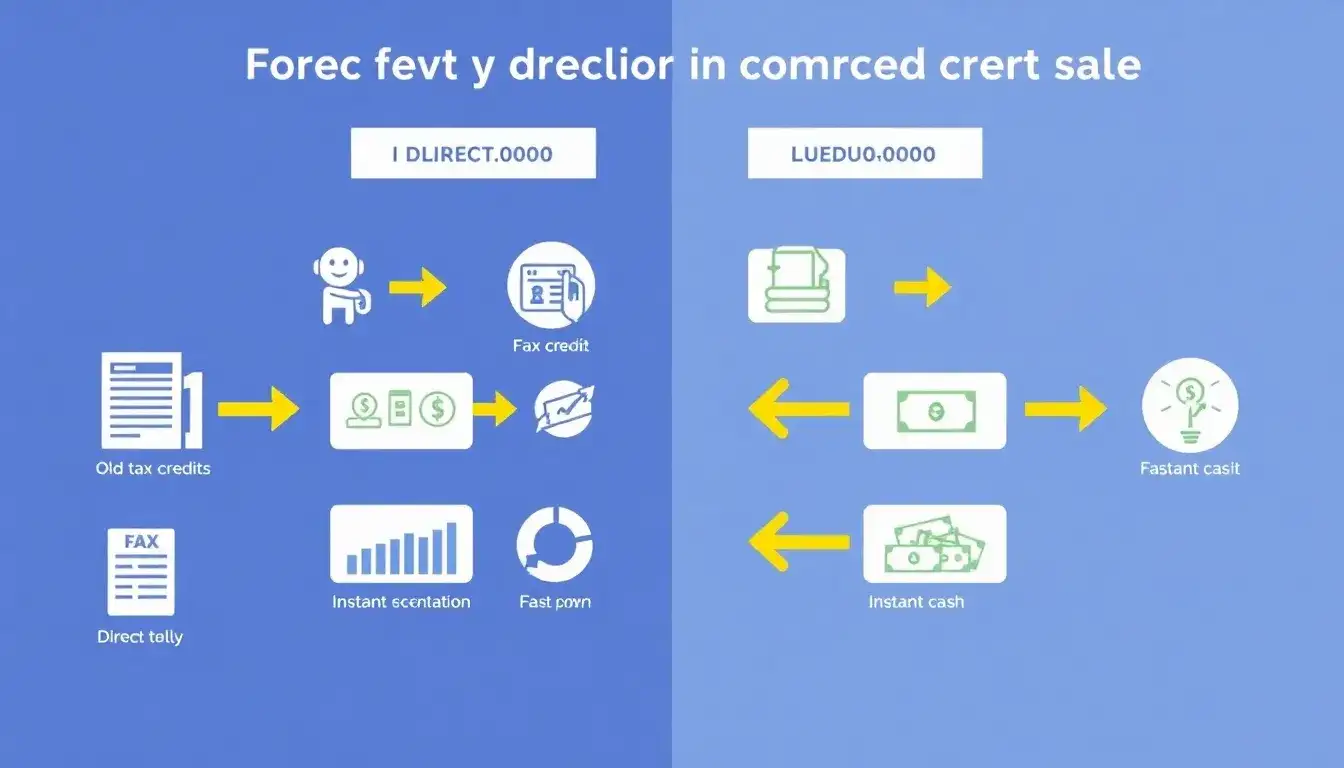
The Inflation Reduction Act (IRA) of 2022 introduced significant changes to how tax credits are utilized, particularly through the creation of direct pay and credit transfer mechanisms. These changes mark a departure from traditional tax credit structures in several key ways:
Direct Pay Mechanism
- Eligibility: The IRA allows tax-exempt entities, such as state and local governments, rural electric cooperatives, and Indian tribal governments, to receive direct payments from the IRS for certain tax credits. This includes renewable energy projects like solar and wind farms.
- Impact: Direct pay essentially treats tax credits as refundable payments, providing these entities with a direct cash equivalent to the credit value. This enables them to fund projects without needing to have tax liabilities.
- Flexibility and Limitations: Direct pay is available for specific credits and requires preregistration with the IRS. The election for direct pay is generally irrevocable once made.
Credit Transfer (Sale) Mechanism
- Functionality: The IRA allows eligible taxpayers to sell or transfer tax credits to other parties. This can be particularly beneficial for businesses with credits exceeding their tax liability.
- Benefits: Transferring credits allows businesses to monetize excess credits they cannot use themselves, providing liquidity when needed. Credit transfers can occur before tax filing and are valued at a proportion of the credit’s full value, typically ranging from 89 to 95 cents per dollar.
- Limitations: The purchaser assumes any liability if a credit is deemed ineligible, which may affect pricing. Insurance is often included in these transactions to mitigate such risks.
Comparison to Previous Structures
- Historical Limitations: Traditional tax credits were non-refundable for businesses, meaning if credits exceeded tax liabilities, businesses did not receive a refund for the excess amount. Additionally, tax-exempt entities were unable to benefit from credits without tax liabilities.
- Increased Accessibility: The IRA’s mechanisms increase accessibility for tax-exempt entities and small businesses by allowing them to directly monetize credits or sell them, promoting more widespread investment in clean energy projects.
- Financial Impact: The new mechanisms can boost liquidity and investment in renewable energy by providing immediate cash flows, which are critical for project financing, especially for entities without significant tax liabilities.
- Tax Equity Role: While tax equity remains a preferred method for monetizing both tax credits and other tax benefits, direct pay and transfer options offer complementary financing strategies, particularly for smaller or tax-exempt entities.
In summary, the IRA’s direct pay and credit transfer options offer greater flexibility and accessibility for a broader range of entities to invest in clean energy projects, marking a significant shift from previous structures that limited benefits mainly to taxable entities.
Original article by NenPower, If reposted, please credit the source: https://nenpower.com/blog/how-do-the-new-direct-pay-and-credit-sales-mechanisms-under-the-ira-compare-to-previous-tax-credit-structures/

