

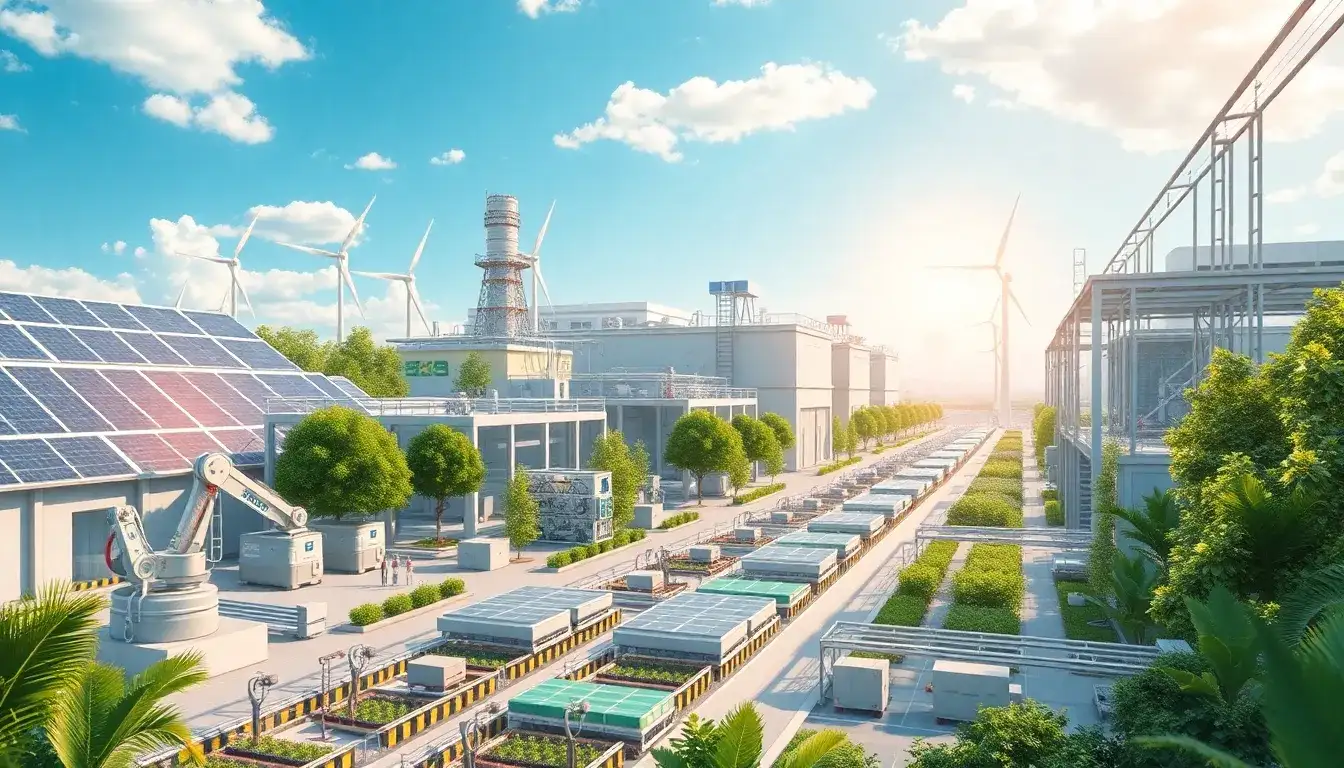
Manufacturing Process Overview
Perovskite solar cells are typically produced by depositing an ultra-thin layer of a perovskite ink or powder onto a substrate (often conductive glass) using methods such as spin-coating, roll-to-roll, printing, or electrodeposition. The perovskite precursors are dissolved in solvents to form an ink, which is then deposited and heated to form the crystalline photoactive layer. Additional conductive and electrode layers are added to complete the cell structure. Laser scribing is applied to separate and connect individual cells in a module, followed by encapsulation for protection. Compared to silicon solar cells, perovskite manufacturing can occur near room temperature, which reduces energy consumption during fabrication.
Environmental Impacts of Manufacturing
1. Use of Solvents and Chemicals
The perovskite precursor inks involve solvents, many of which can be toxic or volatile organic compounds (VOCs). The use and disposal of these solvents pose environmental risks such as air pollution and chemical waste if not properly managed. This contrasts with silicon solar cell manufacturing, which involves high-temperature melting but different chemical risks.
2. Energy Consumption
Perovskite solar cell production requires less thermal energy than silicon wafer production because it can be done close to room temperature without the need for melting and crystallizing silicon ingots. This reduction in energy consumption during manufacturing results in a potentially lower carbon footprint compared to traditional silicon cells.
3. Material Efficiency and Waste
The thin-film nature of perovskite cells means that far less raw material is required compared to silicon wafers, which are sliced from large ingots. This reduction in material usage helps reduce waste and environmental impact from raw material extraction and processing.
4. Toxicity and Lifecycle Concerns
Many perovskite materials contain lead, which raises concerns about toxicity and environmental contamination during manufacturing, disposal, or accidental release. Managing lead content through recycling or eco-friendly encapsulation is essential to minimize environmental risks throughout the product lifecycle.
Summary Table of Environmental Aspects
| Aspect | Perovskite Solar Cells | Silicon Solar Cells |
|---|---|---|
| Energy for production | Low (near room temp processes) | High (melting and crystallization of silicon) |
| Raw material usage | Low (thin-film technology) | High (silicon ingots sliced into wafers) |
| Chemical usage | Organic solvents, lead-based materials (risk) | Chemicals for wafer processing (less toxic solvents) |
| Waste and emissions | Potential VOC emissions, lead contamination risks | Silicon dust and chemical wastes |
Conclusion
The manufacturing of perovskite solar cells tends to have a lower energy footprint due to less heat-intensive processing and reduced raw material consumption compared to silicon cells. However, environmental concerns arise primarily from the use of toxic solvents and lead in the perovskite materials, which require careful control and disposal measures. Advances in manufacturing methods, such as simplified coating techniques that reduce processing steps, may further lower environmental impacts and accelerate commercialization.
In summary, while perovskite solar cells offer potential environmental benefits in energy savings and material efficiency during manufacture, careful management of chemical toxicity and solvent use remains critical to minimizing their overall environmental impact.
Original article by NenPower, If reposted, please credit the source: https://nenpower.com/blog/how-do-the-manufacturing-processes-of-perovskite-solar-cells-impact-the-environment/

