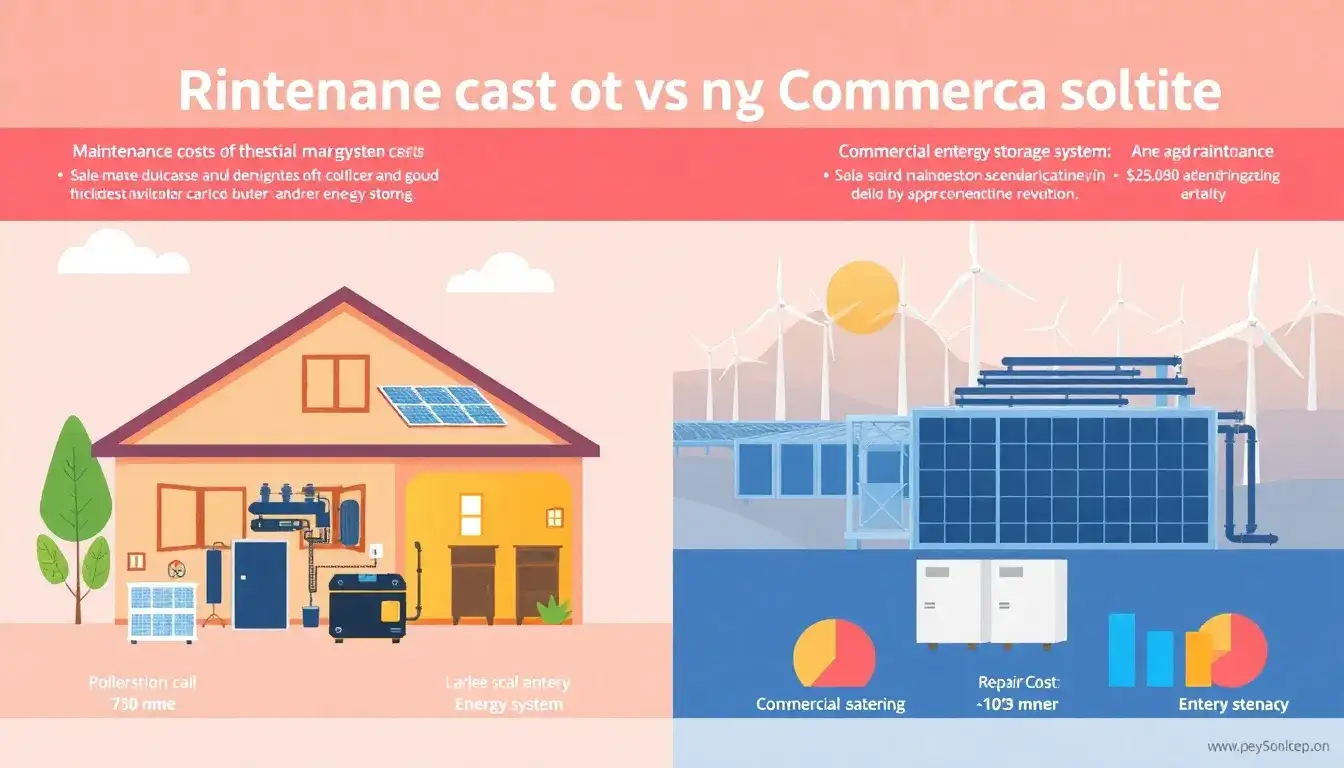
Maintenance costs for residential and commercial energy storage systems can differ in several key areas:
Residential Energy Storage Systems
- Battery Lifespan and Replacement: Residential energy storage systems typically last between 10 to 15 years depending on usage and technology. Replacement costs can be substantial, as batteries themselves can cost between $400 to $700 per kWh.
- Maintenance Requirements: Residential systems are relatively low-maintenance but may require periodic checks and servicing, especially if older. Costs for these services are typically minor compared to replacement costs.
- Scalability and Complexity: Residential systems are smaller and less complex, which generally results in lower maintenance costs compared to larger commercial setups.
- Location-Specific Factors: The need for electrical upgrades or additional equipment like inverters can vary by location and existing infrastructure, affecting overall maintenance costs.
Commercial Energy Storage Systems
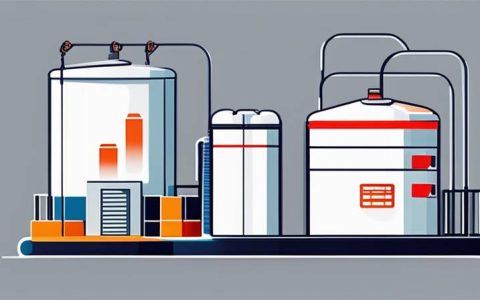
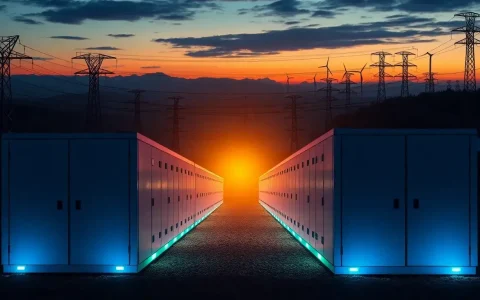
- Scalability and Complexity: Commercial systems are larger and more complex, requiring more complex maintenance due to their size and integration with other energy systems. This complexity can significantly increase maintenance costs compared to residential systems.
- Operational Frequency: Commercial systems often operate at a higher frequency (more cycles per day), which can reduce battery lifespan and increase maintenance needs compared to residential systems.
- Customization and Integration: Commercial setups may involve customized integration with existing energy infrastructure, requiring specialized maintenance techniques and potentially higher costs.
- Regulatory Compliance: Commercial energy storage systems may need to comply with specific regulations or industry standards, which can add to maintenance costs in terms of reporting and compliance checks.
Key Differences
- Scale of Operations: Commercial systems are generally larger and more complex, leading to higher maintenance costs.
- Operational Intensity: Commercial systems often have higher operational demands, shortening battery lifespan and increasing maintenance needs.
- Regulatory Requirements: Commercial systems are subject to stricter regulatory requirements, which can increase maintenance costs.
Overall, while the basic principles of maintenance apply to both residential and commercial systems, the scale, complexity, and operational intensity of commercial systems tend to result in higher maintenance costs.
Original article by NenPower, If reposted, please credit the source: https://nenpower.com/blog/how-do-the-maintenance-costs-differ-between-residential-and-commercial-energy-storage-systems/