

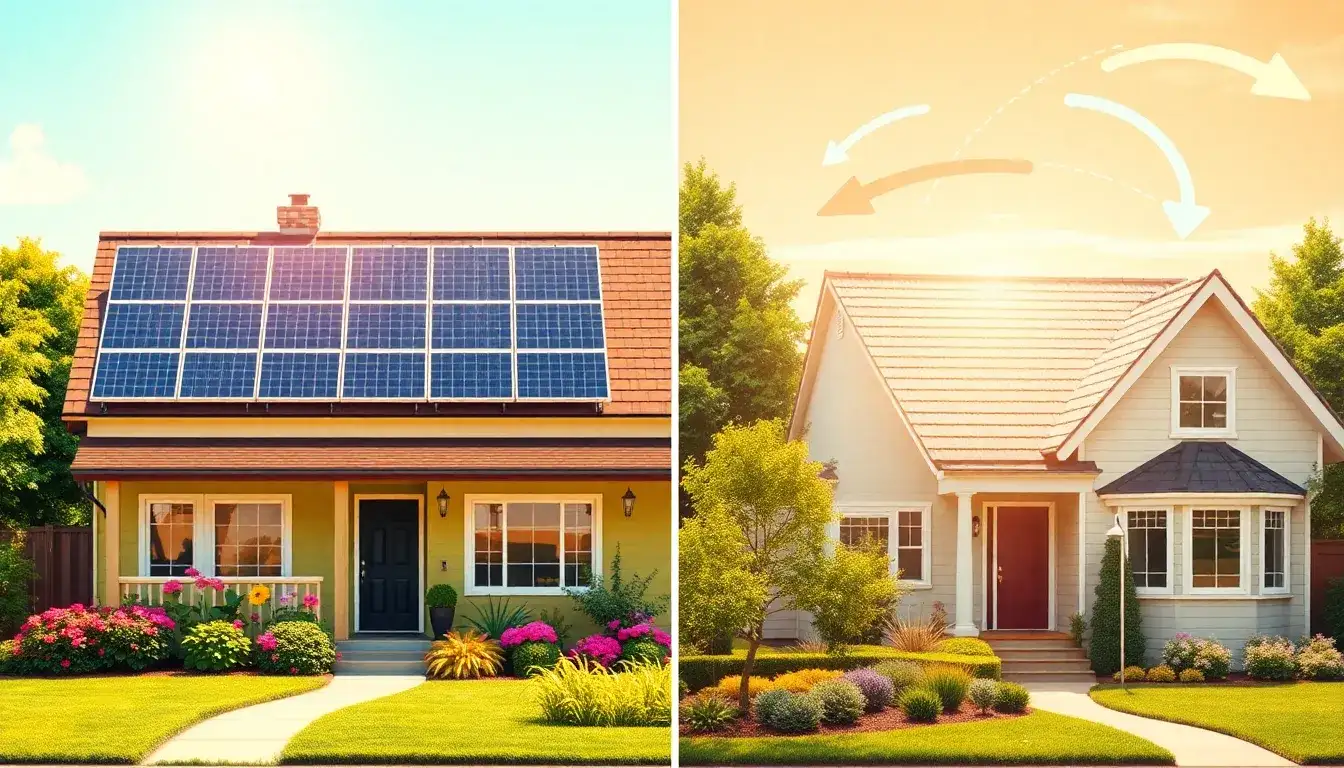
Interest rates on solar loans generally vary but tend to range from about 3.99% to 8.00% APR, depending on the lender and loan structure. For example, Star One Credit Union offers solar loans with APRs between 6.25% and 8.00% as of April 2025. Some solar lenders, such as LightStream, have rates from 3.99% up to 16.99%, but these may include fees or vary significantly by credit profile.
In comparison, traditional home improvement loans (including personal loans and home equity loans) often offer lower interest rates than solar loans, partially because they usually have fewer or lower fees. Home equity loans or lines of credit, which are secured by the borrower’s home, typically have lower interest rates than unsecured solar loans. These rates can be quite competitive, often lower than solar loan APRs, especially since home improvement loans or HELOCs have lower fees and tax benefits.
Key distinctions include:
| Loan Type | Interest Rate Range (APR) | Fees and Other Costs | Secured vs. Unsecured |
|---|---|---|---|
| Solar loans | ~3.99% to 8.00% (some up to 16.99%) | Often have dealer/origination fees (20-40% of system cost) | Can be unsecured or secured |
| Home improvement loans | Typically lower than solar loans, varies | Usually lower fees than solar loans | Often secured by home equity |
| Home equity loans/HELOCs | Often lower rates (variable rates for HELOCs) | Lower fees, uses home as collateral | Secured by home |
While solar loans may advertise low interest rates, they frequently include high dealer fees that significantly increase the total loan cost, sometimes by as much as 30% of the financed amount, negating the benefit of a lower APR. In contrast, home improvement loans typically have lower fees, making their total cost of borrowing potentially less than some solar loans despite a similar or slightly higher interest rate.
In summary, solar loans often carry interest rates comparable to or slightly higher than traditional home improvement loans but can be more expensive overall due to added fees. Home equity loans and HELOCs generally offer lower interest rates and fees but require using your home as collateral. Choosing between them depends on your financial situation, loan terms, and fees, and it is important to consider the total cost rather than just the interest rate.
Original article by NenPower, If reposted, please credit the source: https://nenpower.com/blog/how-do-the-interest-rates-on-solar-loans-compare-to-traditional-home-improvement-loans/

