

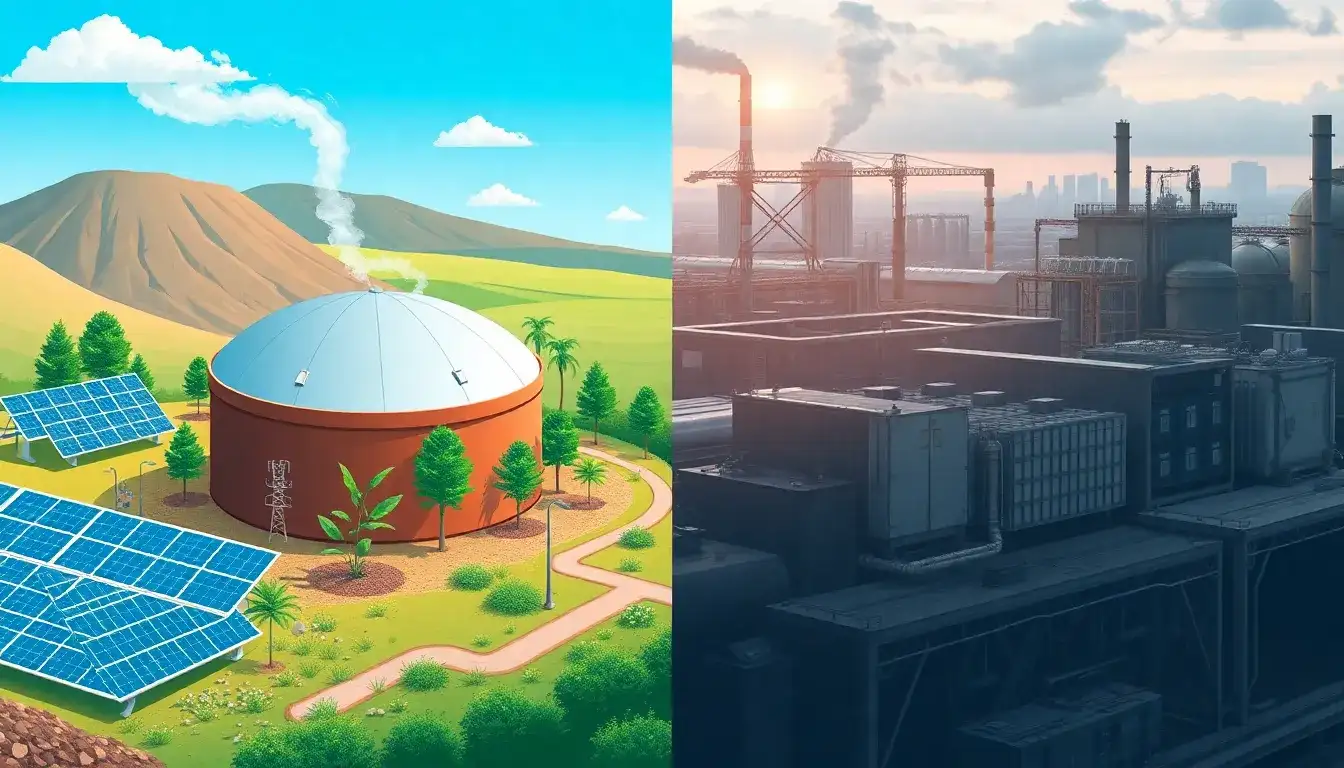
Environmental Impacts
Thermal Energy Storage (TES)
- Emission Reduction: TES can reduce greenhouse gas emissions by up to 7% compared to systems without storage or backup. It also helps decrease air emissions from power plants, notably in regions where natural gas is the marginal fuel.
- Efficiency and Resource Use: TES enhances the efficiency of renewable energy sources like wind and solar by storing energy during low demand periods and using it during peak hours, which reduces the need for additional power plants.
- Water Impact: TES typically uses water for cooling, but strategies like storing cooling energy at night can minimize water usage.
Lithium-Ion Batteries
- Material Extraction: Lithium-ion batteries rely on the extraction of lithium, cobalt, and other metals, which can lead to environmental degradation and human rights issues associated with mining practices.
- Emission Intensity: The production of lithium-ion batteries generally has a higher carbon footprint compared to the operational emissions saved during their use, although their overall benefit in reducing emissions by supporting renewable energy integration is significant.
- Recycling and Disposal: Improper disposal can lead to pollution, but advanced recycling technologies are being developed to manage waste more sustainably.
Comparison Points
- Emission Reduction: Both TES and lithium-ion batteries support the integration of renewable energy and can reduce greenhouse gas emissions. However, TES specifically focuses on thermal efficiency and peak demand management, while lithium-ion batteries provide broader support for intermittent renewable power sources.
- Material Requirements: Lithium-ion batteries involve significant material extraction and processing, whereas TES systems generally do not, making TES potentially less resource-intensive in terms of raw materials.
- Scalability and Flexibility: Lithium-ion batteries offer flexibility in application across various industries, including transportation and grid-scale energy storage, whereas TES is primarily used for building cooling and heating systems.
In summary, while both technologies help reduce emissions by supporting renewable energy integration, TES tends to be less resource-intensive and focuses more on thermal efficiency and peak demand management. Lithium-ion batteries, however, offer broader scalability and flexibility across different sectors but come with concerns related to material extraction and disposal.
Note: Specific details about lithium-ion batteries, such as material extraction issues, recycling challenges, and emission benefits, are not directly addressed in the search results provided but are included based on general knowledge about these technologies.
Original article by NenPower, If reposted, please credit the source: https://nenpower.com/blog/how-do-the-environmental-impacts-of-thermal-energy-storage-compare-to-those-of-lithium-ion-batteries/

