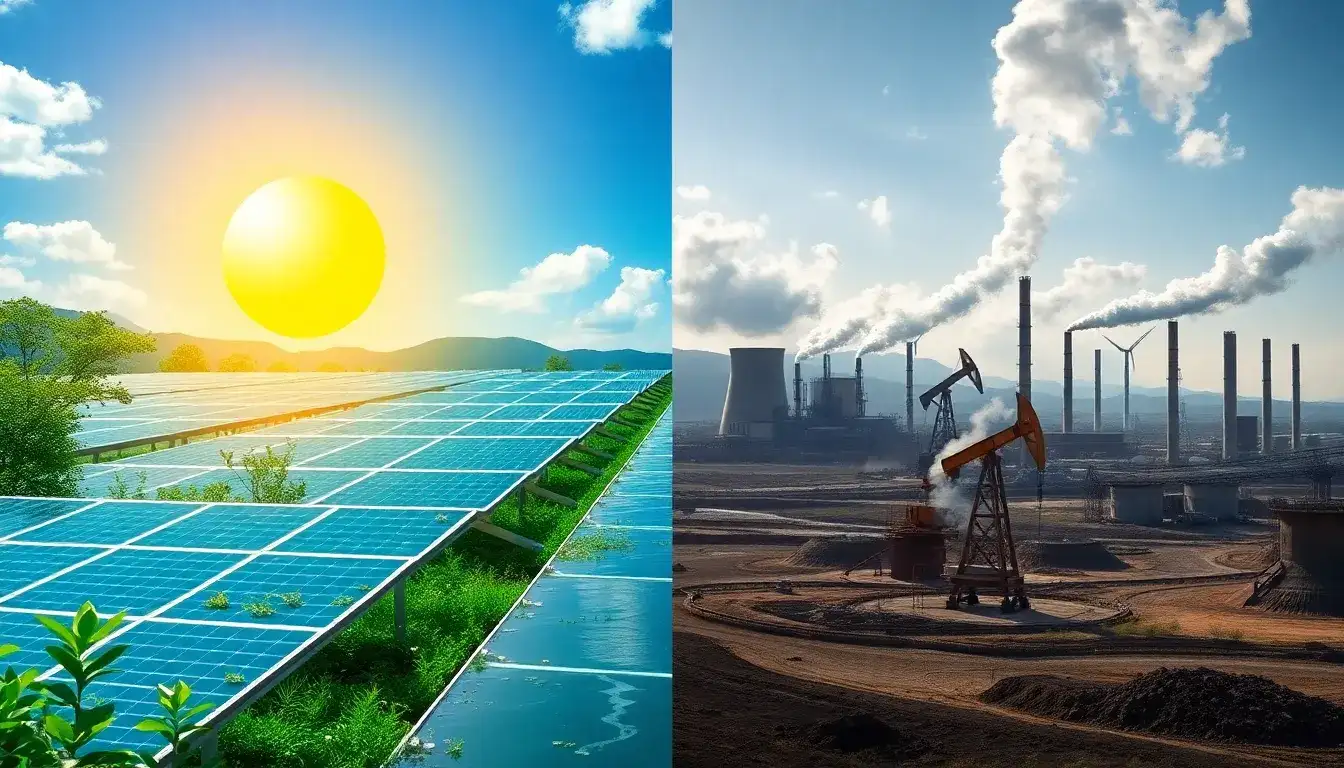
Comparing the environmental impacts of photovoltaic systems to those of fossil fuels reveals significant differences across various dimensions, including emissions, resource use, and end-of-life management.
Environmental Impacts of Photovoltaic Systems
Emissions During Operation
- Zero Emissions: Photovoltaic systems produce electricity with zero emissions of carbon dioxide (CO2), methane (CH4), sulfur oxides (SOX), and nitrogen oxides (NOX) during operation.
- Life-Cycle Emissions: Although PV systems have minimal operational emissions, their life-cycle emissions (including production and disposal) range from 0.07 to 0.18 pounds of CO2 equivalent per kilowatt-hour.
Resource Use and Land Requirements
- Land Use: While PV systems require land for installation, large-scale projects can lead to habitat loss and affect local ecosystems.
- Material Extraction: Production involves extracting materials like silicon, silver, and aluminum, which can result in habitat destruction and greenhouse gas emissions during manufacturing.
End-of-Life Management
- Waste Generation: As PV panels age, they contribute to waste, with less than 10% currently being recycled in the US, resulting in potential environmental and health concerns if not disposed of properly.
Environmental Impacts of Fossil Fuels
Emissions During Operation
- Significant Emissions: Fossil fuels produce substantial amounts of CO2, CH4, SOX, and NOX during combustion, contributing to climate change and air pollution.
- Life-Cycle Emissions: Life-cycle emissions for fossil fuels are significantly higher than those for PV systems, including extraction, processing, and combustion phases.
Resource Use and Extraction
- Resource Extraction: Fossil fuel extraction can lead to severe environmental impacts, including habitat destruction, water pollution, and increased greenhouse gas emissions during extraction and transportation.
- Land Use: Fossil fuel extraction and infrastructure development can alter landscapes and impact biodiversity.
End-of-Life Management
- No End-of-Life Waste Management: Fossil fuels are consumed during use, leaving no waste from the fuel itself but generating pollution and emissions throughout their lifecycle.
Comparison Summary
- Operational Emissions: Photovoltaic systems emit virtually nothing during operation, while fossil fuels emit significant amounts of greenhouse gases.
- Resource Use: Both have environmental impacts during extraction/manufacturing, but solar panels require more upfront material extraction and energy.
- End-of-Life Management: Solar panels contribute to waste, while fossil fuels’ environmental impact is primarily through emissions during use.
- Scalability and Sustainability: Solar energy is a renewable resource with a clearer path to sustainability, though challenges exist in recycling and resource extraction.
Overall, photovoltaic systems have a much lower environmental impact during operation compared to fossil fuels. However, the production and disposal phases of solar panels present their own challenges, emphasizing the need for effective recycling and waste management strategies.
Original article by NenPower, If reposted, please credit the source: https://nenpower.com/blog/how-do-the-environmental-impacts-of-photovoltaic-systems-compare-to-those-of-fossil-fuels/