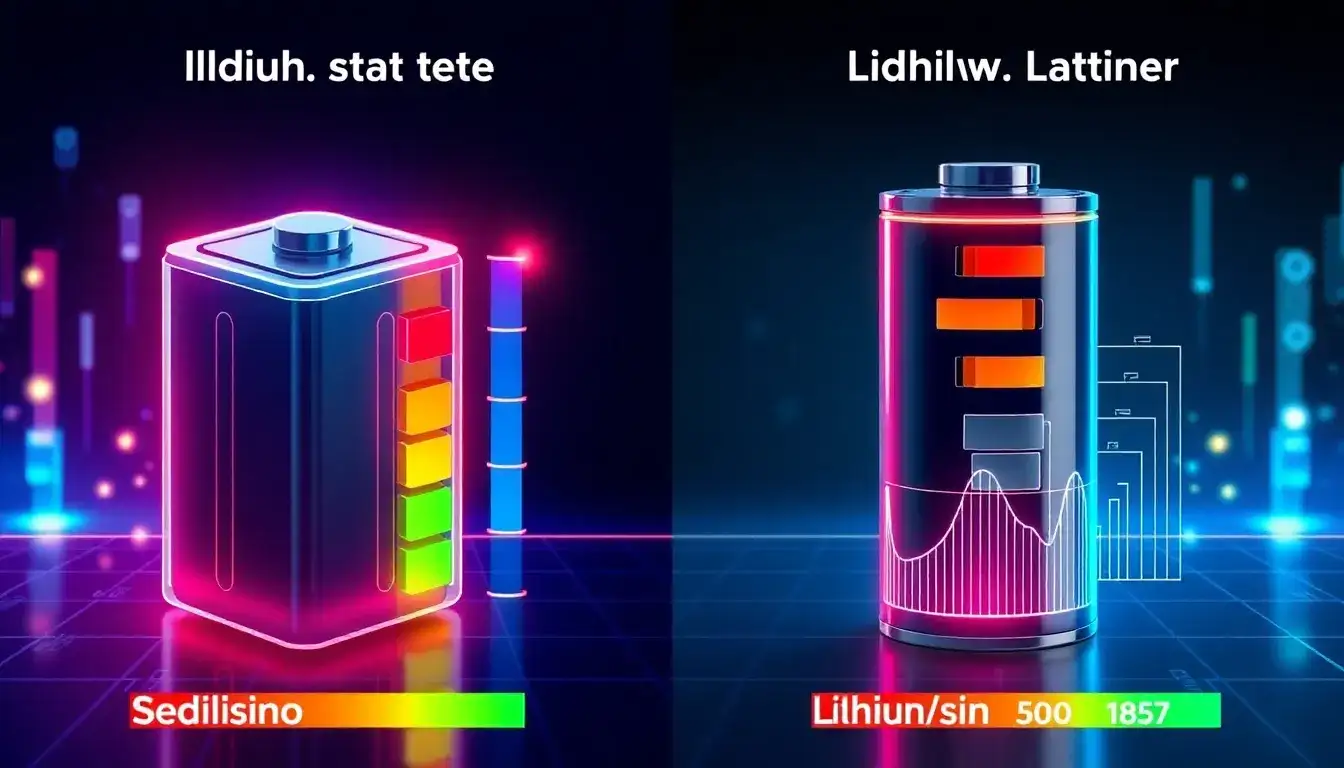
Solid-state batteries (SSBs) offer higher energy densities compared to traditional lithium-ion batteries. Lithium-ion batteries typically have an energy density below 300 Wh/kg, whereas solid-state batteries can exceed 350 Wh/kg, with some advanced versions reaching as high as 500 Wh/kg, such as Samsung SDI’s latest technology. This significant increase in energy density allows solid-state batteries to store more energy in the same volume, making them more suitable for applications like electric vehicles where range and efficiency are critical.
Here is a comparison of the energy densities:
| Battery Type | Energy Density |
|---|---|
| Lithium-ion | Below 300 Wh/kg |
| Solid-State (Basic) | 350-500 Wh/kg |
| Solid-State (Advanced) | Up to 500 Wh/kg |
These advancements make solid-state batteries an attractive option for improving the driving range and safety of electric vehicles by offering better performance and reducing the risk of fires.
Original article by NenPower, If reposted, please credit the source: https://nenpower.com/blog/how-do-the-energy-densities-of-solid-state-batteries-compare-to-lithium-ion-batteries/