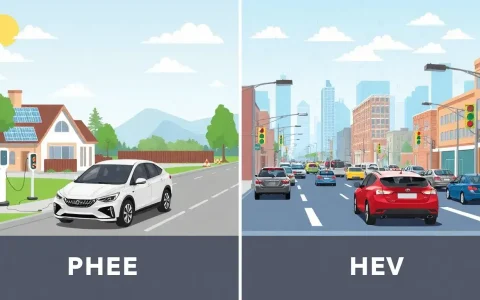
Advancements in grid decarbonization can significantly impact the emissions profile of both Plug-in Hybrid Electric Vehicles (PHEVs) and Hybrid Electric Vehicles (HEVs), though in distinct ways.
Plug-in Hybrid Electric Vehicles (PHEVs)
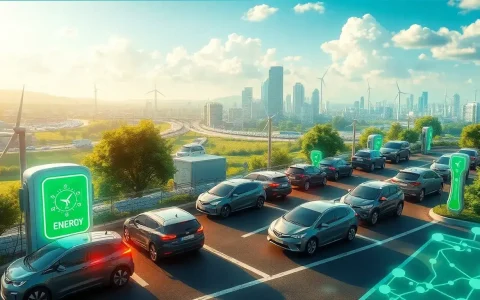
- Emissions Reduction: As the grid decarbonizes, the emissions from PHEVs decrease because they can utilize cleaner electricity for charging. This shift to cleaner energy sources reduces well-to-wheel emissions, as electricity used for charging becomes less carbon-intensive.
- Energy Efficiency: PHEVs can contribute to grid efficiency by providing vehicle-to-grid (V2G) services. This includes acting as spinning reserves to support the grid, which can reduce emissions from peaking power plants by optimizing generator dispatch and reducing the need for inefficient power generation.
- Grid Interaction: With a more decarbonized grid, PHEVs can benefit from reduced emissions in the production phase of electricity, contributing to further emissions savings over their lifecycle compared to traditional ICEVs.
Hybrid Electric Vehicles (HEVs)
- Limited Direct Impact: Since HEVs rely solely on petroleum and do not use electricity from the grid for propulsion, they are not directly affected by grid decarbonization in terms of their fuel source emissions. However, they still offer better fuel efficiency than conventional ICEVs, which indirectly reduces emissions by lowering the amount of petroleum consumed.
- Indirect Benefits: While grid decarbonization does not directly reduce HEV emissions, the decarbonization efforts across the broader energy sector can influence the overall environmental policy landscape, potentially leading to stricter emissions standards that benefit HEV and similar technologies indirectly.
In summary, PHEVs benefit directly from grid decarbonization, experiencing significant reductions in emissions, while HEVs see minimal direct impact due to their reliance on fossil fuels. However, the overall trend towards cleaner energy can support the development of more efficient vehicle technologies, including HEVs.
Original article by NenPower, If reposted, please credit the source: https://nenpower.com/blog/how-do-the-emissions-of-phevs-and-hevs-change-with-advancements-in-grid-decarbonization/