

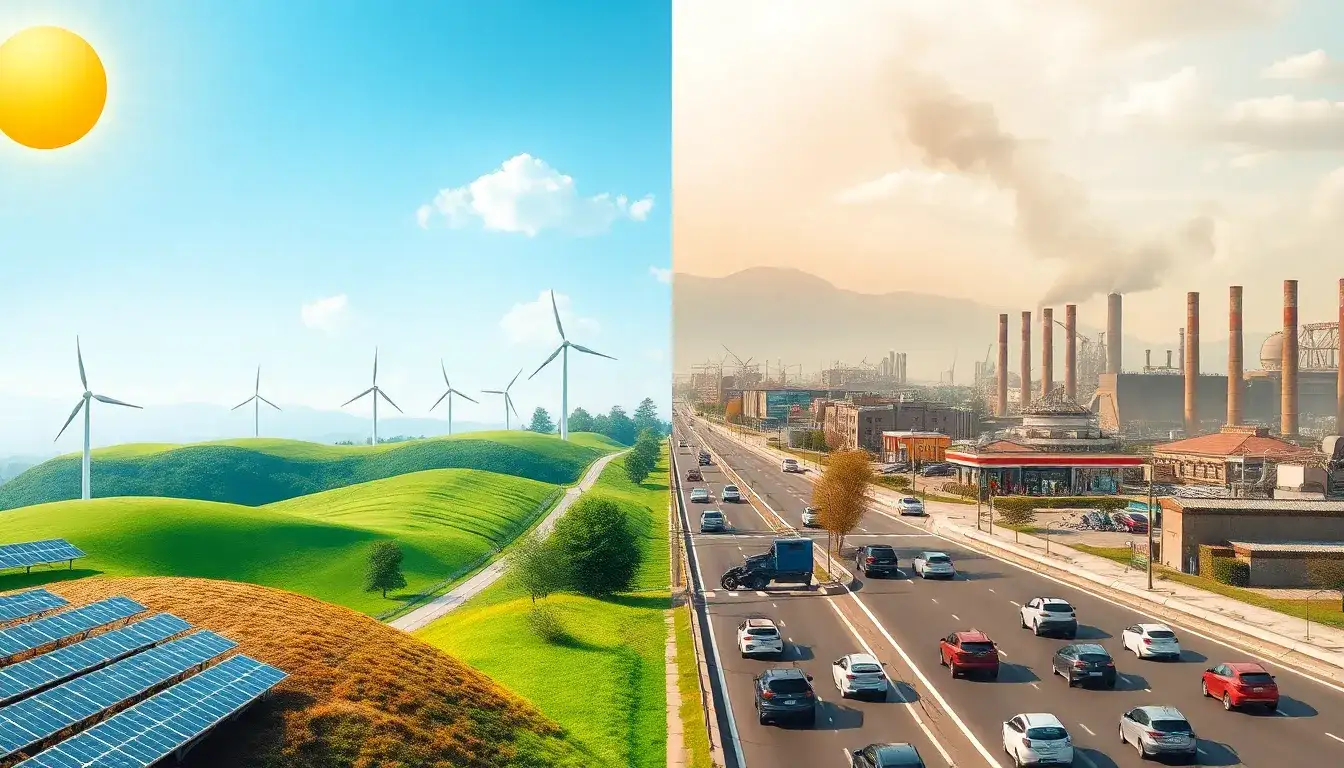
The emissions from electric vehicles (EVs) vary significantly based on the source of electricity used to charge them. Here’s how different electricity sources impact EV emissions:
Emissions Variation Based on Electricity Sources
- Renewable Energy: In regions where electricity is generated primarily from renewable sources like solar or wind, EVs and plug-in hybrid electric vehicles (PHEVs) typically have significantly lower life cycle emissions compared to conventional gasoline or diesel vehicles. For example, EVs charged in hydropower-heavy regions like Washington State can reduce carbon emissions by about 61% compared to hybrid vehicles.
- Fossil Fuels: In areas reliant on fossil fuels such as coal or natural gas for electricity generation, the life cycle emissions of EVs and PHEVs can be less advantageous. In extreme cases, like in coal-heavy regions such as West Virginia, EVs might produce more emissions than hybrid vehicles but still generally less than gasoline cars.
- Mixed Energy Grid: For regions using a mix of energy sources, the emissions benefits of EVs depend on the average carbon intensity of the local power grid. Even in these mixed scenarios, EVs often have a smaller carbon footprint than gasoline cars, partly due to their higher energy efficiency.
Factors Influencing the Overall Emissions Advantage
- Efficiency: EVs convert about 87%–91% of the electrical energy from the grid to power the wheels, compared to gasoline vehicles which convert only about 16%–25% of the energy in gasoline.
- Life Cycle Considerations: The upstream emissions from electricity production (well-to-wheel) and vehicle production contribute to the overall life cycle emissions of EVs. However, the environmental benefits of EVs are enhanced as the electricity sector shifts towards cleaner energy sources.
In summary, while electric vehicles have zero tailpipe emissions, their total life cycle emissions can vary based on how the electricity used for charging is generated. Generally, they offer a significant emissions advantage over conventional vehicles, especially when charged using renewable energy sources.
Original article by NenPower, If reposted, please credit the source: https://nenpower.com/blog/how-do-the-emissions-of-electric-vehicles-vary-with-different-electricity-sources/

