

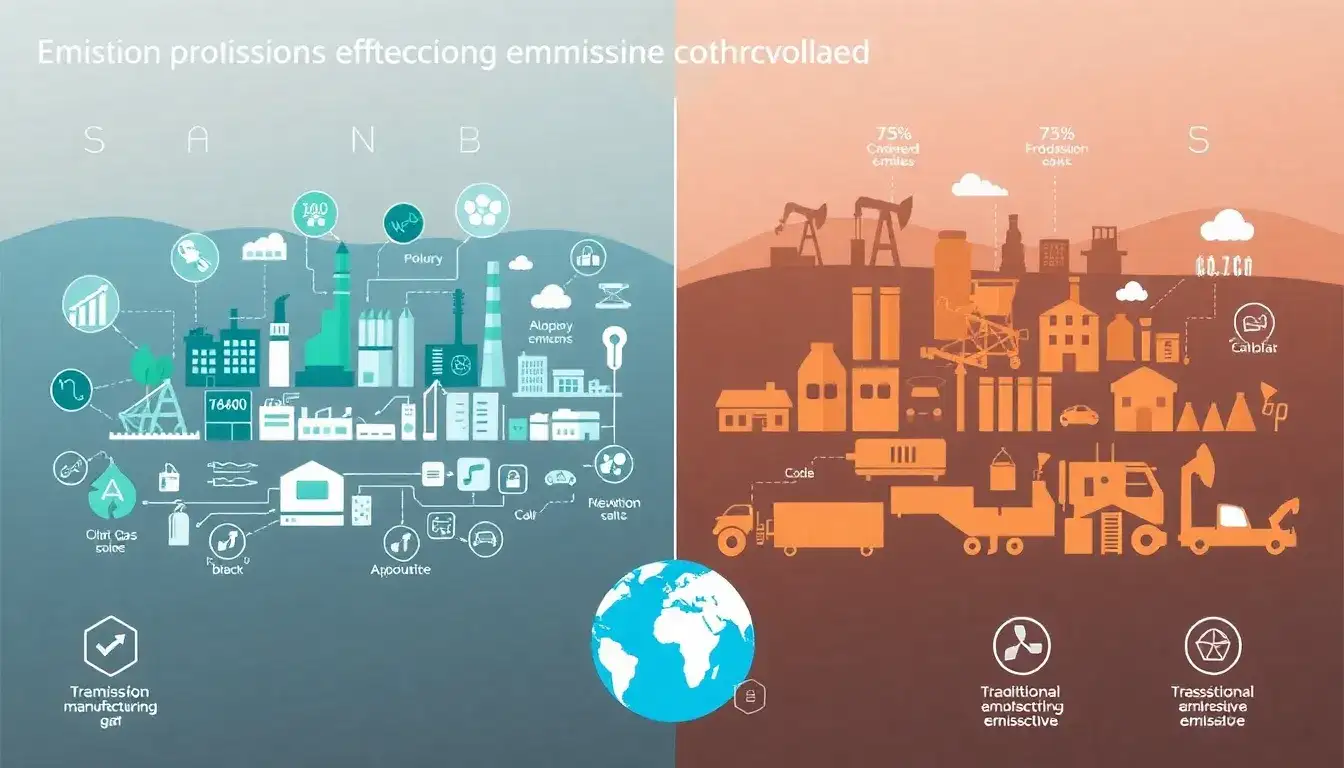
Emissions from electric vehicle (EV) battery production are significant and comparable to or even exceed those from other industries, largely due to the energy required for manufacturing and the extraction of raw materials like lithium, nickel, manganese, cobalt, and graphite. Here’s a comparison:
EV Battery Production vs. Other Industries
EV Battery Production
- Emissions Range: EV battery production emissions vary significantly but can range from about 56 to 494 kg CO2 per kilowatt-hour of battery capacity.
- Total Vehicle Emissions: The production of an entire EV, including battery, can emit more than 7 tons of CO2e emissions for a typical vehicle with a 75-kWh battery pack.
- Break-even Point: Vehicles must be used for several years to offset initial production emissions, with almost 4 tons of CO2 released during the production of a single EV.
Comparison to Other Industries
- Internal Combustion Engine (ICE) Vehicles: EVs have roughly double the production footprint compared to ICE vehicles. While ICE vehicles have higher operational emissions, EVs have a larger upfront carbon footprint.
- General Manufacturing: Many manufacturing processes involve energy-intensive operations, but EV battery production stands out due to specific high-energy processes and raw material extraction.
- Renewable Energy Systems: While renewable energy systems like wind turbines or solar panels require production energy, their long-term operational emissions are much lower, as they generate electricity without substantial ongoing emissions.
Key Factors Influencing Emissions
- Raw Materials Extraction: The mining and processing of materials used in EV batteries contribute significantly to emissions.
- Energy Sources: The source of energy used during production (fossil fuels vs. renewables) can vastly impact overall emissions. Renewable energy can reduce the carbon footprint of battery production considerably.
In summary, while EVs offer zero tailpipe emissions during operation, their battery production has a substantial carbon footprint. However, as technology and energy sources evolve, the overall life-cycle emissions of EVs can become more favorable compared to other industries and traditional vehicles.
Original article by NenPower, If reposted, please credit the source: https://nenpower.com/blog/how-do-the-emissions-from-ev-battery-production-compare-to-those-from-other-industries/

