

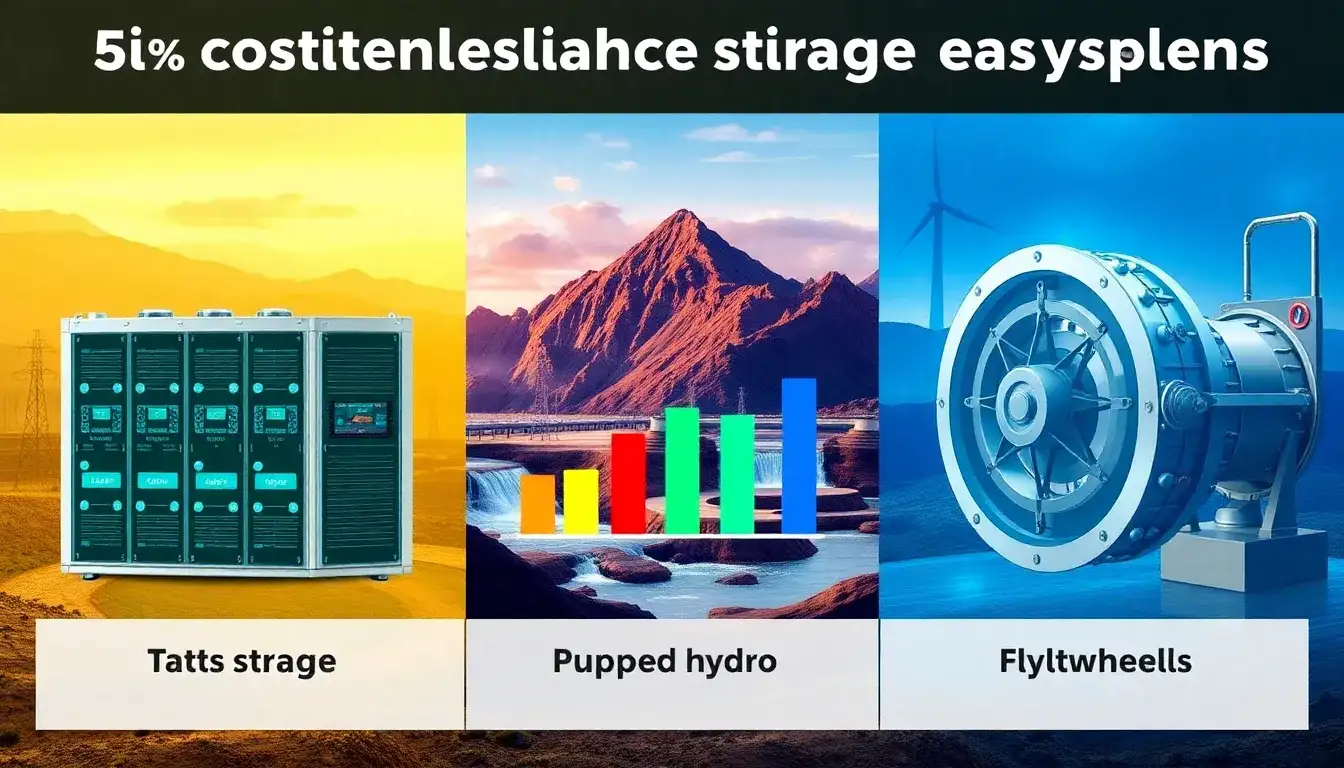
The costs of battery storage systems
Particularly lithium-ion batteries, are often compared to other energy storage technologies like pumped hydro or flywheels. Here’s a breakdown of how these technologies compare in terms of cost:
Overview of Costs
-
Lithium-Ion Batteries:
- Utility-Scale: The capital cost for a 4-hour lithium-ion battery system is projected to be between $245/kWh and $403/kWh by 2030, with further reductions anticipated by 2050.
- Home Batteries: Professionally installed, grid-tied home batteries generally cost between $1,000 to $1,500 per kWh.
-
Pumped Hydro Storage (PHS):
- PHS is one of the most cost-effective forms of large-scale energy storage but requires specific geographical conditions.
- Although the initial investment for PHS is high, its long lifespan and low maintenance costs contribute to its economic viability over time.
- However, the cost per kWh for PHS is often not directly comparable to lithium-ion due to its massive scale and long duration capabilities.
-
Flywheel Energy Storage:
- Flywheels are cost-effective for short-term, high-power applications.
- They tend to be more expensive per kWh compared to lithium-ion batteries but offer high efficiency and rapid response times.
- The cost can vary widely based on the application, but they are generally less competitive with lithium-ion for longer duration storage.
-
Thermal Energy Storage:
- Thermal energy storage systems, such as molten salt, are used primarily for concentrated solar power plants.
- Costs for such systems can be significantly lower than lithium-ion batteries, especially for long-duration energy storage applications.
-
Compressed Air Energy Storage (CAES):
- CAES is another long-duration energy storage technology that can be cheaper than lithium-ion batteries for discharge durations over eight hours.
- Costs are generally lower in China due to widespread adoption and favorable policies.
Comparative Analysis
| Technology | Cost Range (per kWh) | Duration Capability | Primary Use Cases |
|---|---|---|---|
| Lithium-Ion | $245-$403 (utility), $1,000-$1,500 (home) | Short-medium term | Utility scale, home backup, EVs |
| Pumped Hydro | High upfront, low long-term | Long term | Large-scale grid stability |
| Flywheel | Expensive per kWh | Short term | High power, frequency regulation |
| Thermal Storage | Lower than lithium-ion | Long term | CSP plants, district heating |
| Compressed Air | $293/kWh | Long term | Long-duration grid stability |
In summary, while lithium-ion batteries are widespread and decreasing in cost, other technologies like thermal and compressed air storage offer competitive advantages in specific niches, particularly for long-duration energy storage. Pumped hydro remains the dominant large-scale storage technology due to its long lifespan and efficiency, despite high upfront costs. Flywheels excel in high-power, short-duration applications.
Original article by NenPower, If reposted, please credit the source: https://nenpower.com/blog/how-do-the-costs-of-battery-storage-systems-compare-to-other-energy-storage-technologies-like-pumped-hydro-or-flywheels/

