

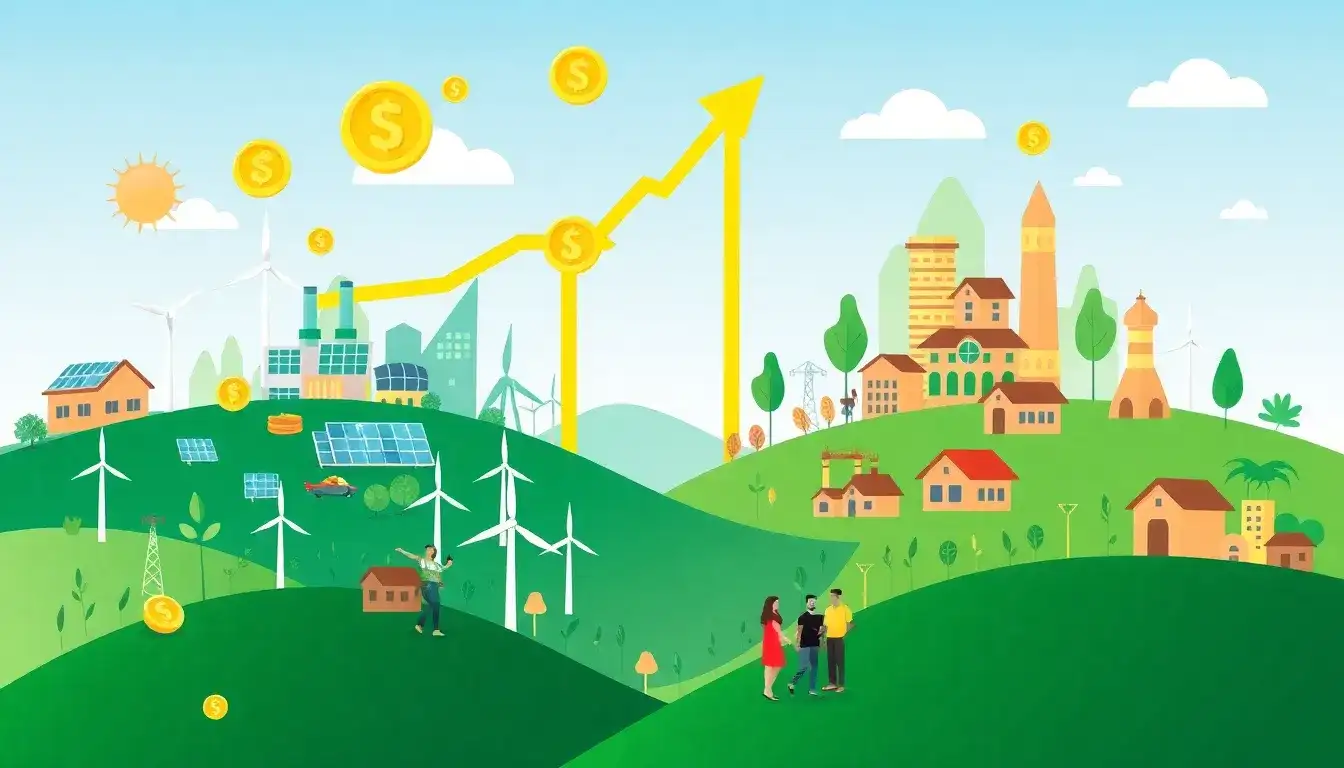
Bonus credits for domestic content and energy communities play a significant role in enhancing the financial viability of renewable energy projects. Here’s how these bonuses impact project viability:
Domestic Content Bonus Credit
How it Works
- Eligibility: Renewable energy projects like solar, wind, and battery storage can qualify for the domestic content bonus credit if they meet specific requirements. These include using steel, iron, or manufactured products produced in the United States.
- Benefits: This credit offers an additional 10% increase to the production tax credits (PTC) or up to a 10-percentage-point increase to the investment tax credits (ITC), depending on project specifics.
- Requirements:
- For structural steel and iron components, these must be produced in the U.S.
- For manufactured products, at least 40% of the total cost must be from components mined, produced, or manufactured in the U.S., with higher percentages required for projects beginning construction after 2024.
Impact on Project Viability
- Cost Savings and Increased Revenue: By providing a significant tax incentive, the domestic content bonus credit can reduce project costs and increase revenue, improving financial viability.
- Promotion of Domestic Industry: The credit supports domestic manufacturing, leading to more opportunities for U.S. suppliers and potentially reducing reliance on foreign components.
Energy Community Tax Credits
Overview
- The Energy Community Tax Credit often involves a separate set of incentives that support projects in areas with significant economic distress, such as those impacted by the decline of fossil fuels.
- While not explicitly defined, these credits generally aim to support communities transitioning to renewable energy sources.
Impact on Project Viability
- Economic Benefits: Energy community incentives can provide direct benefits to communities, enhancing the socio-economic viability of projects by supporting local economic development and job creation.
- Increased Project Appeal: By offering additional financial incentives, these credits can make projects more attractive to investors, thereby improving overall project viability.
In summary, both the domestic content bonus credit and energy community tax credits enhance project viability by offering financial incentives that reduce costs, increase revenue, and promote local economic development. These incentives are crucial for supporting the growth of renewable energy projects in the U.S. and fostering a robust domestic clean energy sector.
Original article by NenPower, If reposted, please credit the source: https://nenpower.com/blog/how-do-the-bonus-credits-for-domestic-content-and-energy-communities-affect-project-viability/

