

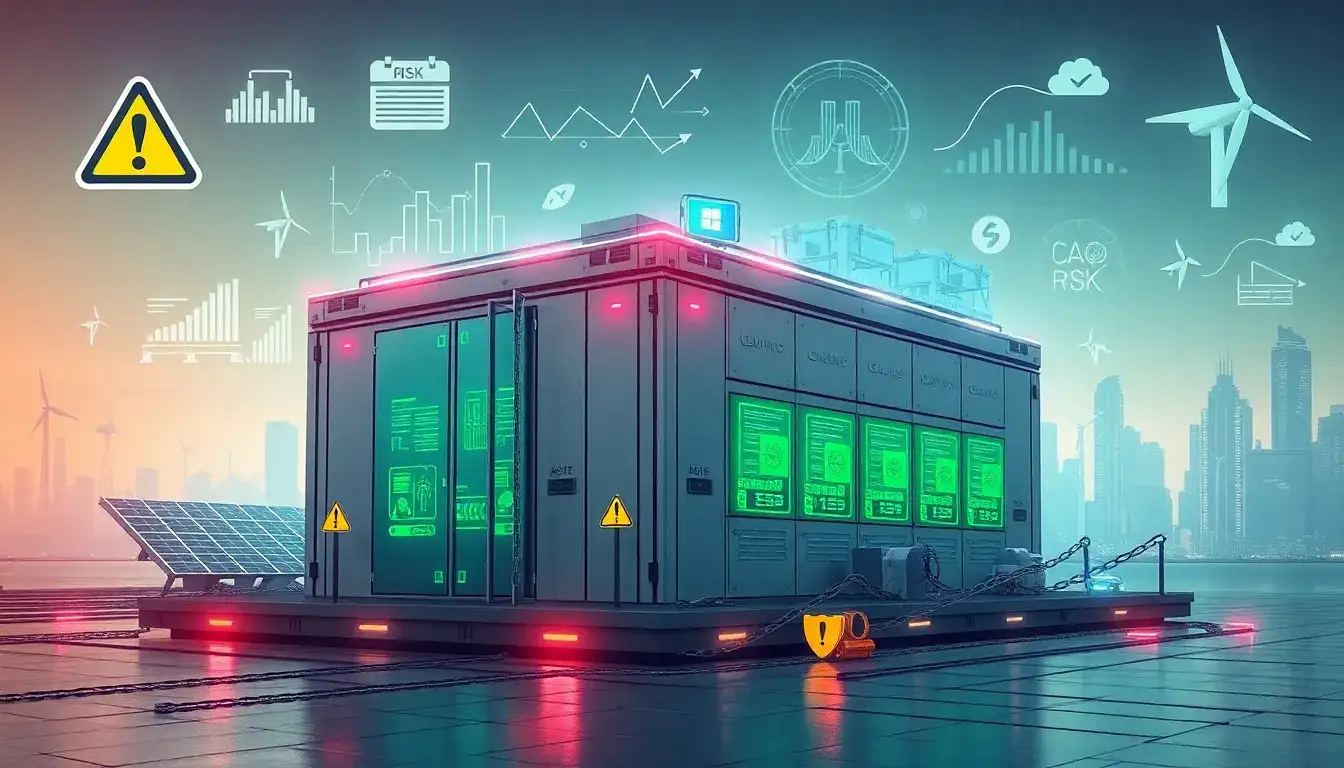
Technology risks significantly impact the financing of energy storage projects by increasing the perceived risk for lenders and investors. Here’s how technology risks affect financing:
Technology Risks in Energy Storage
- Lack of Historical Data: Newer energy storage technologies, such as hydrogen and advanced battery systems (beyond lithium-ion), have limited historical performance data. This lack of data makes it challenging for lenders to assess long-term reliability and safety, thereby increasing the risk perception of these projects.
- Risk Assessment and Due Diligence: To mitigate these risks, lenders rely heavily on independent engineer reports to evaluate technology risks, particularly focusing on capacity degradation and safety issues like overheating for lithium-ion batteries. The diligence process is comprehensive and includes assessing the project’s ability to meet minimum performance requirements under offtake agreements.
- Mitigation Strategies: Project companies often use performance guarantees and equipment warranties to mitigate technology risks. These guarantees shift risks from the project company to technology vendors, providing assurance to lenders about the reliability of the equipment.
Financial Implications of Technology Risks
- Increased Cost of Capital: The increased risk associated with newer technologies can lead to a higher cost of capital for energy storage projects. This is because lenders may demand higher returns to compensate for the perceived risks.
- Structuring Finance Deals: Given the risks, lenders may prefer fixed-price turnkey engineering, procurement, and construction (EPC) contracts to ensure that a single contractor assumes some of the construction risk. Additionally, lenders might require more reserves to cover potential cost increases or delivery delays.
- Alternative Financing Models: The high perceived risk can also lead to the use of alternative financing models, such as blended financing, where public capital helps mitigate risks and attracts private investment. Outcome-based financing models can also incentivize better performance and more robust technology by tying repayment to specific outcomes, such as charge/discharge cycles.
Policy Developments
- Tax Credits and Incentives: Recent policy changes, such as the Inflation Reduction Act (IRA) in the U.S., offer tax credits for standalone energy storage systems, which can underpin bridge capital for such projects. This can reduce financial risks and enhance attractiveness to lenders.
In summary, while technology risks pose significant challenges for the financing of energy storage projects, innovative financial models and policy supports can help mitigate these risks and facilitate growth in the sector.
Original article by NenPower, If reposted, please credit the source: https://nenpower.com/blog/how-do-technology-risks-impact-the-financing-of-energy-storage-projects/

