

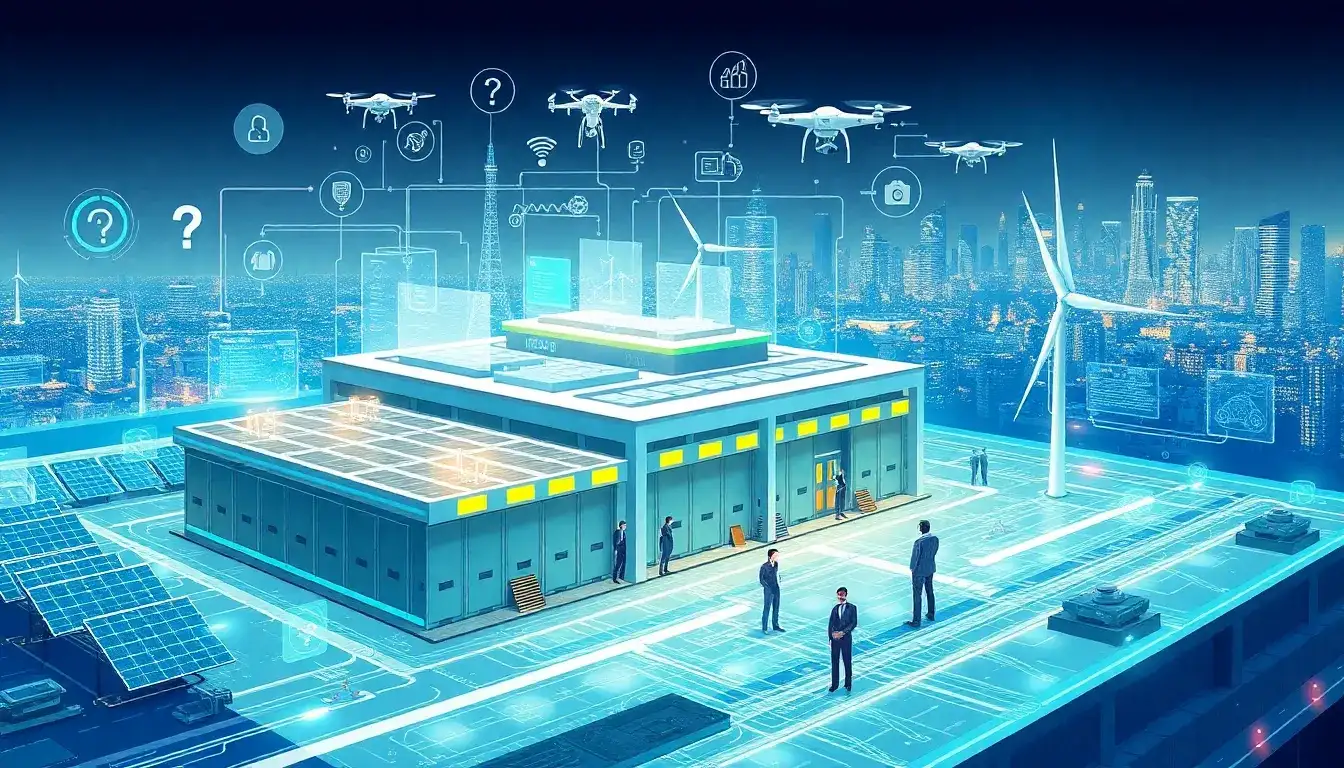
Technological advancements in energy storage can complicate the permitting process for several reasons:
Complexity and Novelty
- Unfamiliar Technologies: As new energy storage technologies such as hydrogen, iron-air, zinc, or advanced battery chemistries emerge, they may not fit neatly into existing regulatory frameworks. This novelty often requires updates to permitting guidelines, which can delay and complicate the process.
- Integration with Smart Systems: The incorporation of smart technologies and IoT connectivity into energy storage systems adds complexity. These systems often require additional permissions and compliance with broader cybersecurity and data privacy regulations.
Interconnection and Grid Impact
- Virtual Power Plants (VPPs): VPPs integrate multiple small-scale energy sources and storage units, requiring coordinated permitting across different jurisdictions and regulatory bodies. This can be more challenging than traditional, centralized power plants.
- Grid Stability and Ancillary Services: As energy storage projects increasingly provide grid stability services, they must meet various grid reliability standards, which can complicate the permitting process.
Financial and Environmental Considerations
- Economic Incentives and Policies: New policies like the Inflation Reduction Act offer incentives for certain technologies, which can attract more projects but also create complexity in terms of eligibility and documentation.
- Environmental Assessments: New technologies may require novel environmental impact assessments, which can lengthen the permitting timeline as both the environmental effects and mitigation strategies are studied and approved.
Regulatory Frameworks
- Adaptation of Regulations: Regulatory bodies must adapt existing frameworks to accommodate emerging technologies. This can lead to a lag between technological advancements and legal permissions, complicating project timelines.
- Federal and State Coordination: In the U.S., initiatives like the Energy Storage Technology Advancement Partnership (ESTAP) aim to streamline federal-state coordination but also highlight the complexity of aligning different regulatory levels.
In summary, technological advancements in energy storage introduce new variables that complicate the permitting process by requiring novel regulatory frameworks, complex system integration, and consideration of various economic and environmental factors.
Original article by NenPower, If reposted, please credit the source: https://nenpower.com/blog/how-do-technological-advancements-complicate-the-permitting-process-for-energy-storage-projects/

