

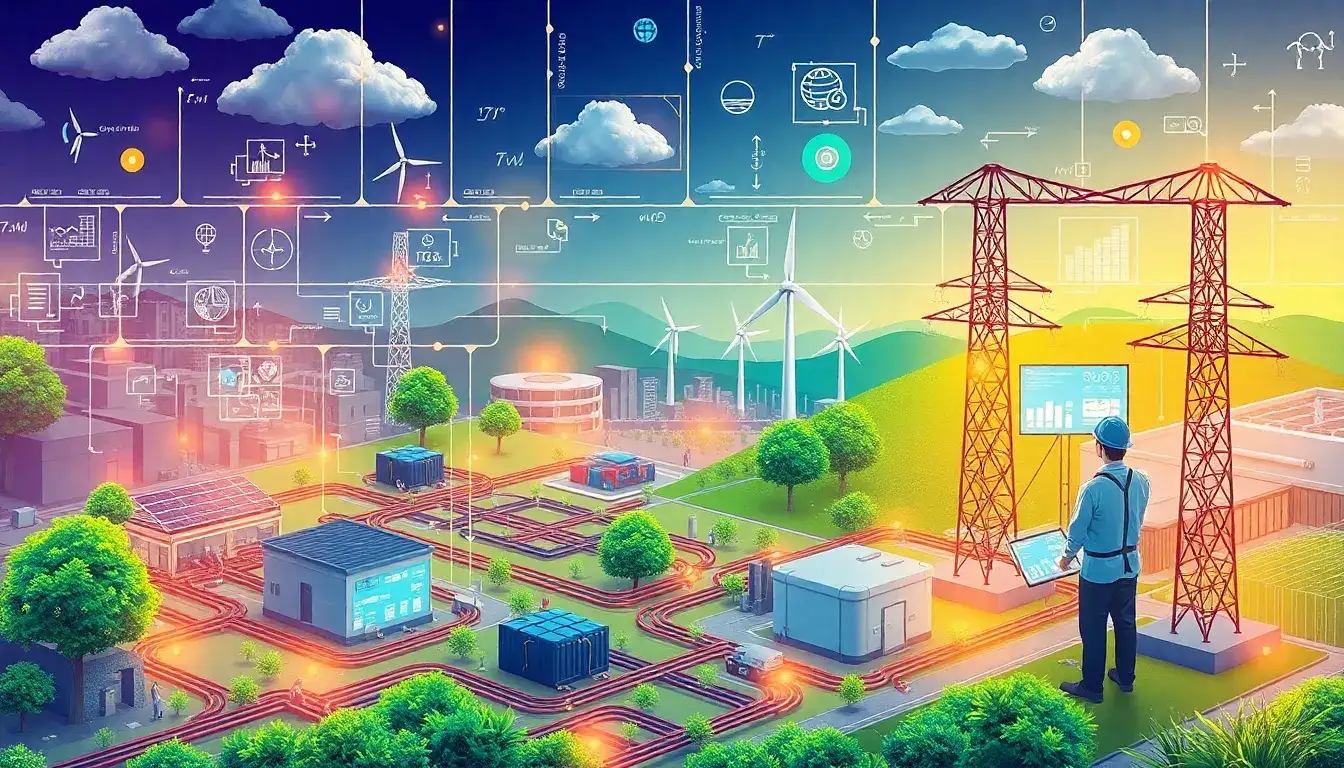
Technical complexities play a significant role in the deployment of microgrids, affecting their efficiency, cost, and overall performance. Here are some ways in which technical complexities impact microgrid deployment:
Technical Challenges
- Complex Planning and Design:
- Load Analysis and Generation Matching: Microgrids require careful assessment of load profiles and generation capacities to ensure that energy supply matches demand.
- Component Integration: The integration of various components like generators, energy storage systems, and control systems demands expertise in electrical engineering and grid integration.
- Protection Coordination:
- Fault Protection: Implementing microgrids on existing distribution systems can disrupt traditional protection coordination, requiring specialized analysis to ensure that faults are handled correctly without de-energizing the entire feeder.
- Grid Interconnection:
- Islanding and Grid Tie: The transition between grid-tied and island modes poses technical challenges, such as managing inrush currents and maintaining system stability during startup and isolation.
- Regulatory and Interconnection Hurdles: Integrating microgrids with the main power grid often involves complex regulatory requirements and lengthy interconnection processes.
- Energy Management Complexity:
- Balance and Control: Maintaining balance between generation and load in real-time is crucial for system stability. This involves sophisticated control systems and algorithms to optimize energy management.
- Dynamic Load Fluctuations: Handling sudden changes in load or generation requires advanced control strategies to ensure reliability and efficiency.
- Scalability and Flexibility:
- System Expansion: Adding new generation sources or loads to an existing microgrid can be challenging and may require significant system redesigns.
Impact on Deployment
- Cost Implications: Technical complexities increase the upfront costs and operational expenses associated with microgrids, affecting their economic feasibility for many potential users.
- Skill and Resource Demands: Communities or organizations often lack the necessary technical expertise or financial resources to handle these complexities, necessitating external assistance.
- Regulatory Challenges: Evolving regulatory frameworks create uncertainty and challenges for microgrid deployments, particularly regarding ownership and interconnection processes.
Despite these challenges, microgrids offer advantages like increased reliability and integration of renewable energy sources. Careful planning and collaboration with experienced professionals are essential to mitigate these technical complexities and maximize the benefits of microgrids.
Original article by NenPower, If reposted, please credit the source: https://nenpower.com/blog/how-do-technical-complexities-impact-the-deployment-of-microgrids/

