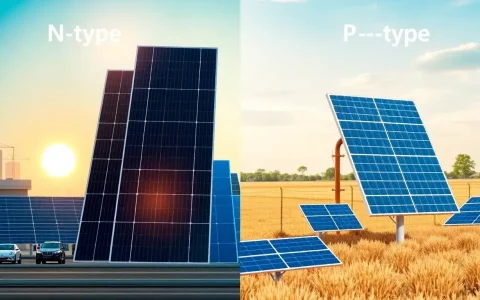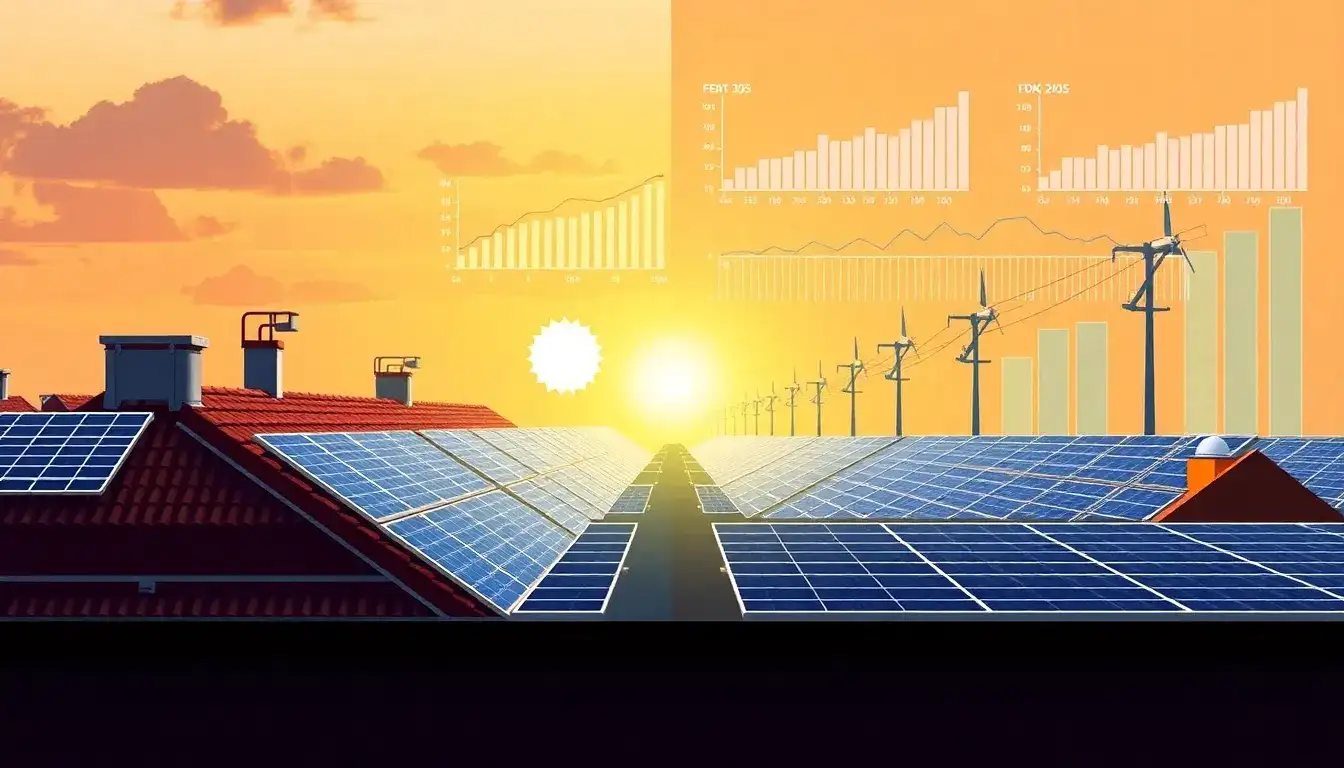
Tariffs on bifacial solar panels, recently reinstated by the U.S. government, increase the cost of imported bifacial modules by approximately $0.015 to $0.0375 per watt. Given that bifacial solar panels generally cost between $0.10 and $0.25 per watt, this adds roughly a 6%-15% increase to the panel cost itself. Since bifacial panels represent about 98% of solar panels imported for commercial, industrial, and utility-scale projects in the U.S., this tariff translates into a rise in overall system prices by around 1-2%, with typical total installation costs ranging from $1.50 to $2.75 per watt.
Long-term, the effect of tariffs on the total cost of bifacial solar systems depends on several factors:
- System Cost Impact: The tariff increases module costs, modestly raising total system costs, but bifacial panels remain attractive due to their higher efficiency, which can be around 20% better than conventional monofacial panels. This improved energy yield can offset higher upfront costs over the system’s lifetime.
- Market Dynamics: The tariff removal of the previous exemption aims to protect U.S. domestic manufacturing by discouraging imports, potentially encouraging local production and innovation. However, tariffs increase near-term capital expenditures for developers relying on imported bifacial panels, which may slow deployment or increase financing costs.
- Long-Term Economic Effect: While tariffs immediately raise hardware costs, the energy production gains from bifacial technology help maintain competitiveness by lowering levelized cost of electricity (LCOE) over time. Developers may absorb or pass on the modest price increase, but sustained tariffs could incentivize shifts toward domestic manufacturing or alternative technologies.
In summary, tariffs on bifacial solar panels induce a relatively small increase in upfront system costs (about 1-2%), but due to the panels’ enhanced efficiency and energy output, the long-term cost of energy from bifacial systems remains competitive. The tariffs create economic pressure to either raise prices for end users or stimulate domestic manufacturing growth to counterbalance import costs.
Original article by NenPower, If reposted, please credit the source: https://nenpower.com/blog/how-do-tariffs-on-solar-panels-affect-the-long-term-cost-of-bifacial-systems/