

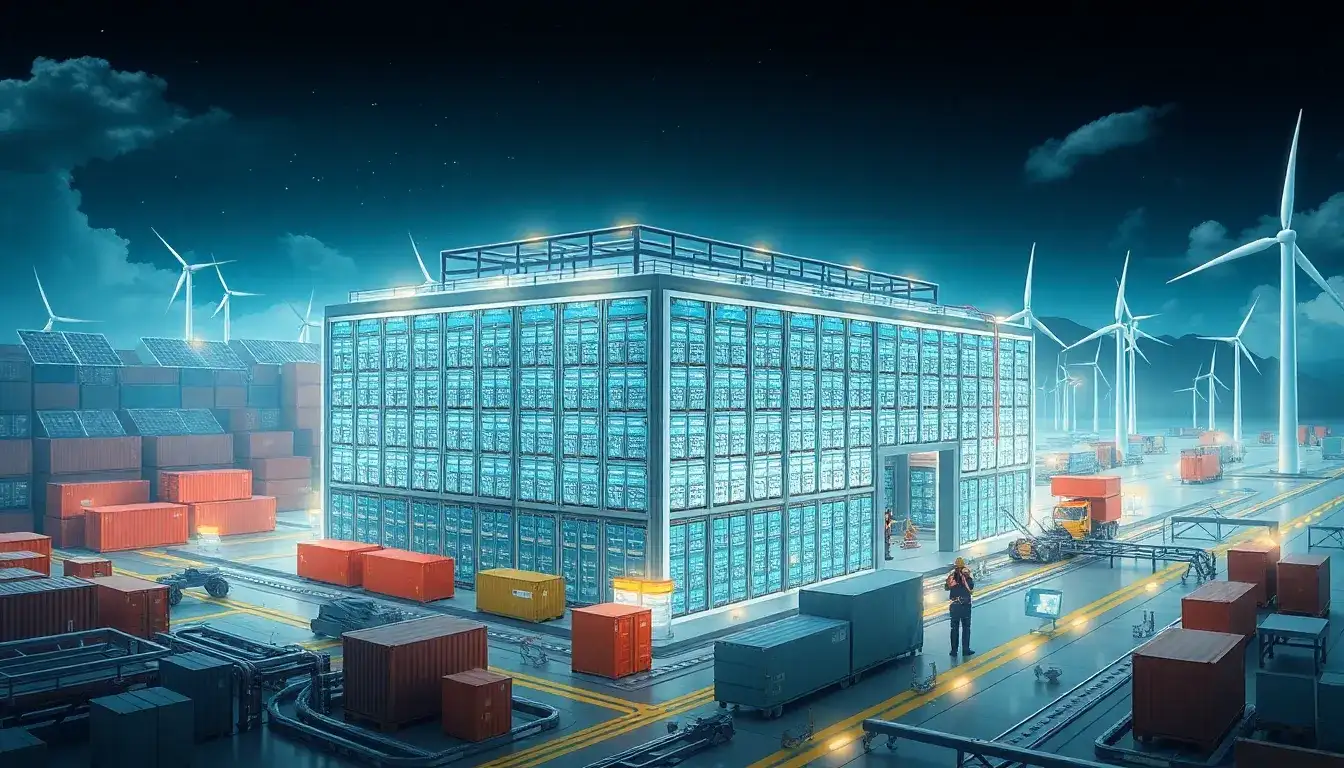
Supply chain issues significantly impact the deployment of long-duration energy storage (LDES) systems in several ways, affecting cost, technology scale-up, and project timelines.
Impact of Supply Chain Issues on Long-Duration Energy Storage Deployment
1. Increased Costs and Economic Viability Challenges
Supply chain disruptions drive up costs of key components used in LDES technologies, such as batteries and raw materials. This escalating cost pressure makes it more difficult for newer, alternative long-duration storage technologies to compete with established lithium-ion systems, which currently benefit from persistent price reductions due to economies of scale and mature supply chains. The increased capital expenditure (capex) required due to supply chain constraints can slow down project financing and delay commercial viability.
2. Technology and Material Availability Constraints
Many LDES options rely on materials that may be scarce or subject to geopolitical trade restrictions, leading to supply shortages and delivery delays. This can stall manufacturing and installation schedules, particularly for emerging technologies like flow batteries or gravity-based storage solutions, which may have less developed supply chains compared to lithium-ion batteries.
3. Scaling Challenges and Market Adoption
Supply chain bottlenecks limit the ability to scale LDES projects at the pace required to support decarbonized grids with high shares of intermittent renewable energy. Delays in procuring necessary components can postpone large-scale deployments, which are crucial for achieving multi-day storage durations needed to replace fossil fuel flexibility.
4. Impact on Grid Reliability and Energy Transition Goals
Persistent supply chain issues may hinder the timely deployment of LDES systems that are vital for grid stability as renewable penetration increases. Without adequate long-duration flexibility, grids may struggle to balance supply and demand during periods of low renewable generation, impeding clean energy transition objectives.
5. Necessity for Strategic Partnerships and Procurement Approaches
To mitigate supply risks, companies are increasingly forming strategic partnerships and pursuing long-duration procurement contracts to secure supply and scale manufacturing, which can help stabilize supply chains and reduce costs over time.
In summary, supply chain issues raise costs, delay deployment, restrict scaling, and challenge the economic competitiveness of long-duration energy storage technologies, all of which slow progress toward integrating large amounts of renewable energy on the grid. Overcoming these supply chain challenges is essential for realizing the full potential of LDES to enable a decarbonized, flexible energy system.
Original article by NenPower, If reposted, please credit the source: https://nenpower.com/blog/how-do-supply-chain-issues-affect-the-deployment-of-long-duration-energy-storage-systems/

