

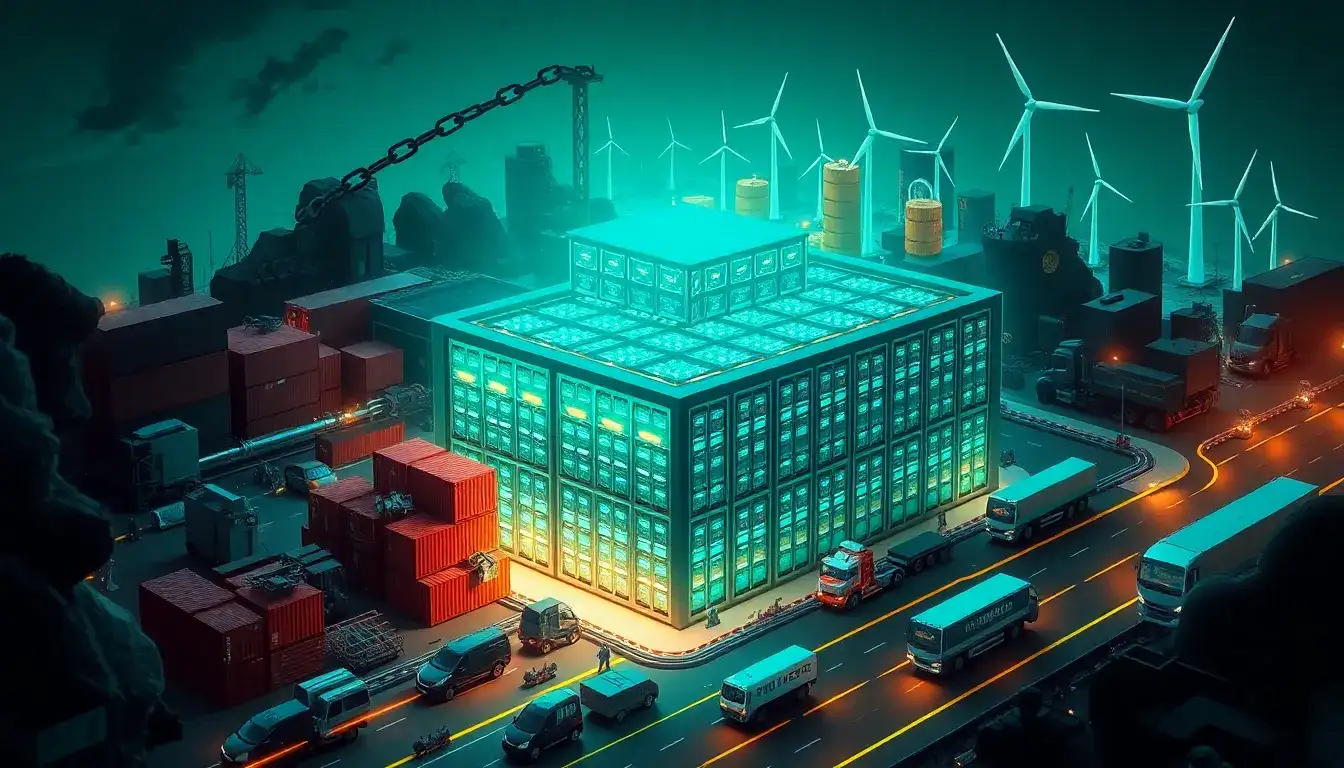
Supply chain issues significantly influence both the cost and availability of energy storage solutions, particularly battery energy storage systems (BESS), which are critical for the transition to clean energy.
Impact on Cost
- Oversupply and Price Pressure: In the recent market, especially in 2023-2024, battery manufacturing capacity—driven heavily by China’s rapid investment—has surpassed short-term demand. This overproduction has placed downward pressure on battery prices, benefiting project developers by reducing procurement costs but squeezing manufacturers’ margins due to intense price competition.
- Cost Optimization Strategies: Centralized supply chain management models can help mitigate high costs by consolidating procurement and leveraging bulk purchases, leading to economies of scale. This approach reduces per-unit component costs and eliminates redundant processes, thereby lowering operational costs associated with energy storage projects.
- Material and Technology Variability: Different chemistries and emerging storage technologies can result in varied supply chain resilience. Nascent technologies often lack mature supply chains, which can increase costs due to limited availability of raw materials and components. Developing supply chains for alternative technologies like flow batteries or compressed air energy storage could diversify options and potentially reduce costs linked to lithium battery bottlenecks.
Impact on Availability
- Pressure on Supply Chains from Rapid Growth Targets: There is a global target to increase electricity storage capacity sixfold from 230 GW in 2022 to 1,500 GW by 2030. Despite BESS being a fast-growing technology, the unprecedented pressure on supply chains raises concerns about whether these targets are achievable given current constraints.
- Supply Chain Complexity and Vulnerabilities: Managing the battery energy storage supply chain involves multiple challenges with no simple fixes. Issues include securing raw materials, manufacturing bottlenecks, and logistical constraints, all of which can delay project timelines and limit the availability of energy storage solutions.
- Lack of Established Supply Chains for Emerging Technologies: Many promising long-duration storage technologies rely on materials that are abundant but lack established supply chains. This immaturity makes their deployment slower and less reliable, further impacting the availability of diverse energy storage solutions needed for grid resilience.
Summary
Supply chain issues affect energy storage solutions by introducing volatility in both cost and availability. While battery oversupply has recently driven prices down, intense competition and supply chain pressures threaten manufacturers and could disrupt supply networks. The complexity and immaturity of supply chains for new storage technologies add to availability challenges. Centralized supply chain management and the development of diverse storage technologies’ supply chains are critical to overcoming these hurdles and meeting ambitious future energy storage targets.
Original article by NenPower, If reposted, please credit the source: https://nenpower.com/blog/how-do-supply-chain-issues-affect-the-cost-and-availability-of-energy-storage-solutions/

