

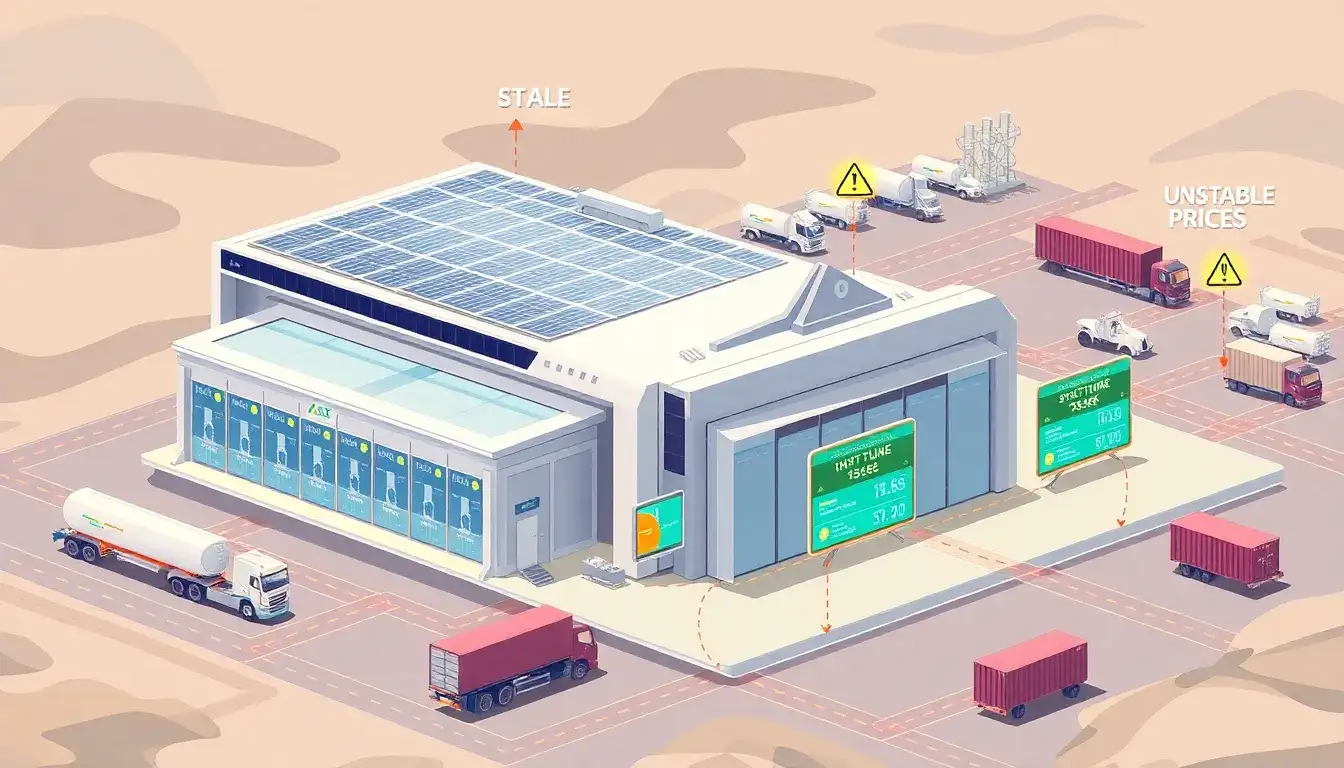
Supply chain integrity issues significantly impact the pricing of energy storage systems, particularly battery energy storage systems (BESS), through various mechanisms:
1. Tariffs and Trade Restrictions Increase Costs
Tariffs, especially on battery components originating from China, impose direct cost increases on energy storage system procurement. For example, U.S. tariffs pursuant to Section 301 of the Trade Act of 1974 on Chinese-origin lithium-ion EV batteries and non-lithium-ion battery parts increased to 25% in September 2024. Similar tariffs on Chinese-origin lithium-ion non-EV batteries are set to rise to 25% by January 1, 2026. These tariffs raise the overall cost of imported battery components, thereby increasing the final price of energy storage systems.
2. Supply Chain Complexity and Traceability Requirements
The supply chain for battery cells involves multiple upstream suppliers for various key inputs, making it complex to manage. This complexity can lead to challenges in meeting traceability and ethical sourcing requirements, such as those related to forced labor evaluations by customs authorities. Companies must invest in comprehensive supply chain audits and documentation processes to comply with regulatory demands. Failure to do so can result in delays, seizures, or import bans, all of which elevate project costs and risk.
3. Risk Mitigation and Contractual Strategies Add Costs
Due to uncertainties in supply chain integrity, developers and utilities tend to adopt risk-mitigating procurement strategies, such as master supply agreements (MSAs) and capacity reservation agreements (CRAs) that secure pricing and supply commitments upfront. While these strategies help stabilize costs and ensure supply, they often come at premiums that raise the upfront capital expenditure for energy storage projects.
4. Delays and Longer Timelines Impact Pricing
Supply chain integrity issues can extend permitting timelines and engineering, procurement, and construction (EPC) schedules. Delays in receiving key battery components may force project schedule extensions, increasing financing costs and potential penalties. These delays can cumulatively increase the overall cost of energy storage systems.
5. Need for Multiple Trusted Suppliers
Increasing the number of trusted suppliers is necessary to reduce supply chain risks and ensure steady production of stationary Li-ion battery systems. However, diversifying suppliers or qualifying new suppliers often requires additional qualification, testing, and relationship-building costs, which are passed on to the final pricing of energy storage systems.
Summary
Supply chain integrity issues raise the pricing of energy storage systems by increasing costs through tariffs, regulatory compliance burdens, complex procurement needs, schedule delays, and the necessity for diversified trusted suppliers. These factors lead to higher upfront capital costs, risk premiums, and potential operational uncertainties that ultimately affect the economic viability and pricing structure of energy storage projects.
Original article by NenPower, If reposted, please credit the source: https://nenpower.com/blog/how-do-supply-chain-integrity-issues-affect-the-pricing-of-energy-storage-systems/

