

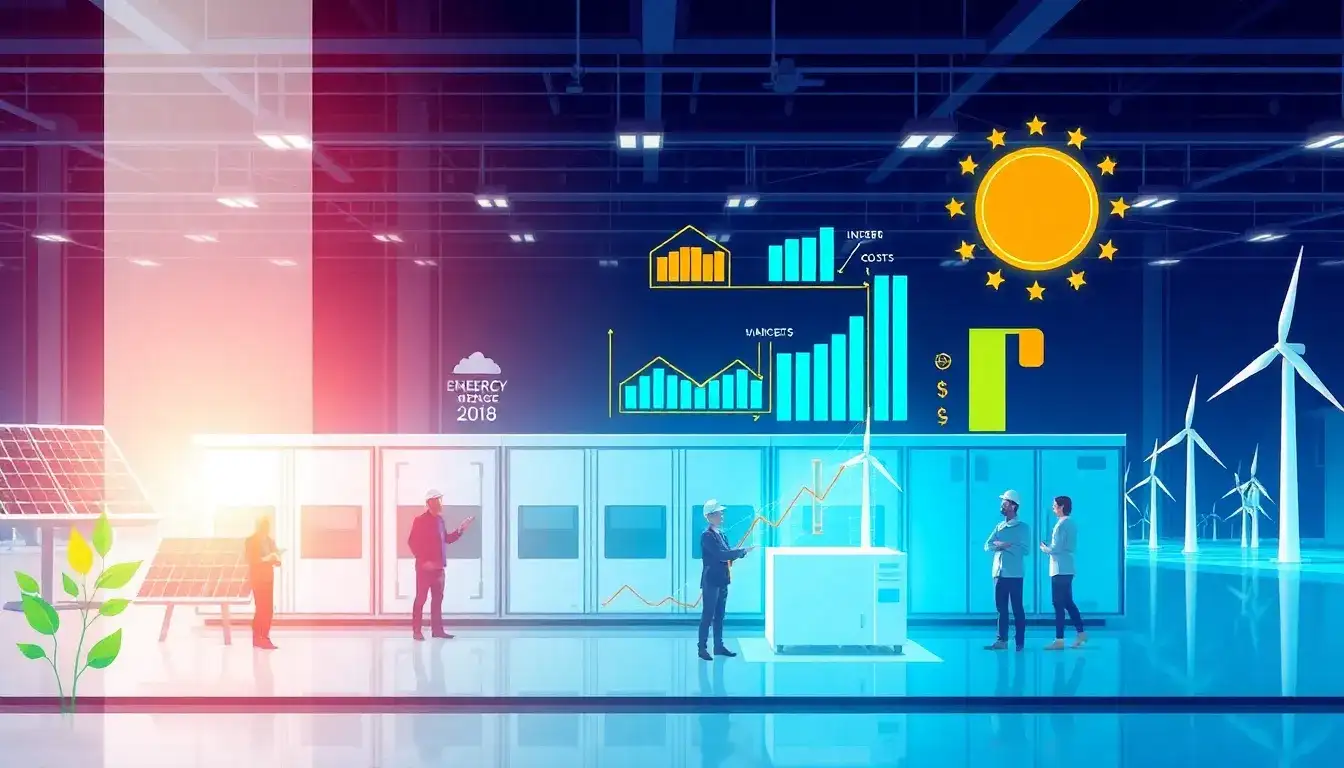
Subsidies improve the cost-effectiveness of long-duration energy storage (LDES) technologies by reducing upfront capital expenditures, which are critical given the high initial costs associated with these systems. For instance, subsidies covering investment costs for electricity storage systems, grid connections, and equipment testing directly lower deployment barriers, making projects financially viable. This is particularly impactful for emerging technologies like gravity-based storage (e.g., Energy Vault’s systems) or flow batteries, which face steep technical and financial hurdles despite their potential to provide 10–160 hours of storage duration.
The U.S. Department of Energy estimates that LDES could save $10–$20 billion in grid decarbonization costs by 2060, but achieving this requires $330 billion in investment. Subsidies bridge this gap by de-risking projects and accelerating adoption, enabling technologies to scale and reduce costs through manufacturing and operational efficiencies. For example, policies like carbon pricing paired with subsidies incentivize industrial users to adopt LDES, further driving down lifecycle costs through market mechanisms.
In markets like Spain, LDES deployment is projected to save €1 billion in system costs by 2060, underscoring how subsidies can catalyze adoption while ensuring grid reliability in renewable-heavy systems. Without subsidies, the current market structures—which inadequately compensate storage beyond four hours—would likely stifle LDES development, leaving lithium-ion batteries (despite their improving 4–8 hour durations) insufficient for full decarbonization.
Key mechanisms of subsidy impact:
– Lowering Capex: Direct grants or tax credits reduce initial costs for storage hardware, infrastructure, and grid integration.
– Market alignment: Subsidies offset revenue gaps in electricity markets that fail to value long-duration flexibility.
– Technology scale-up: Support accelerates commercialization, driving down costs through production scaling and innovation.
Original article by NenPower, If reposted, please credit the source: https://nenpower.com/blog/how-do-subsidies-specifically-impact-the-cost-effectiveness-of-long-duration-energy-storage-technologies/

