

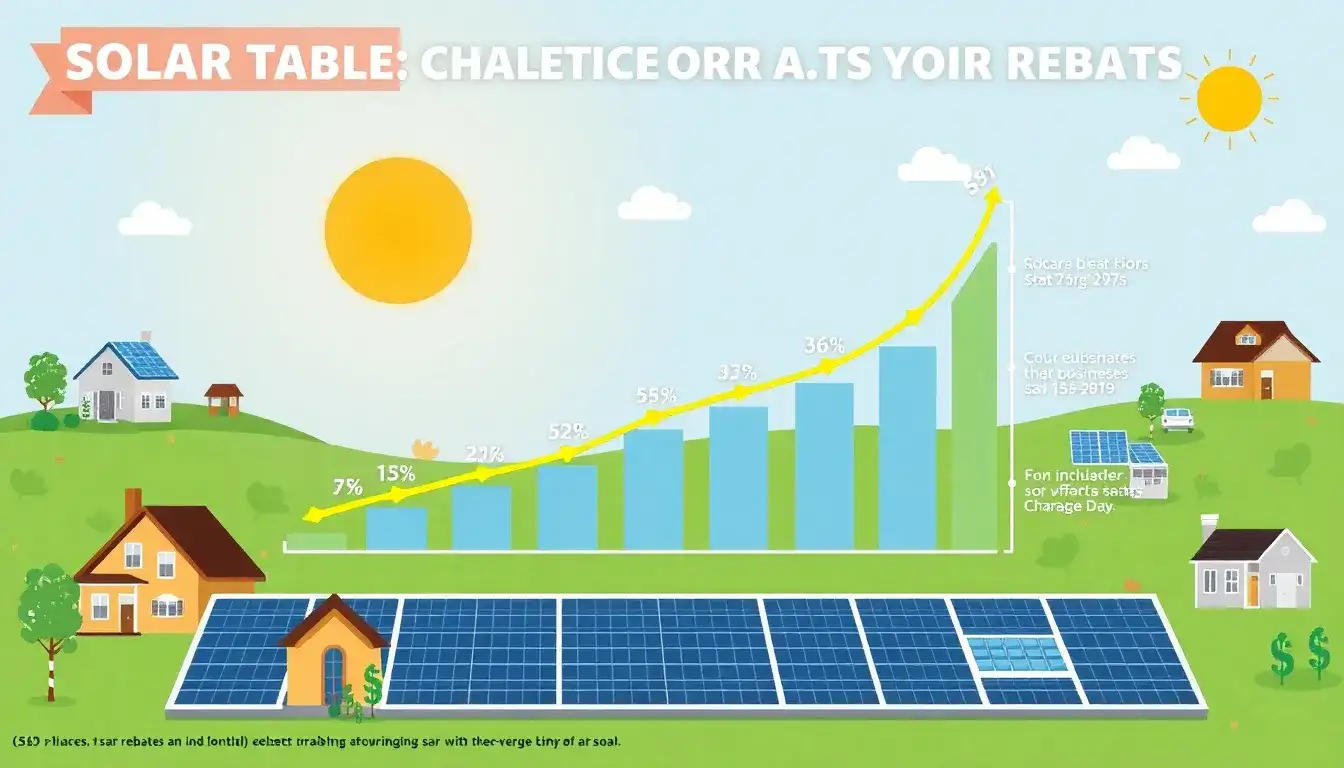
State-specific rebates play a crucial role in enhancing the financial viability of solar installations by reducing the upfront costs and increasing the return on investment (ROI) for both residential and commercial projects. Here are some key ways state rebates influence the financial viability of solar installations:
Influence of State Rebates
- Reduction in Initial Costs: State rebates, often provided in the form of cash incentives per watt installed, significantly lower the initial investment required for solar panel installation. This reduction in upfront costs makes solar energy more accessible to homeowners and businesses.
- Enhanced ROI: By reducing the initial costs, state rebates can improve the financial returns of solar installations. Homeowners and businesses can generate more savings from the energy produced, improving the net present value (NPV) of their investment.
- Combination with Federal Incentives: State rebates can be combined with federal incentives, such as the Investment Tax Credit (ITC), to maximize savings. This layered approach can make solar installations even more financially attractive by reducing costs further.
- Performance-Based Incentives (PBIs): Some states offer PBIs, which provide ongoing payments based on the actual electricity produced by the solar system. These incentives ensure that the solar system operates efficiently and continues to generate revenue over time.
- Impact on Market Growth: Strong state rebate programs can drive market growth by encouraging more people to adopt solar technology. This increased demand can lead to economies of scale, further reducing the cost of solar energy systems over time.
Examples of Effective State Rebates
- California: Offers programs like the California Solar Initiative and robust net metering policies, making it a leader in solar adoption.
- New York: The NY-Sun program provides up-front rebates for solar installations, combined with state tax credits.
- Illinois: The Adjustable Block Program helps homeowners offset solar installation costs.
In summary, state-specific rebates are instrumental in making solar installations more financially viable by lowering upfront costs, enhancing returns, and driving market growth. These programs, when combined with federal incentives, can significantly boost the adoption of solar energy across various states.
Original article by NenPower, If reposted, please credit the source: https://nenpower.com/blog/how-do-state-specific-rebates-influence-the-financial-viability-of-solar-installations/

