

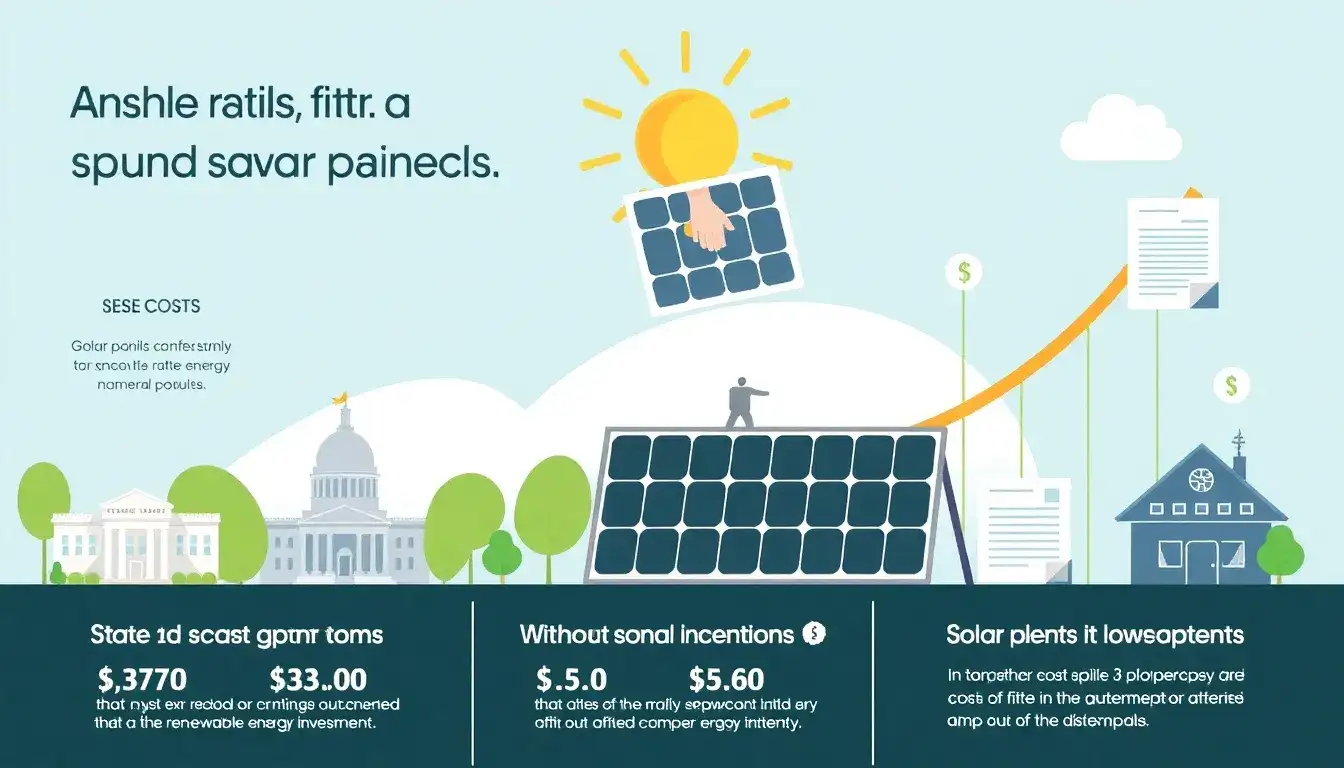
State and federal incentives significantly impact the cost of solar panels, making them more affordable and encouraging their adoption. Here’s how these incentives reduce costs and benefit homeowners:
Federal Incentives
- Federal Solar Tax Credit (ITC): Provides a 30% tax credit on the total cost of a solar system through 2032. For example, a $20,000 system costs $14,000 after the credit, saving homeowners up to $6,000.
- Impact and Benefits: The ITC is crucial for making solar installations more affordable and has driven the widespread adoption of solar energy. It encourages homeowners and businesses to invest in renewable energy by reducing the initial installation costs significantly.
State and Local Incentives
- State Tax Credits: Many states offer additional tax credits. For instance, New York offers a 25% state tax credit up to $5,000. These credits further reduce the cost of solar installations.
- Sales and Property Tax Exemptions: Some states exempt solar installations from sales or property taxes, lowering costs by reducing additional fees.
- Net Metering Policies: Allow homeowners to sell excess energy back to the grid, reducing utility bills and increasing savings over time.
- Performance-Based Incentives (PBIs): Some states offer ongoing payments based on the energy production of solar systems, enhancing profitability.
Overall Effect of Incentives
Combining federal, state, and local incentives can reduce solar panel costs by 30-60%. This substantial reduction makes solar energy more accessible and attractive to homeowners, leading to faster payback periods and significant long-term savings. For example, in states like New Jersey, incentives can reduce the cost of a 9.3 kW system from $42,275 to just $6,841 after all credits and rebates.
Original article by NenPower, If reposted, please credit the source: https://nenpower.com/blog/how-do-state-and-federal-incentives-affect-the-cost-of-solar-panels/

