

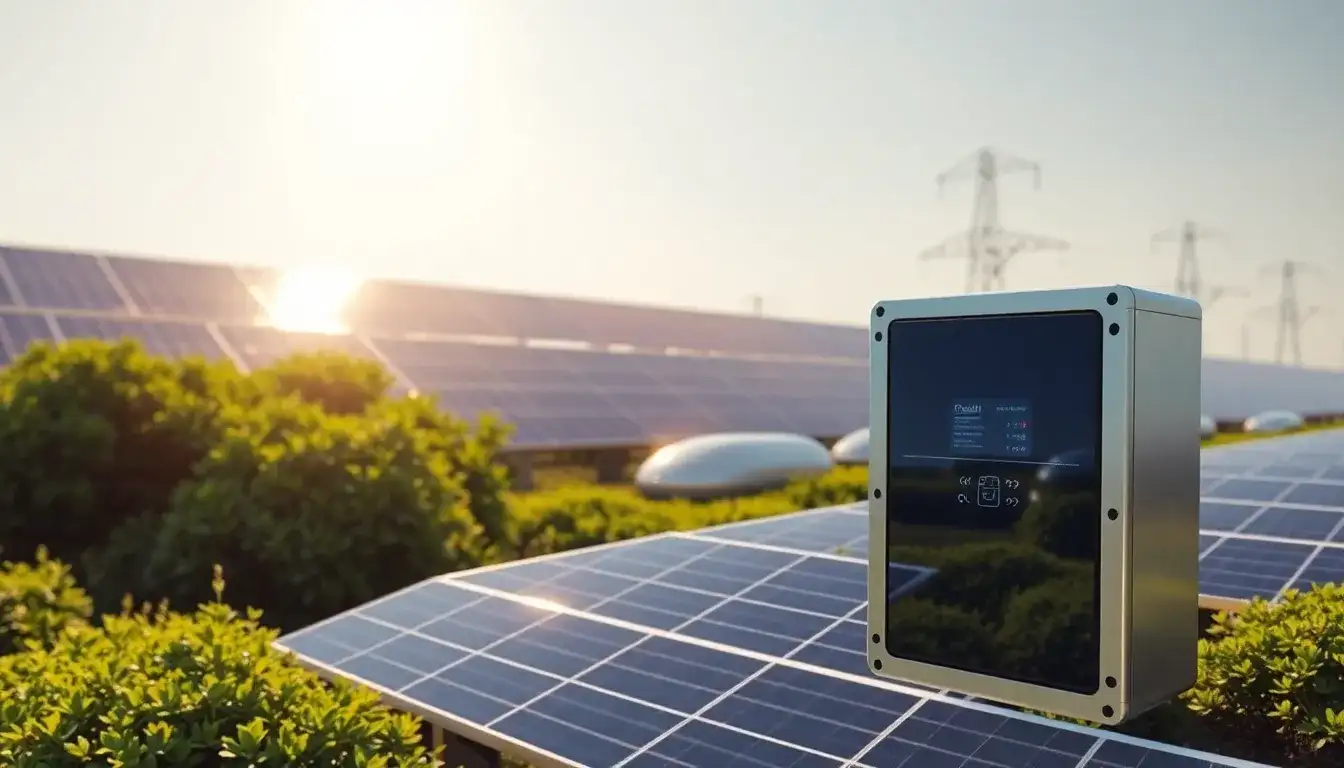
Solid-state batteries significantly impact the overall cost of solar energy systems by enhancing efficiency, durability, and reducing long-term expenses, thus making solar power more economically attractive.
Cost and Efficiency Benefits
- Lower Total Cost of Ownership: Although solid-state batteries have a higher upfront cost compared to traditional lithium-ion batteries, their longer lifespan and greater reliability reduce maintenance, replacement frequency, and operational costs over time, leading to a lower total cost of ownership (TCO).
- Improved Energy Density and Efficiency: These batteries offer higher energy density and efficiency, enabling more compact and effective solar energy storage. This means more energy can be stored and used efficiently, reducing energy waste and operational costs.
- Reduced Energy Bills: Innovations in solid-state and advanced lithium-ion batteries have cut storage costs by about 40%, extended battery life beyond 15 years, and increased storage capacity up to three times that of traditional systems. This allows homeowners to rely more on solar power around the clock, significantly lowering electric bills—often by 60-80% compared to grid power.
Longevity and Environmental Impact
- Longer Lifespan and Durability: Solid-state batteries suffer less degradation over time, which supports long-term solar energy projects and stable energy storage for decades. This durability decreases the frequency and cost of battery replacements, favoring cost-effective solar system investment.
- Environmental Benefits: Being more environmentally friendly with less hazardous waste and better recyclability, solid-state batteries can reduce costs related to regulatory compliance and appeal to eco-conscious consumers, indirectly impacting the overall financial viability of solar systems.
Market and Technological Trends
- While traditional battery costs have dropped substantially over the past decade, the introduction of solid-state batteries and next-generation solar technologies is expected to further reduce system prices by improving performance and manufacturing efficiencies.
- Solid-state battery technology enables more compact, efficient energy banks and microgrids that improve grid reliability and facilitate renewable energy integration, optimizing the value of solar installations for both residential and commercial applications.
Summary Table: Impact of Solid-State Batteries on Solar Energy Systems Costs
| Aspect | Impact on Solar Energy Systems Cost |
|---|---|
| Upfront Cost | Higher initial purchase price than traditional batteries |
| Maintenance & Replacement | Lower due to longer battery lifespan and durability |
| Efficiency & Energy Density | Higher efficiency leads to cost savings and better energy use |
| Energy Bills | Reduced by 60-80% with improved storage capacity and usage |
| Environmental Costs | Lower due to reduced hazardous waste and better recyclability |
| Overall TCO | Lower total cost over lifespan despite higher initial investment |
In conclusion, solid-state batteries reduce the overall cost of solar energy systems primarily through extended durability, improved efficiency, and lowered operational expenses, making solar installations more cost-effective and accessible in the long term. This technological advancement is a key driver in accelerating solar adoption and achieving more affordable, reliable renewable energy solutions.
Original article by NenPower, If reposted, please credit the source: https://nenpower.com/blog/how-do-solid-state-batteries-impact-the-overall-cost-of-solar-energy-systems/

