

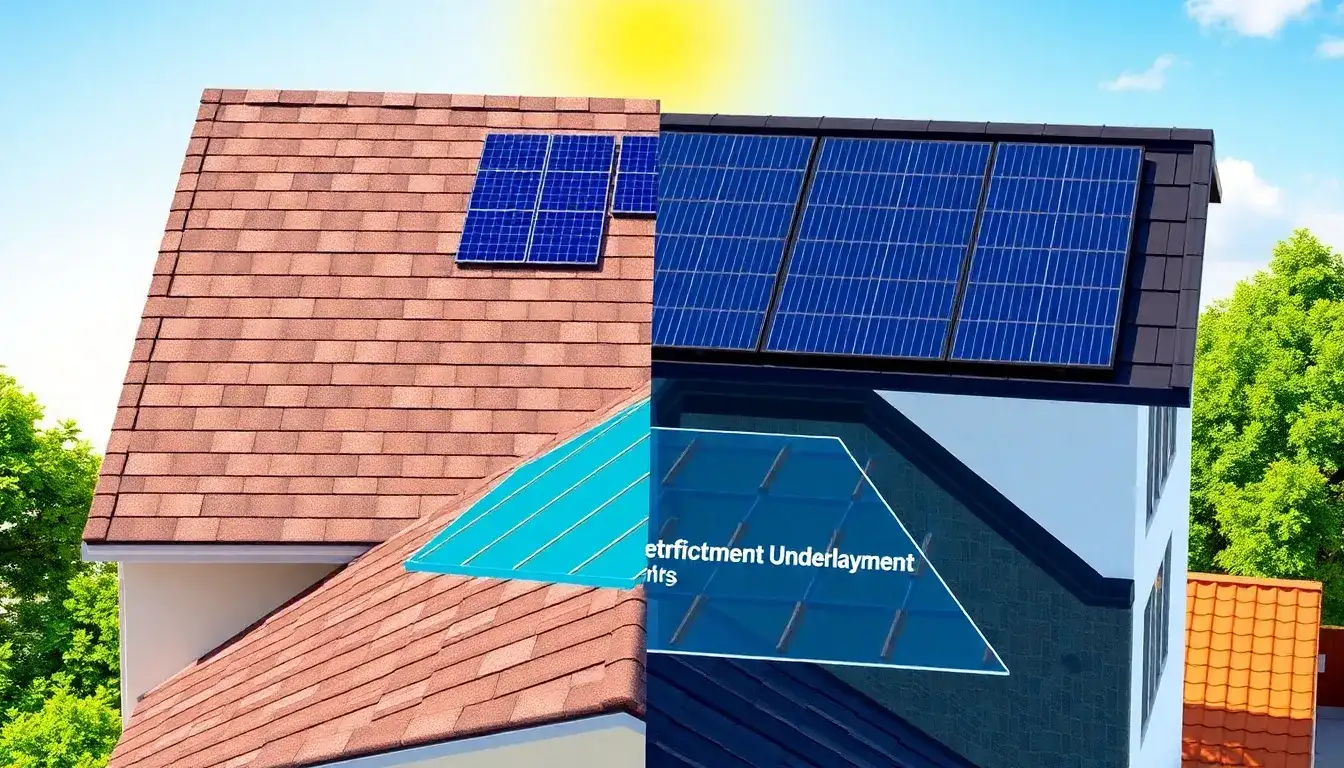
Solar roof tiles integrate with existing roofing systems by combining both active (solar-producing) and non-active (traditional) roofing materials into a unified, functional roof that generates electricity while maintaining structural integrity and aesthetic appeal. This integration typically involves several key aspects:
Integration Approach
- Combination of Active and Non-Active Tiles
Solar roof systems use active glass or photovoltaic tiles alongside non-active roofing tiles made from materials like architectural-grade steel or asphalt shingles. The active tiles produce electricity from sunlight, while the non-active tiles provide traditional roofing protection and contribute to the roof’s overall durability and weather resistance, such as corrosion resistance and waterproofing. - Seamless Fit and Appearance
The active solar tiles and non-active tiles fit together seamlessly to create a cohesive roof surface, minimizing visual disruptions and often making the solar components indistinguishable from regular roofing materials. This helps maintain the home’s curb appeal, as the solar roof looks natural and integrated rather than an add-on system. - Physical and Electrical Integration
The solar tiles are wired discreetly underneath the roof surface in string lines connected to an inverter and sometimes a battery backup system. This setup converts the direct current (DC) electricity generated by the solar cells into alternating current (AC) for home use. The electrical integration is hidden, preserving the roof’s clean look while supplying power efficiently.
Installation with Roofing Systems
- Installed Like Traditional Roofing
Solar roof tiles, especially photovoltaic shingles like GAF’s Timberline Solar or Tesla’s Solar Roof tiles, are designed to be installed with conventional roofing techniques. For example, Timberline Solar shingles are nailed on like asphalt shingles using standard roofing tools, making the installation process familiar to roofing contractors. - Roof Replacement or New Roof Installation
Solar roof tiles are most often integrated during reroofing projects or new roof construction, allowing the roofing system to be rebuilt with solar functionality incorporated from the start. This integration replaces traditional roofing material fully or partially, depending on the solar energy needs and roof geometry. - Compliance with Building Codes and Standards
Installation must follow roofing and electrical industry standards, including ventilation, waterproofing, wind resistance, and fire safety codes. Roofing contractors skilled in both roofing and solar system installation are necessary to ensure the roof’s structural integrity and system functionality.
Benefits of Integration
- Enhanced Durability and Weather Protection
Solar roof tiles are engineered to withstand all weather, providing long-term protection similar to traditional roofs, often covered by extended warranties such as 25 years with Tesla Solar Roof. - Aesthetic and Functional Duality
The system blends energy generation with the roof’s primary function of protecting the home. The tiles maintain waterproofing and durability while producing clean energy, avoiding the need for bulky, mounted solar panels. - Smart Monitoring and Efficiency
Many integrated solar roofs include app-based monitoring systems that allow homeowners to track energy production and system status remotely, optimizing energy use and ensuring system health.
In summary, solar roof tiles integrate with existing roofing systems by replacing or supplementing traditional roofing materials with photovoltaic tiles that match in form and function. This integration is executed primarily during roof replacement or new roof installation by roofing professionals who apply standard roofing installation methods combined with photovoltaic wiring practices, resulting in a durable, weatherproof, and aesthetically pleasing roof that also generates electricity efficiently.
Original article by NenPower, If reposted, please credit the source: https://nenpower.com/blog/how-do-solar-roof-tiles-integrate-with-existing-roofing-systems/

