

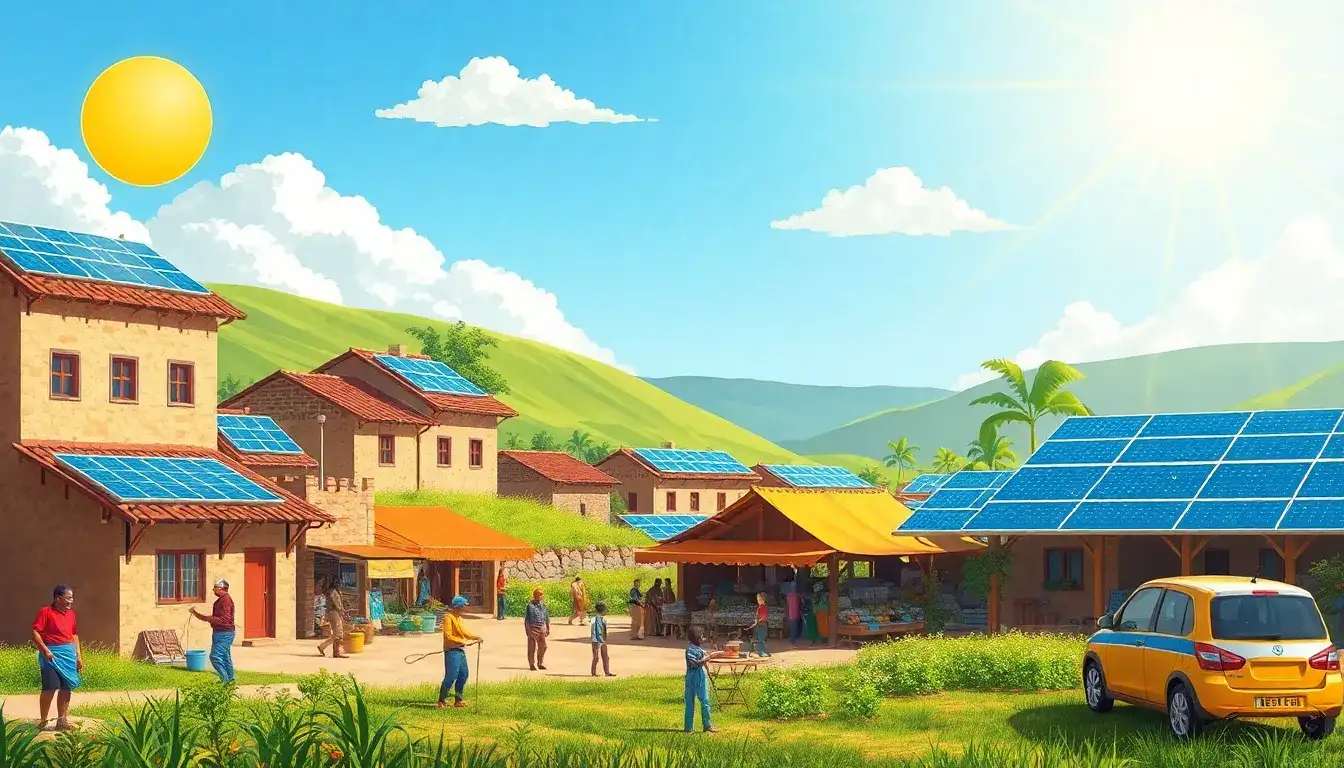
Solar projects can significantly influence the local economy in rural communities, affecting both positively and negatively.
Positive Influences
- Job Creation: Solar projects create new jobs during the construction phase and some ongoing maintenance positions, which can boost local employment rates.
- Increased Tax Revenue: These projects can generate substantial property tax revenues for local governments, helping fund community services and infrastructure.
- Income for Landowners: Landowners, often farmers or ranchers, receive lease payments for hosting solar facilities, providing an additional income stream.
- Economic Growth and Infrastructure Development: Solar projects can enhance local infrastructure and stimulate further economic development by bringing in new investments.
Negative Influences
- Land Use Competition: Solar development increases demand for land, potentially encroaching on agricultural uses and driving up land rental prices, impacting farmers’ costs.
- Land Value Increases: Higher land values can limit accessibility for local farmers and other community members who might face increased costs for land or renting it for agricultural purposes.
Overall, solar projects in rural communities can bring significant economic benefits but also pose challenges related to land use and resource allocation. Effective communication and planning are key to maximizing these benefits while mitigating negative impacts.
Original article by NenPower, If reposted, please credit the source: https://nenpower.com/blog/how-do-solar-projects-influence-the-local-economy-in-rural-communities/

