

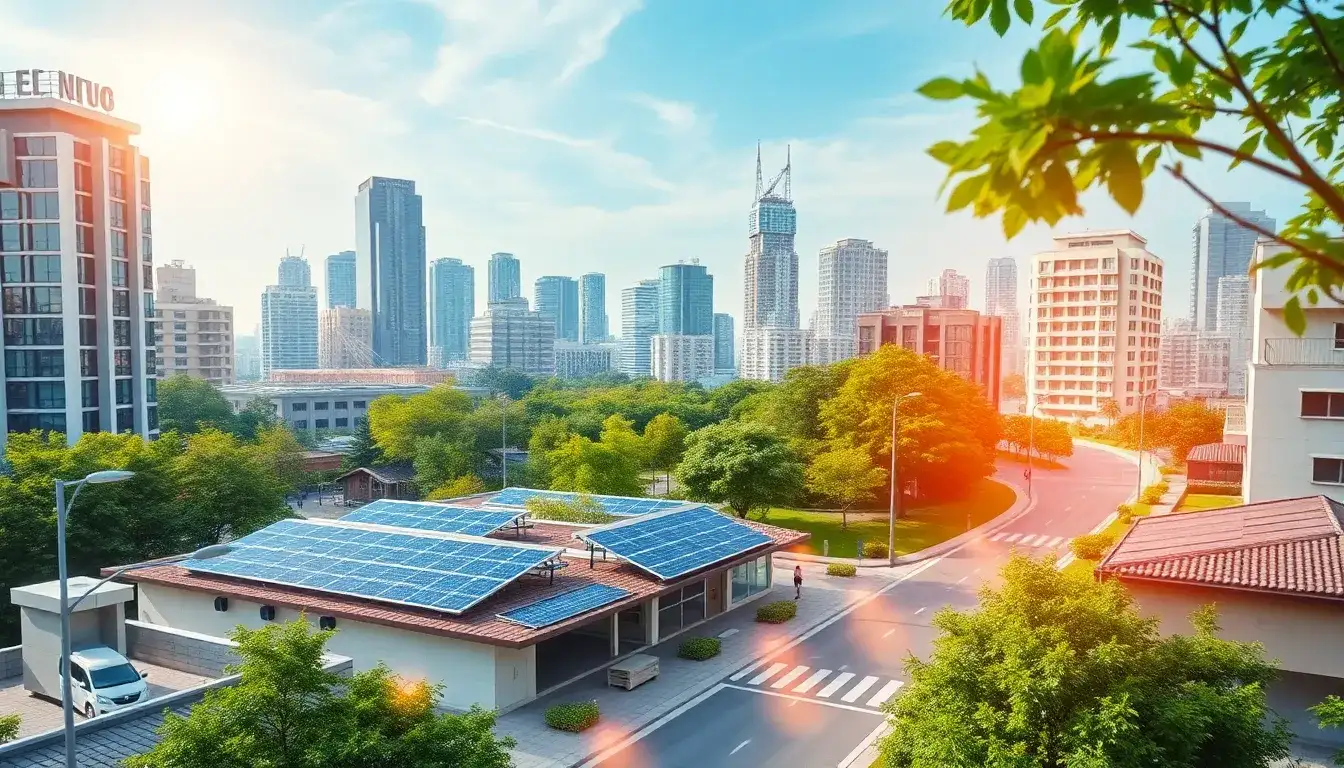
Solar-powered IoT devices significantly contribute to energy efficiency through several mechanisms and applications, particularly in smart grids, smart homes, and smart cities.
How Solar-Powered IoT Devices Contribute to Energy Efficiency
1. Use of Renewable Energy
Solar-powered IoT devices operate on solar energy, a clean and renewable energy source. This reduces reliance on traditional electricity grids and fossil fuels, thereby cutting down overall energy consumption and lowering carbon emissions. They enable sustainable operation independent of external power supplies, enhancing energy autonomy and reducing environmental impact.
2. Real-Time Data Monitoring and Load Management
IoT devices equipped with solar power are integrated with sensors and smart meters that provide real-time monitoring of energy production and consumption. This data-driven approach allows for optimized energy use by adapting consumption patterns dynamically based on availability and demand. For example, smart grids use solar-powered IoT to manage energy loads efficiently, preventing waste and balancing supply and demand.
3. Enhanced Resource Management in Smart Cities
Solar-powered IoT devices enable cities to monitor and control resource usage such as electricity, water, and waste in real time. By collecting precise data and analyzing it, these devices help optimize resource allocation, reduce wastage, and improve overall system efficiency. Smart street lighting and smart parking systems use solar-powered IoT to reduce unnecessary energy use by adjusting lighting and guiding drivers to available parking spots, respectively, thereby decreasing energy demand and congestion.
4. Improved Reliability and Reduced Downtime
Continuous monitoring through solar-powered IoT supports early detection of issues or disturbances in energy infrastructure. This facilitates rapid response and preventive maintenance, minimizing energy losses and downtime. Such improvements enhance the robustness and dependability of energy systems, contributing to more efficient energy usage.
5. Intelligent Home Energy Management
In residential settings, solar-powered IoT devices integrate with home energy management systems (HEMS), smart meters, and smart inverters to optimize solar energy capture and usage. Automated appliances can be programmed to operate during peak solar generation times, maximizing the use of solar power and minimizing grid dependency. This automation leads to significant energy efficiency and cost savings.
Summary Table of Contributions to Energy Efficiency
| Contribution Aspect | Description |
|---|---|
| Renewable Energy Use | Reduces reliance on fossil fuels and electricity grids; lowers carbon emissions |
| Real-Time Data & Load Management | Optimizes energy consumption based on real-time supply and demand data |
| Resource Management in Cities | Enhances efficiency in water, electricity, and waste management through IoT data insights |
| System Reliability | Enables early problem detection, reducing downtime and energy waste |
| Smart Home Energy Optimization | Automates appliance use and balances energy conversion to maximize solar power usage |
In summary, solar-powered IoT devices promote energy efficiency by harnessing renewable energy, enabling intelligent and adaptive energy management, improving infrastructure reliability, and providing actionable data for better resource utilization in various environments ranging from smart homes to entire cities.
Original article by NenPower, If reposted, please credit the source: https://nenpower.com/blog/how-do-solar-powered-iot-devices-contribute-to-energy-efficiency/

