

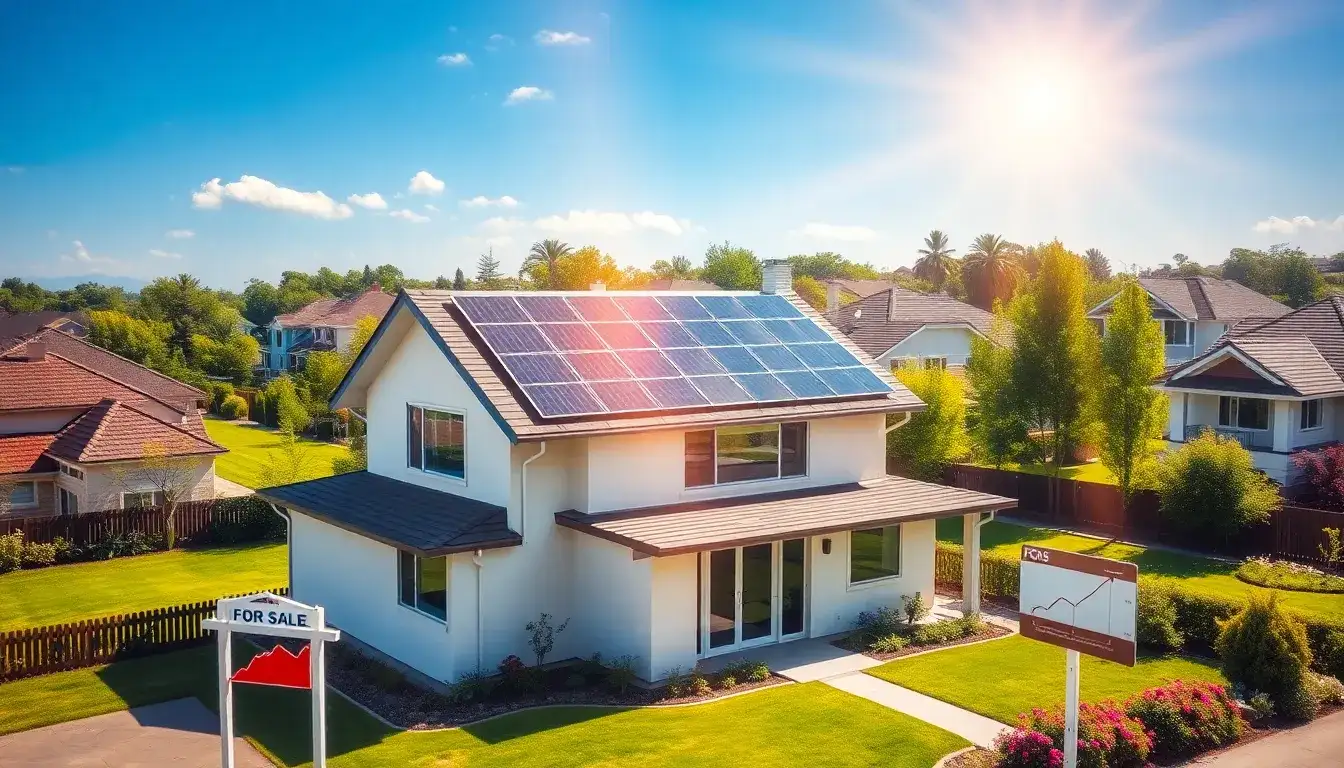
Solar panels generally increase the value of a home, with various studies showing significant premiums for homes equipped with solar energy systems. The impact depends on several factors such as location, system size, ownership status, and local incentives.
How Solar Panels Affect Home Value
Typical Value Increase
- Research from the Lawrence Berkeley National Laboratory and others indicates that solar panels add approximately $4 per watt of installed capacity to home value. For example, a 6-kilowatt (kW) system could increase home value by about $24,000.
- Zillow’s 2019 study found homes with solar panels sell for about 4.1% more than comparable homes without solar systems, while a 2024 SolarReviews study reported an average increase of 6.8% in sale price for homes with solar panels.
- In dollar terms, for a median home value of around $417,000 in 2024, this translates to over $28,000 in added value.
Value Relative to Energy Savings
- The National Renewable Energy Laboratory (NREL) found that home value increased by roughly $20 for every $1 saved annually in electricity bills due to solar panels. For example, a solar panel system saving $400 per year could add about $8,000 in home value.
- Monthly savings on electricity bills typically range from $100 to $250 depending on location and system size, which contributes both to cost savings and resale appeal.
Factors Influencing the Value Added by Solar Panels
| Factor | Impact Description |
|---|---|
| Location | Solar panels add more value in regions with higher electricity costs, solar incentives, and environmental awareness. For instance, homes in Seattle showed a 9.3% higher value, while Wisconsin saw lower value with solar. |
| System Size & Condition | Larger systems that generate more electricity and are well-maintained tend to add more value. Average residential systems are around 6 kW, but bigger systems save more money and thus add more value. |
| Ownership vs. Lease | Owned systems add more value; leased systems may complicate resale as incentives and ownership are less attractive to buyers. |
| Incentives and Tax Credits | Federal tax credits (e.g., a 30% solar tax credit in the U.S.) and state/local incentives reduce installation cost and improve ROI, indirectly supporting higher home values. |
| Local Electricity Rates | Higher local rates increase the value of savings from solar panels, making solar more attractive and valuable. |
Other Considerations
- Solar panels enhance a home’s environmental appeal, attracting buyers interested in sustainability, which can further drive up value and sale likelihood.
- Solar installations generally do not increase property taxes because many jurisdictions provide property tax exemptions for solar systems, although the systems do increase home appraised value.
- Some estate agents warn that solar panels might deter potential buyers due to concerns about maintenance or system age, so the effect can vary regionally.
Summary
Solar panels typically raise home value by about 4% to 7%, translating into several thousand to tens of thousands of dollars depending on system size and local conditions. The more a solar system reduces utility bills, the greater the added property value. Ownership of the system and local incentives positively influence the premium, while leased systems or less solar-friendly markets might limit value gains.
This makes solar panels a strong home improvement investment, offering both ongoing energy cost savings and a meaningful boost to resale price.
Original article by NenPower, If reposted, please credit the source: https://nenpower.com/blog/how-do-solar-panels-impact-the-value-of-a-home/

