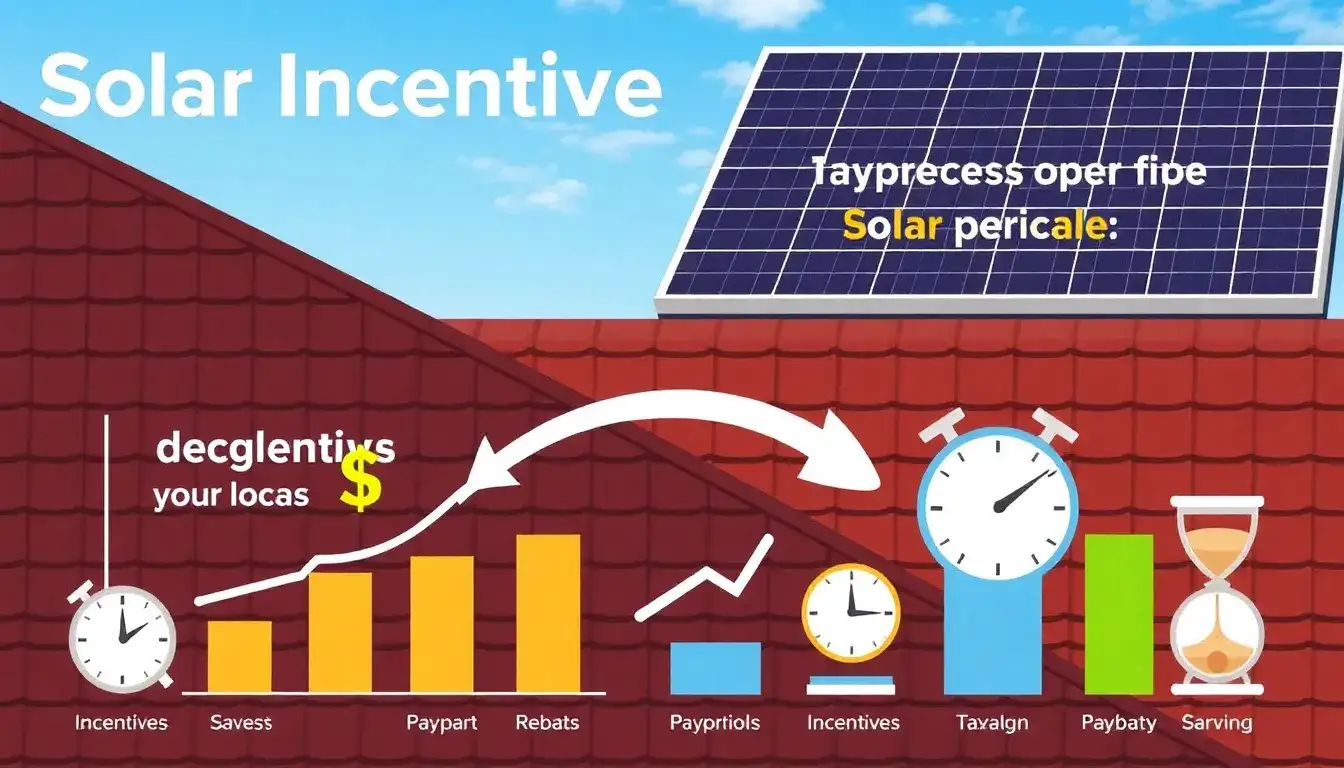
Solar incentives play a crucial role in reducing the payback period for solar installations. By providing financial benefits to homeowners and businesses, these incentives help lower the upfront costs and increase the efficiency and value of solar energy systems.
Key Solar Incentives and Their Impact
- Federal Tax Credit: The federal tax credit allows homeowners to deduct 30% of the total solar system cost from their federal tax bill. This significantly reduces the upfront investment, thereby shortening the payback period.
- State and Local Rebates: Many states offer additional rebates or credits that can further reduce the initial cost of solar installations. These local incentives can accelerate the payback period by lowering the overall expense.
- Solar Renewable Energy Certificates (SRECs): SRECs are tradable credits earned by producing renewable energy. They can be sold to utilities to meet their renewable portfolio standards, providing an additional income stream that helps offset the cost of solar systems and shorten the payback period.
- Net Metering: This policy allows homeowners to sell excess electricity back to the grid, earning credits that reduce their utility bills. Net metering enhances savings and accelerates the payback period by ensuring that any excess energy produced is financially beneficial.
How Incentives Affect the Payback Period
- Reducing Upfront Costs: Incentives lower the initial investment required for solar installations, which directly shortens the payback period since less money needs to be recouped through energy savings.
- Increasing Energy Savings: By maximizing energy production and selling excess back to the grid, solar incentives increase annual savings, leading to a quicker break-even point.
- Encouraging System Quality: While high-quality systems might cost more upfront, incentives can make them more affordable, ensuring better performance and longevity over time, which also contributes to a shorter payback period.
Overall, solar incentives are essential in making solar energy more financially attractive, as they significantly reduce the payback period, allowing homeowners and businesses to recoup their investment sooner.
Original article by NenPower, If reposted, please credit the source: https://nenpower.com/blog/how-do-solar-incentives-impact-the-payback-period-for-solar-installations/