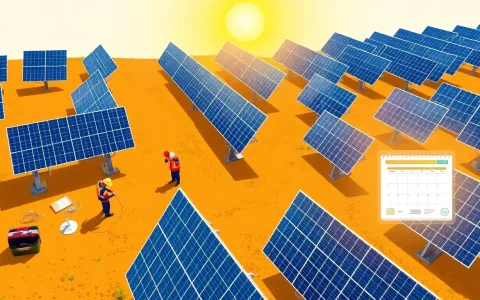
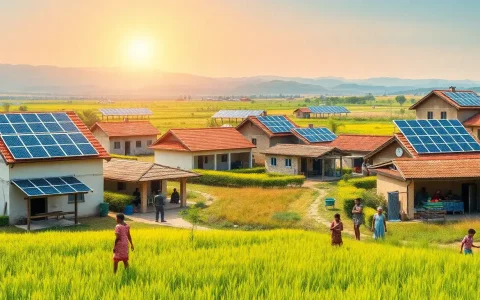
Solar energy projects can have a notable impact on local tax revenues in rural communities, with a mix of benefits and challenges.
Positive Impacts on Local Tax Revenues
- Increased Tax Revenue for Local Governments: Solar projects typically add to the local property tax base, increasing the tax revenue available for public services such as schools, emergency services, and infrastructure. For example, solar and wind projects in Minnesota generated nearly $2 million in combined solar energy production tax revenue in 2022, which helped fund local emergency services and community improvements in rural counties where populations and tax bases are smaller.
- Additional Economic Benefits Linked to Taxes: Besides direct tax revenues, solar projects provide payments to landowners hosting solar arrays and create jobs during construction and operation phases. This economic activity can broaden the tax base indirectly by boosting local incomes and spending.
- Support for Rural Community Revitalization: Utility-scale solar development can be a tool to revitalize rural economies by bringing new financial resources and employment opportunities, increasing overall economic activity and tax receipts.
Challenges and Considerations
- Property Tax Burden Shift: While solar projects increase the total property tax revenue in an area, this can lead to higher tax bills for other local property owners. In some cases, the state’s assessment processes cause fluctuations and depreciation of solar project values that result in shifting the tax burden from the projects to residents and businesses in the taxing district. This has been observed in Washington State, where clean energy development caused debate over who ultimately pays the increased taxes.
- Community Awareness: Despite the increased tax revenues, local residents often lack awareness of these benefits. Many rural stakeholders do not readily recognize that solar projects are increasing local tax revenues, which can hinder local support for such developments.
- Land Use Concerns: Though not directly related to taxes, some rural communities worry about the trade-off between solar development and the loss of productive agricultural land, which could indirectly affect property values and local tax bases.
Summary
Solar energy projects contribute positively to local tax revenues in rural communities by enlarging the property tax base, supporting public services, and adding economic activity. However, this can sometimes shift tax burdens onto other residents and businesses, creating controversy. Additionally, local awareness of these tax benefits is often low, underscoring a communication gap between developers and communities. Overall, solar projects represent an important and growing source of tax revenue for rural areas, with potential economic revitalization benefits when managed with transparent policies to mitigate adverse effects.
Original article by NenPower, If reposted, please credit the source: https://nenpower.com/blog/how-do-solar-energy-projects-impact-local-tax-revenues-in-rural-communities/