

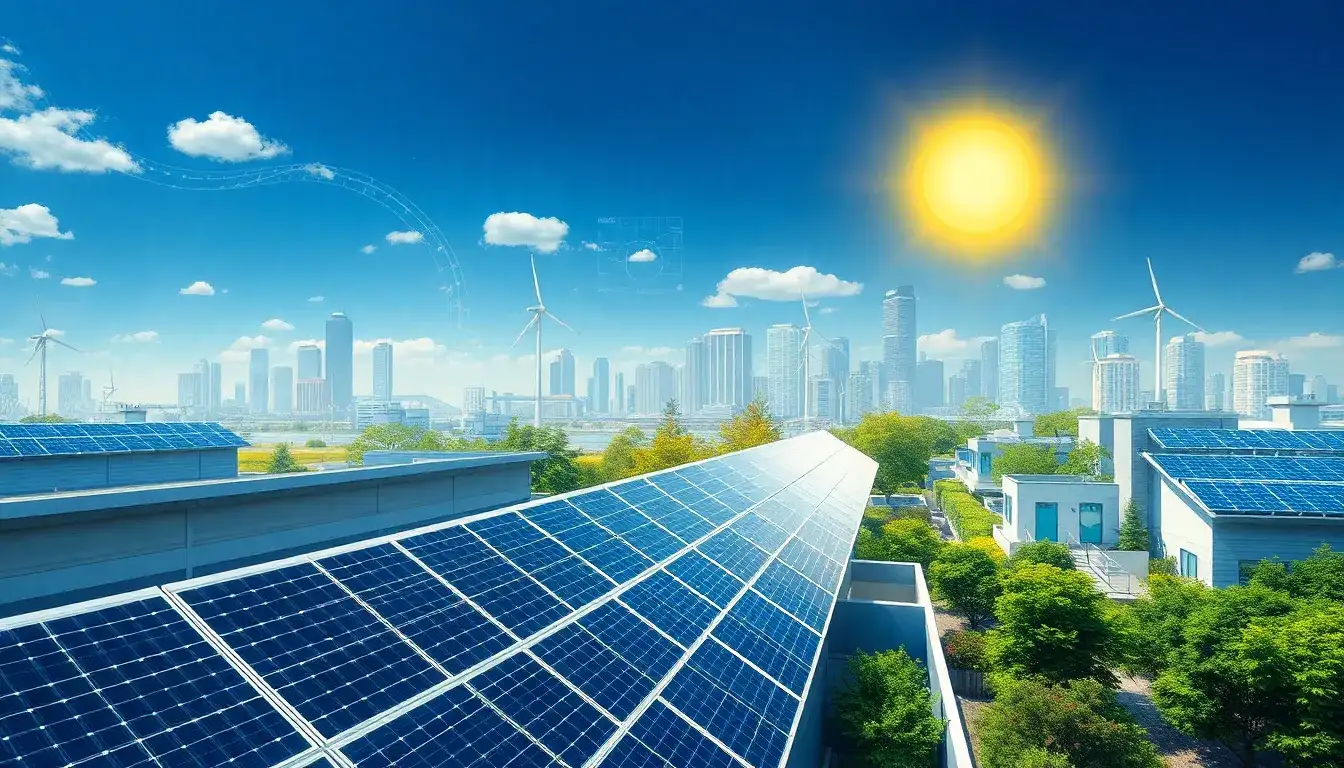
Smart solar technologies optimize energy storage and usage primarily through advanced controls, artificial intelligence (AI), and improved battery management systems. These innovations maximize energy capture, storage efficiency, and utilization while supporting grid stability and reducing costs.
Key Ways Smart Solar Technologies Optimize Energy Storage and Usage
1. AI-Driven Energy Management and Optimization
Smart solar systems leverage AI to analyze data from solar generation, consumption patterns, weather forecasts, and electricity market prices. AI algorithms determine the optimal times to store excess solar energy in batteries and when to discharge it for use or grid supply. This process accounts for factors like peak demand periods and time-of-use pricing, ensuring stored energy is used cost-effectively and efficiently. The AI also dynamically controls solar panel positioning to maximize generation based on sun location and conditions and prioritizes energy supply to critical loads.
2. Advanced Battery Storage and Management
Modern smart solar technologies incorporate advanced batteries such as lithium-ion and flow batteries with higher energy density and longer lifespans. These batteries enable more effective storage of solar energy. Sophisticated battery management systems (BMS) optimize charging and discharging cycles, balancing energy availability against user demand and grid signals. This leads to improved energy utilization, reduced degradation, and increased system longevity.
3. Integration with Grid and Demand Response
Smart solar technologies enhance integration between solar generation, energy storage, and the electrical grid. Intelligent inverters and energy management systems coordinate energy flow, enabling services such as peak shaving, load leveling, frequency regulation, and voltage control. This helps mitigate the intermittency of solar power, supports grid stability, and reduces reliance on fossil fuel backup.
4. Fault Detection and System Maintenance
AI-based systems continuously monitor performance to detect faults or inefficiencies in real time. Early alerts enable timely maintenance or repairs, minimizing downtime and ensuring energy storage and usage remain optimized.
5. Hybrid Energy Storage Systems
Research and implementation of hybrid storage solutions—combining batteries with supercapacitors, flywheels, or other technologies—allow leveraging complementary strengths, enhancing overall system efficiency and responsiveness.
Summary Table
| Optimization Aspect | Description |
|---|---|
| AI and Predictive Analytics | Optimizes solar panel positioning, storage charge/discharge scheduling, and energy use |
| Advanced Battery Technologies | Lithium-ion and flow batteries with improved storage capacity and longevity |
| Battery Management Systems (BMS) | Controls battery operation to extend life and optimize efficiency |
| Grid Integration and Demand Response | Enhances load balancing, peak shaving, and grid support services |
| Fault Detection and Maintenance | Real-time monitoring to reduce downtime and maintain system efficiency |
| Hybrid Storage Systems | Combines storage types to improve overall system performance |
In essence, smart solar technologies enable a more intelligent, dynamic, and efficient management of solar energy generation and storage, leading to maximized energy utilization, cost savings, and better grid support.
Original article by NenPower, If reposted, please credit the source: https://nenpower.com/blog/how-do-smart-solar-technologies-optimize-energy-storage-and-usage/

