

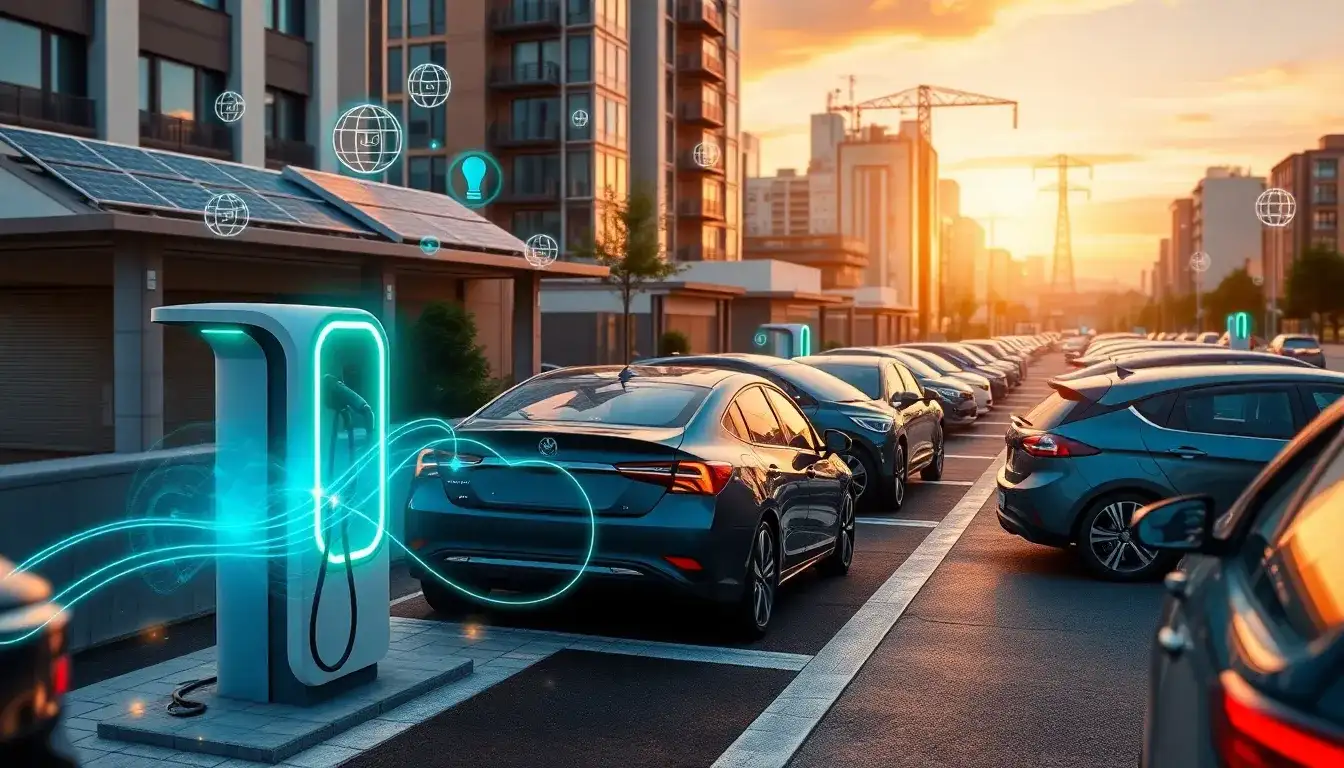
Smart Level 2 EV chargers optimize charging times through automated scheduling, demand-based load management, and integration with grid dynamics, balancing speed with cost-efficiency while supporting renewable energy use. Here’s how they achieve this:
Automated Scheduling
Smart chargers allow users to set charging schedules via mobile apps, prioritizing off-peak hours (e.g., overnight) when electricity demand and costs are lower. For example, NYSEG’s TOU rates define off-peak hours as 11:30 p.m.–7 a.m., incentivizing overnight charging.
Grid Demand Response
By shifting charging loads to off-peak periods, smart chargers reduce strain on the grid during high-demand hours. This enables utilities to better integrate renewable energy sources like solar and wind, which may produce excess power during midday or nighttime.
Real-Time Load Balancing
Advanced chargers monitor electricity demand and adjust charging speeds dynamically. If multiple devices are active, they can temporarily reduce EV charging rates to prevent circuit overloads, then resume full power later.
Vehicle Data Integration
Some programs use EV APIs to access real-time data like battery state of charge, allowing precise scheduling to ensure the vehicle reaches its required charge level by a set time while avoiding unnecessary peak-hour usage.
Cost and Emissions Reduction
By leveraging time-of-use rates and renewable energy availability, smart charging cuts user costs and grid emissions. Studies suggest widespread adoption could offset electricity use equivalent to 1,700+ homes annually.
Original article by NenPower, If reposted, please credit the source: https://nenpower.com/blog/how-do-smart-level-2-chargers-optimize-charging-times/

