

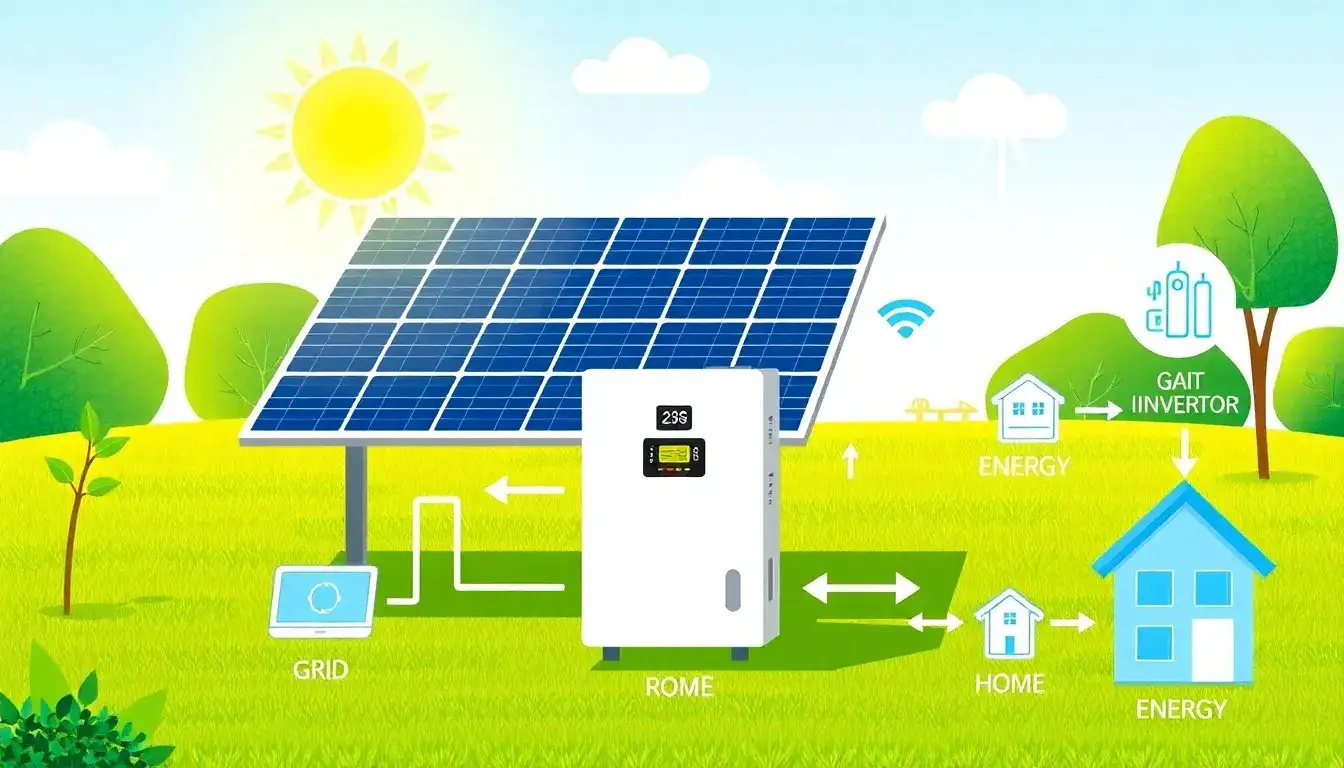
Smart inverters play a crucial role in optimizing energy flow in solar systems through several key features and functionalities:
Key Features of Smart Inverters
- Dynamic Power Output Adjustment: Smart inverters continuously monitor environmental conditions such as solar irradiance and temperature to adjust the energy output dynamically. This adjustment ensures that energy production is optimized according to current demands, maximizing energy efficiency and minimizing waste.
- Voltage Regulation: They actively manage voltage fluctuations in the system by providing reactive power support. This helps stabilize voltage levels, preventing equipment damage or inefficiencies and improving overall system performance.
- Maximum Power Point Tracking (MPPT): MPPT technology ensures that smart inverters extract the maximum power from solar panels under varying weather conditions, enhancing energy efficiency.
- Real-Time Monitoring and Control: Smart inverters offer real-time monitoring capabilities through mobile apps or web portals. Users can track energy production, consumption, and system performance, enabling rapid fault detection and resolution.
- Integration with Solar Battery Storage: Smart inverters can effectively manage energy storage systems by coordinating energy flow between solar panels, batteries, and the grid. This integration provides an uninterrupted power supply and supports microgrid operations during grid outages.
- Grid Synchronization and Reactive Power Control: Smart inverters can synchronize with the grid and control reactive power to improve overall power quality. This ensures harmony between the solar system and the broader electricity network.
Optimization Process
The optimization process in solar systems involves:
- Continuous Monitoring: Smart inverters continuously monitor solar energy output, environmental conditions, and energy demand.
- Adaptive Adjustments: They make dynamic adjustments to maximize energy production and efficiency.
- Stabilization and Control: By regulating voltage and controlling reactive power, smart inverters maintain system stability and prevent inefficiencies.
Overall, smart inverters are crucial for optimizing energy flow in solar systems, enhancing efficiency, reliability, and integration with the grid and energy storage solutions.
Original article by NenPower, If reposted, please credit the source: https://nenpower.com/blog/how-do-smart-inverters-optimize-energy-flow-in-solar-systems/

