

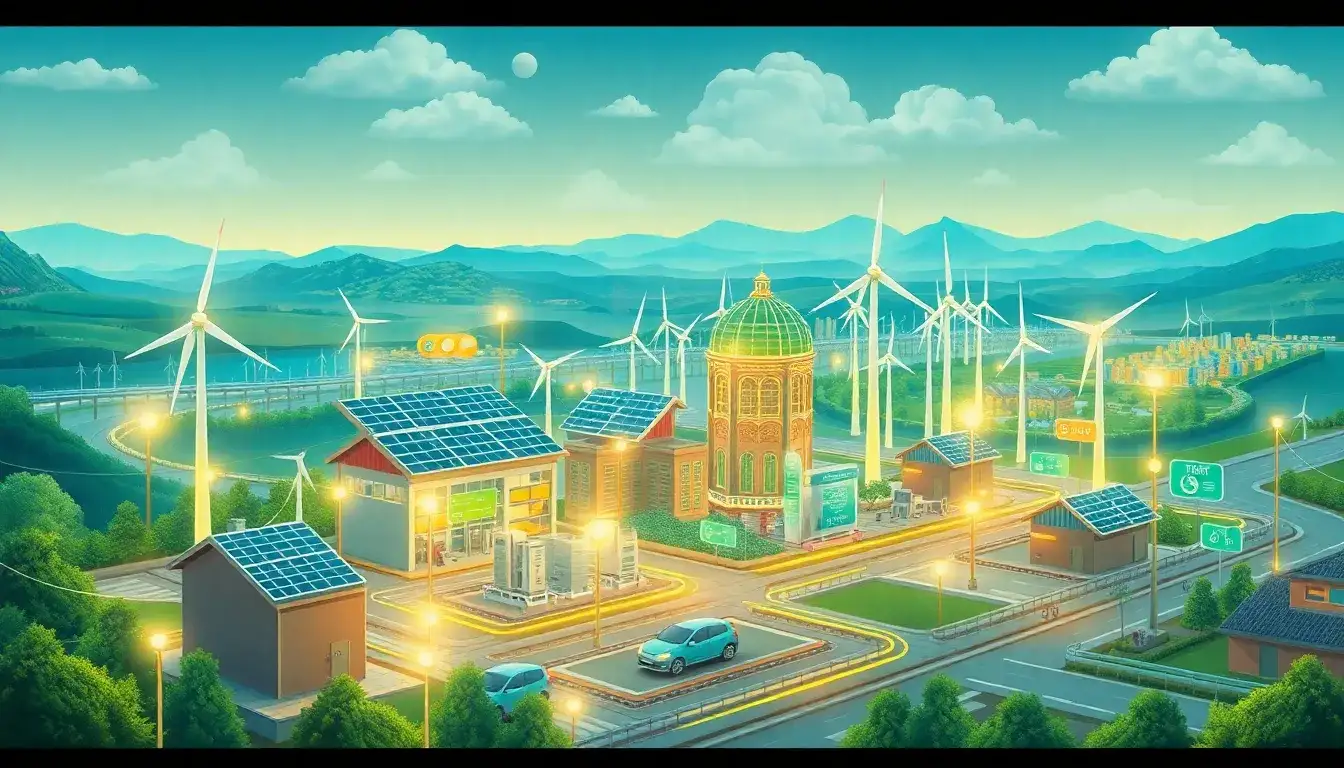
How Smart Grids Use IoT to Manage Renewable Energy
Smart grids utilize the Internet of Things (IoT) to effectively manage and integrate renewable energy sources like solar and wind into the power grid. This integration is crucial for enhancing energy efficiency, reliability, and sustainability. Here’s how IoT technology plays a pivotal role in smart grid operations related to renewable energy:
1. Real-Time Monitoring and Data Analysis
- IoT Devices: Smart grids use IoT devices such as sensors and smart meters to collect real-time data on energy production from renewable sources, weather conditions, and consumer demand.
- Data Analytics: The collected data is analyzed to predict energy supply and demand trends, enabling utilities to adjust energy distribution dynamically and manage the variability of renewable energy output.
2. Optimization of Renewable Energy Production
- Solar and Wind Farm Monitoring: IoT sensors can monitor the performance of solar panels and wind turbines. This monitoring helps in optimizing energy production by detecting inefficiencies or malfunctions, allowing for quick interventions to maximize output.
- Automation and Control: IoT-enabled systems can automatically adjust the positioning of solar panels to maximize sun exposure or regulate wind turbine settings based on environmental conditions.
3. Smart Grid Integration and Management
- Grid Stability and Balance: Smart grids integrate renewable energy sources with traditional power sources, using IoT data to balance supply and demand in real-time. This helps in maintaining grid stability and preventing power outages.
- Self-Healing Capabilities: IoT-enhanced smart grids can autonomously detect issues, such as line breaks or power outages, and reroute power to minimize disruptions.
4. Energy Storage and Efficiency
- Battery Monitoring: IoT technology can monitor battery health and performance in energy storage systems, ensuring efficient use and longevity.
- Demand Response Systems: IoT enables smart charging of electric vehicles and other appliances during off-peak hours or when renewable energy is abundant, optimizing energy use and reducing strain on the grid.
5. Consumer Engagement and Energy Management
- Feedback and Participation: IoT technologies allow for two-way communication between consumers and utilities, enabling real-time feedback on energy usage and encouraging consumers to participate in demand response programs.
In summary, IoT technology is essential for managing renewable energy through smart grids by providing real-time insights, optimizing energy production, enhancing grid stability, and promoting efficient energy use. This integration supports a more sustainable and resilient energy infrastructure.
Original article by NenPower, If reposted, please credit the source: https://nenpower.com/blog/how-do-smart-grids-use-iot-to-manage-renewable-energy/

