

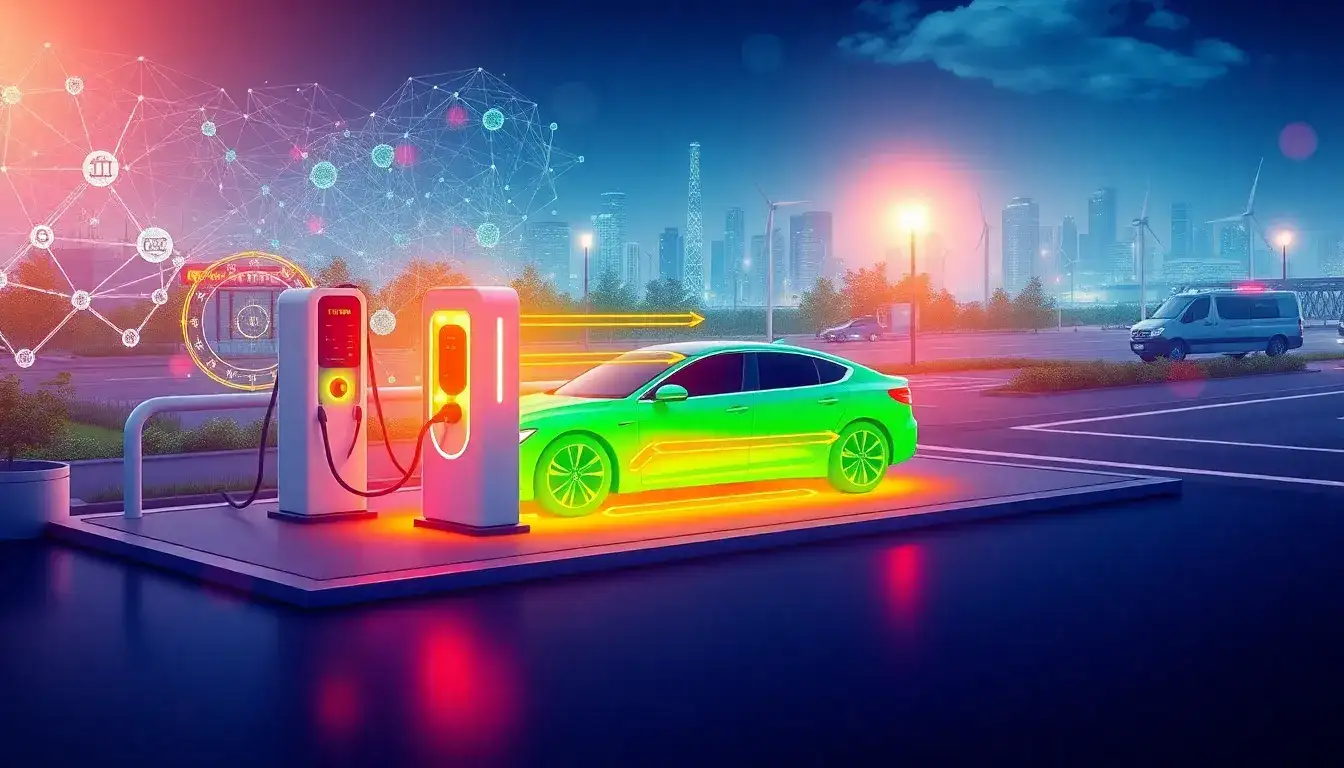
Smart control algorithms predict thermal loads during EV charging by integrating advanced monitoring and predictive techniques. Here’s a breakdown of how they work:
Key Components of Smart Control Algorithms
- Real-time Monitoring: These algorithms continuously monitor critical parameters such as state of charge (SOC), ambient temperature, cabin temperature, and battery thermal state. This data is crucial for anticipating thermal demands.
- Dynamic Charging Maps: Vehicle-specific battery charging maps help customize the control strategy. These maps take into account the particular cell chemistry and pack configuration to optimize the balance between charging speed and battery longevity.
- Predictive Modeling: Advanced algorithms can analyze thermal dynamics and inertia of EV batteries to predict when and how much energy should be allocated for heating or cooling. This predictive approach allows for preemptive thermal management, ensuring that cooling is activated before thermal loads peak.
- Dynamic Cooling Logic: For fast charging scenarios, smart control algorithms use dynamic cooling control logic to anticipate heat generation. This proactive strategy prevents temperature spikes that could otherwise reduce charging power.
Benefits of Predictive Thermal Load Management
- Energy Efficiency: By predicting thermal loads, smart systems can modulate cooling more efficiently, reducing unnecessary energy consumption by 15-25% compared to fixed-setpoint systems.
- Temperature Control: Maintaining cell-to-cell temperature variations below 3°C helps ensure optimal battery performance and longevity.
- Grid Integration: Smart charging also supports grid reliability by optimizing charging times to avoid peak demand periods.
Overall, these algorithms enhance EV charging efficiency and reliability by proactively managing thermal loads based on real-time data and predictive models.
Original article by NenPower, If reposted, please credit the source: https://nenpower.com/blog/how-do-smart-control-algorithms-predict-thermal-loads-during-ev-charging/

