

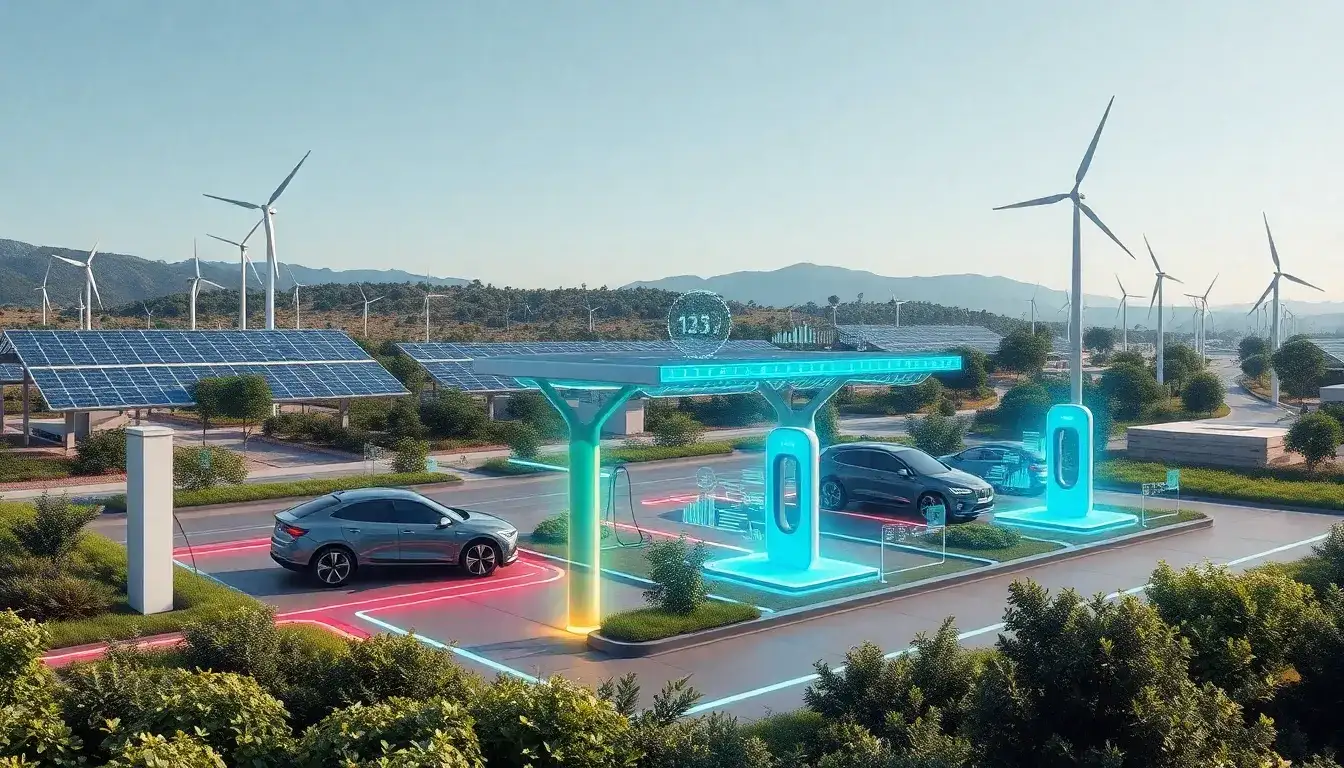
Smart charging systems optimize the use of renewable energy primarily by intelligently managing when and how electric vehicles (EVs) are charged to align with renewable energy availability and grid demand, thereby enhancing efficiency, grid stability, and environmental benefits.
How Smart Charging Optimizes Renewable Energy Use
Dynamic Charging Based on Grid Conditions
Smart charging systems communicate with the electrical grid in real time, enabling charging schedules to be adjusted dynamically according to the supply of renewable energy such as solar or wind power. When there is surplus renewable generation—like midday solar peaks—smart chargers can increase charging rates, maximizing the consumption of clean energy. Conversely, during peak grid demand or low renewable output, charging can be slowed or paused to reduce stress on the grid and reliance on fossil fuels.
Grid Integration and Demand Response
By responding to grid signals and participating in demand response programs, smart charging helps smooth out demand peaks and valleys. This reduces the need for fossil fuel-based peaking power plants and grid reinforcements. It creates a more resilient and stable energy system capable of accommodating higher shares of variable renewable energy without risking overloads or outages.
Vehicle-to-Grid (V2G) Technology
Some smart charging systems incorporate V2G capabilities, where EVs not only charge but can also discharge energy back to the grid. This bidirectional flow allows EV batteries to act as distributed energy storage, releasing stored renewable energy during periods of high demand or grid instability, further supporting renewable integration and grid reliability.
Optimized Energy Scheduling for Cost and Environmental Benefits
Smart chargers take advantage of time-of-use electricity tariffs, charging EVs during off-peak hours when renewable energy is typically more abundant and cheaper. This scheduling reduces charging costs for consumers while increasing the share of renewables consumed. Additionally, by coordinating charging speeds and limits based on real-time data about available renewable capacity and grid constraints, smart charging ensures efficient use of energy resources without overloading infrastructure.
Broader Impact on Renewable Energy Penetration
By managing EV charging intelligently, smart charging systems help integrate a higher proportion of renewable energy into the overall power system. This integration allows EVs to play a key role in decarbonizing transport while supporting the transition to renewable-based electricity grids.
In summary, smart charging systems optimize renewable energy use by leveraging real-time grid communication and control technologies to synchronize EV charging with renewable energy availability, participate in demand response and V2G services, and reduce grid stress, leading to enhanced renewable energy consumption, cost savings, and improved grid stability. This creates a more sustainable and efficient energy ecosystem as EV adoption grows.
Original article by NenPower, If reposted, please credit the source: https://nenpower.com/blog/how-do-smart-charging-systems-optimize-the-use-of-renewable-energy/

