Smart charging systems integrate with renewable energy sources to reduce the environmental impact of electric vehicle (EV) charging by optimizing when and how EVs are charged, enabling more effective use of clean energy, and supporting grid stability. Here’s how this integration works in detail:
Key Mechanisms of Integration
1. Timing EV Charging to Match Renewable Energy Availability
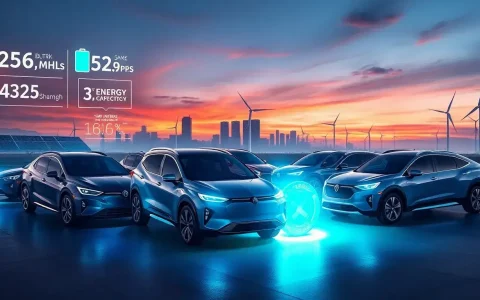
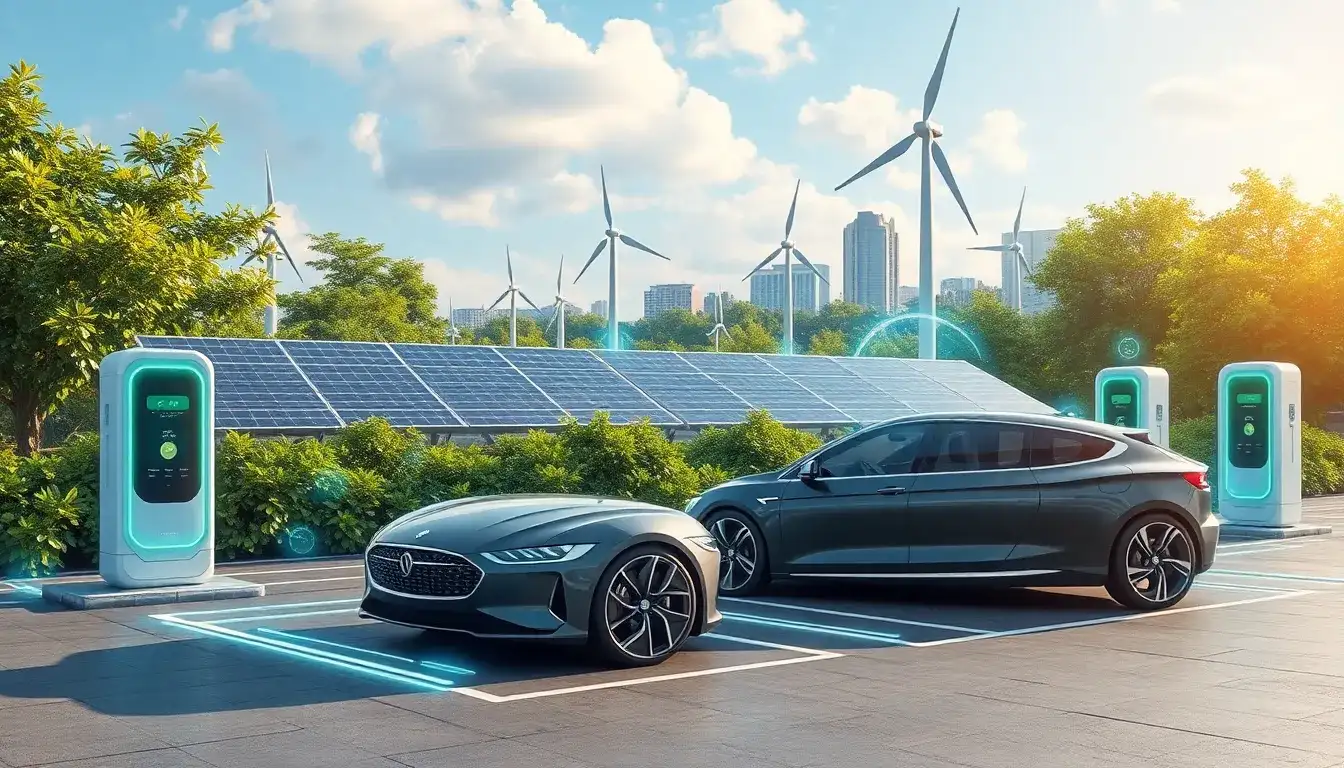
Smart charging systems use data on renewable energy generation—such as solar and wind power—to schedule EV charging during periods of high renewable output. For example, EVs can be charged during sunny afternoons when solar panels generate peak electricity or at night when wind energy is abundant. This alignment reduces reliance on fossil-fuel-based grid power, lowering the carbon footprint of EV charging.
2. Use of Local Renewable Energy and Energy Storage
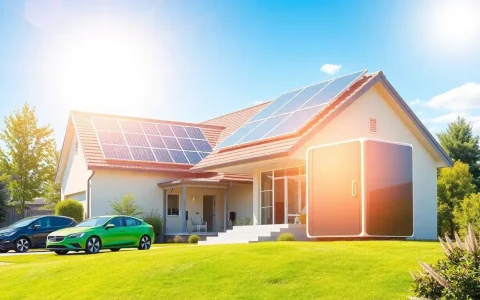
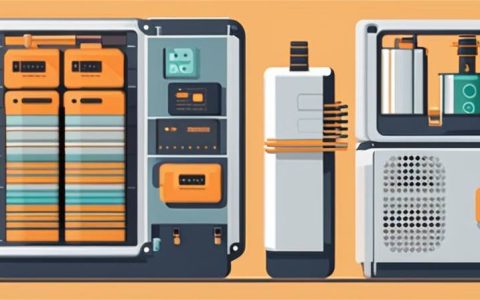
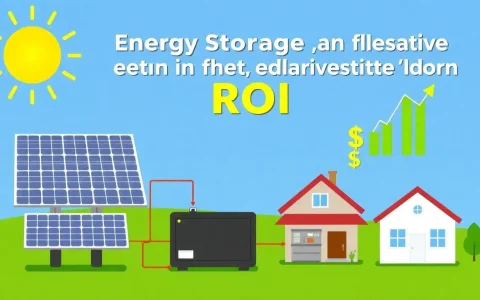
Charging stations can be equipped with on-site renewable generation (solar panels or small wind turbines) combined with battery storage systems. The stored renewable energy can be used to charge EVs independently of the grid or to reduce peak grid demand. This approach lessens the load on the power infrastructure and enhances the use of clean energy.
3. Demand Response and Grid Load Management
Smart chargers dynamically adjust charging power based on grid conditions, reducing electricity draw during peak demand periods (“peak shaving”), which helps maintain grid reliability and prevents outages. By modulating charging activities, they ensure that EV charging aligns with grid capacity and renewable availability, contributing to grid stability and efficient energy use.
4. Vehicle-to-Grid (V2G) Technology
Bidirectional charging allows EVs to not only consume energy but also supply stored energy back to the grid when needed. This capability turns EV batteries into distributed energy storage units that can support the grid during demand peaks or fluctuations in renewable generation, further enhancing renewable integration and reducing environmental impact.
Benefits of Integration
- Maximizes use of clean energy by prioritizing EV charging when renewable generation is high.
- Reduces greenhouse gas emissions by cutting dependence on fossil-fuel-based electricity during charging.
- Supports grid reliability and power quality through load management, avoiding overloads.
- Enables flexibility for EV owners to charge conveniently while promoting sustainability.
- Encourages wider adoption of EVs and renewables by making the transportation and energy sectors more sustainable and efficient.
Real-World Examples
In the Netherlands, ElaadNL integrates solar and wind power with smart charging infrastructure, balancing energy demands across multiple charging points and optimizing the use of green energy. Using fine-grained metering and real-time data, they prioritize which chargers receive renewable electricity, enhancing sustainability and operational efficiency.
In summary, smart charging systems leverage renewable energy availability, energy storage, demand response, and advanced control technologies to reduce the environmental footprint of EV charging, while supporting grid stability and offering convenience to users. This integration is a crucial step toward a cleaner, more sustainable transportation and energy future.
Original article by NenPower, If reposted, please credit the source: https://nenpower.com/blog/how-do-smart-charging-systems-integrate-with-renewable-energy-sources-to-reduce-the-environmental-impact-of-ev-charging/