

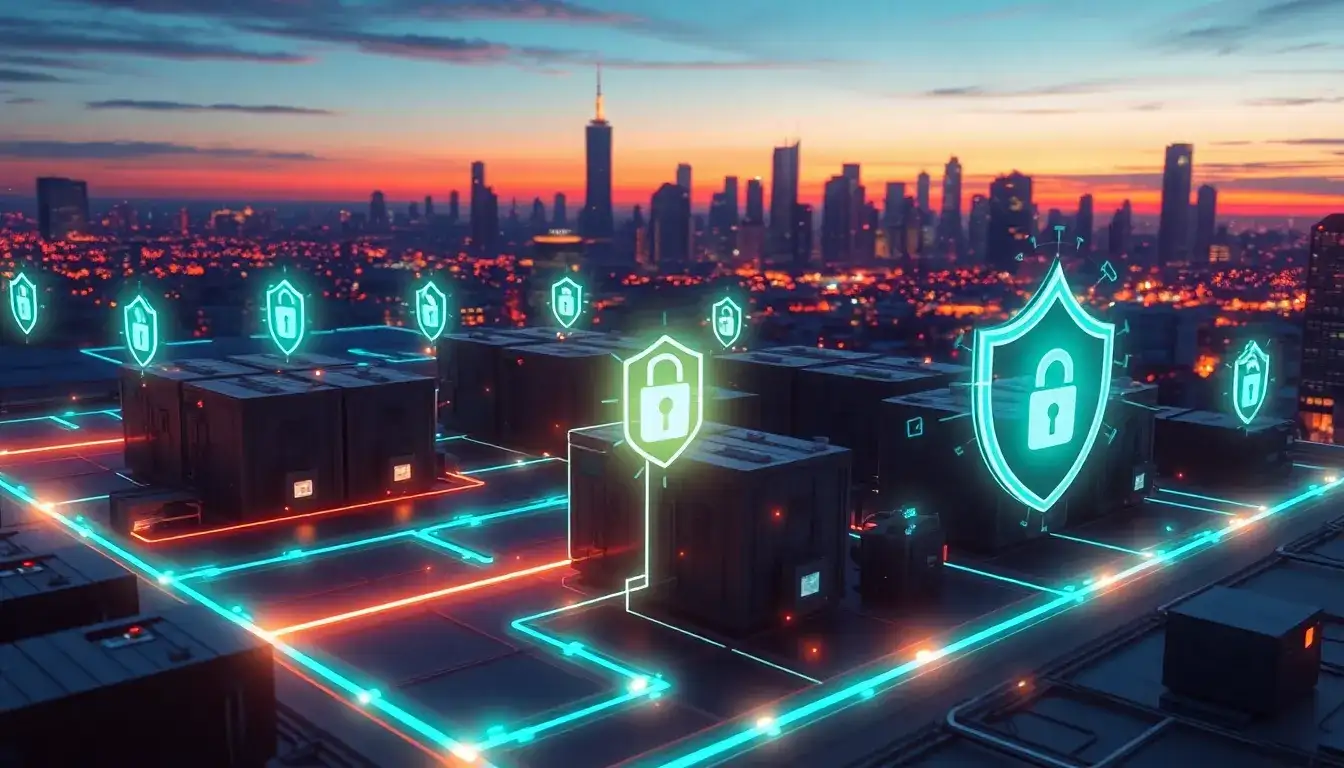
Impact of Service Level Agreements (SLAs) on the Cybersecurity Posture of Energy Storage Systems
Service Level Agreements (SLAs) play a crucial role in enhancing the cybersecurity posture of energy storage systems by defining clear responsibilities and expectations between asset owners and technology suppliers. This is particularly important as energy storage systems become increasingly integral to modern grid infrastructure, facing heightened risks from cyber threats.
Key Aspects of SLAs in Cybersecurity:
- Clarification of Responsibilities: SLAs help ensure that cybersecurity responsibilities, such as security updates, patching, and incident response, are well-defined and agreed upon by all parties involved. This clarity prevents confusion and delays in responding to security incidents.
- Compliance with Standards: SLAs often require adherence to industry cybersecurity standards, such as NERC CIP in North America, which mandate robust security controls and monitoring for grid-connected assets. This ensures that energy storage systems are aligned with best practices for protecting critical infrastructure.
- Proactive Maintenance: Some SLAs include provisions for proactive maintenance, such as routine vulnerability scans and penetration testing, which help identify security gaps before they can be exploited. This proactive approach strengthens the overall cybersecurity resilience of the systems.
- Response Times and Support: SLAs typically specify guaranteed response times for technical issues, which is crucial for minimizing downtime and mitigating the impact of cyber incidents. Immediate support can help contain threats and restore systems quickly.
- Influence on Supply Chain Security: SLAs can also influence how suppliers are selected, emphasizing the importance of working with vendors who adhere to stringent cybersecurity standards. This reduces the risk of vulnerabilities introduced through the supply chain.
Conclusion:
In summary, SLAs have a positive impact on the cybersecurity posture of energy storage systems by establishing clear accountability, promoting compliance with industry standards, facilitating proactive maintenance, ensuring rapid response mechanisms, and enhancing supply chain security. By integrating these aspects into SLAs, energy storage operators can significantly improve their resilience against cyber threats.
Original article by NenPower, If reposted, please credit the source: https://nenpower.com/blog/how-do-slas-impact-the-overall-cybersecurity-posture-of-energy-storage-systems/

