

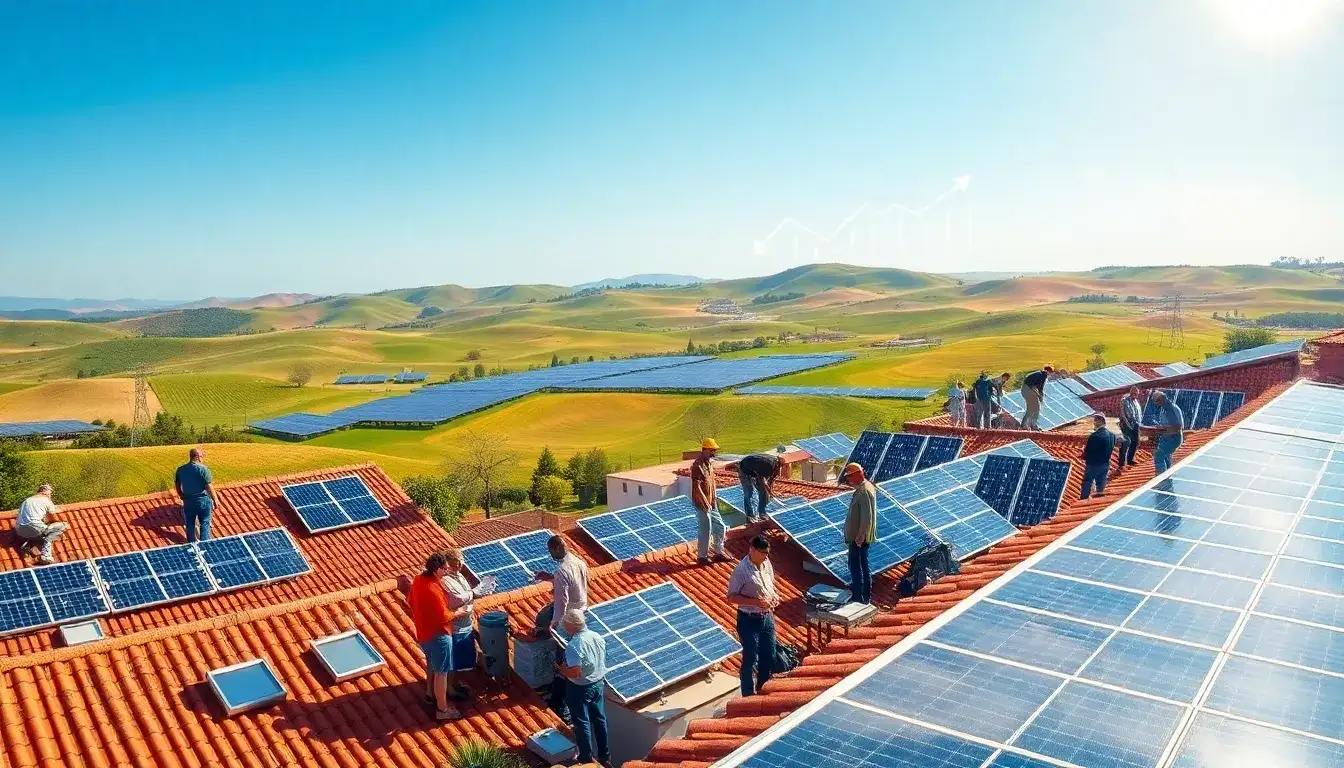
Renewable Portfolio Standards and Solar Job Creation
Renewable Portfolio Standards (RPS) policies significantly influence job creation in the solar industry by driving demand for renewable energy, which in turn stimulates economic development and employment opportunities. Here’s how RPS policies impact solar job creation:
How RPS Policies Work
An RPS mandates that utilities or electricity providers generate or procure a specific minimum percentage of their electricity from renewable sources, including solar energy. This requirement often escalates over time, increasing the demand for renewable electricity generation infrastructure.
Influence on Solar Industry Job Creation
- Increased Demand for Solar Projects: As utilities work to meet RPS targets, they invest more in solar energy projects—both large-scale solar farms and distributed solar installations—leading to a surge in jobs related to site preparation, engineering, installation, and maintenance.
- Market Expansion and Diversification: RPS policies encourage diversification of energy portfolios towards domestic renewable sources. This creates a fertile environment for solar companies to grow, innovate, and hire more staff.
- Economic Development and Manufacturing: By promoting domestic solar production, RPS can stimulate local manufacturing and supply chains for solar panels and related components, generating manufacturing jobs alongside installation and maintenance roles.
- Long-Term Job Stability: With RPS programs, states often set progressively higher renewable energy targets (for example, California’s RPS increasing to 60% by 2030), providing a predictable market environment that supports sustained job growth in solar-related fields.
- Skill Development and Training: Meeting RPS mandates requires a skilled workforce, prompting investments in technical training and education programs, further bolstering employment in solar sectors.
Summary
RPS policies create a stable, growing demand for solar energy, driving job creation across the solar value chain—from manufacturing and project development to installation and maintenance. They also encourage economic development by fostering a domestic renewable energy industry, which translates into sustained job growth within the solar sector.
Thus, RPS policies are a key policy tool that governments use to promote renewable energy deployment and simultaneously stimulate job creation in the solar industry.
Original article by NenPower, If reposted, please credit the source: https://nenpower.com/blog/how-do-rps-policies-influence-job-creation-in-the-solar-industry/

