

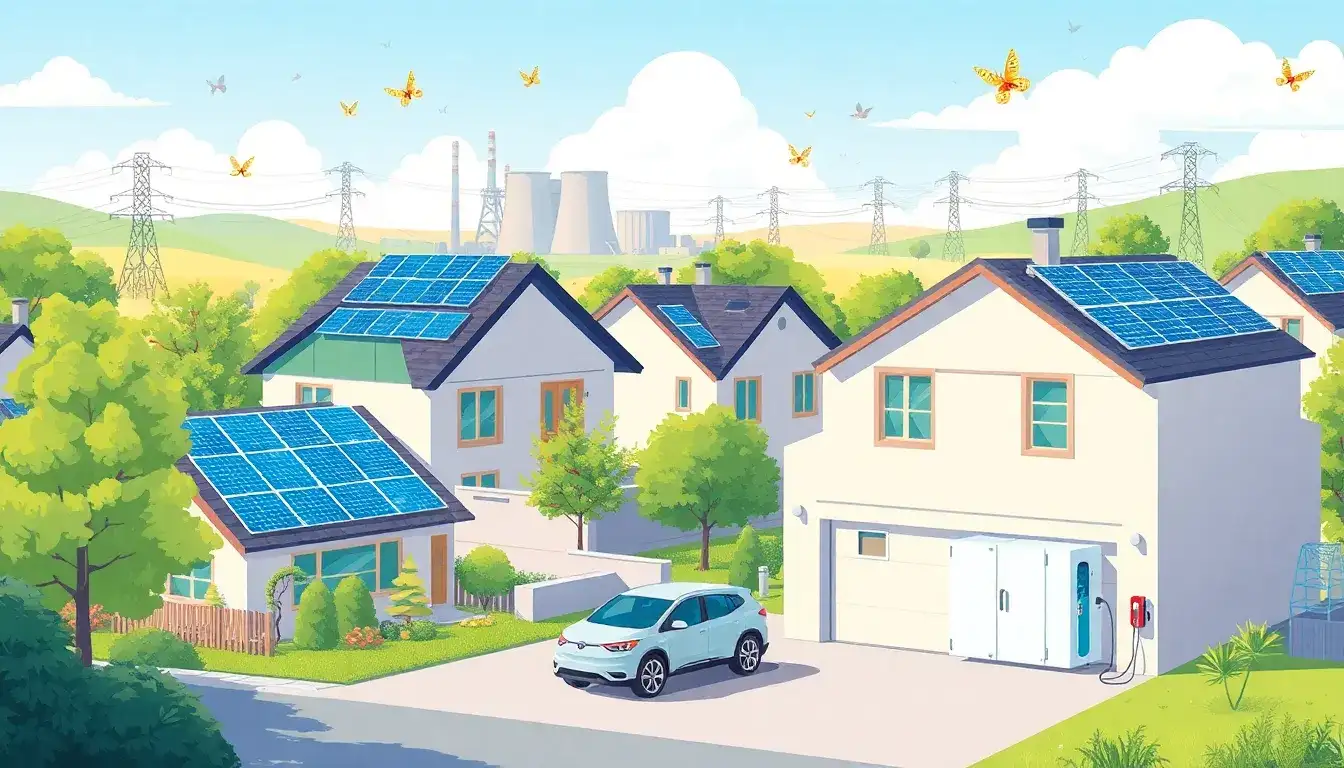
Residential Energy Storage Systems: Environmental Impacts
Residential energy storage systems have both positive and negative environmental impacts:
Positive Environmental Impacts
- Reduced Reliance on Fossil Fuels: By storing and utilizing renewable energy, such as solar and wind power, these systems decrease the need for fossil fuels, thereby reducing greenhouse gas emissions and supporting global efforts to combat climate change.
- Lower Carbon Footprint: Residential energy storage systems help minimize the overall carbon footprint of a home by reducing dependence on grid electricity, which may still rely on fossil fuels.
- Enhanced Grid Stability: By smoothing out demand peaks and providing distributed energy resources, home batteries reduce strain on the grid, minimizing the risk of blackouts and enhancing grid resilience.
- Promoting Renewable Energy: These systems make renewable energy more practical by storing excess energy for use during periods of low production, thereby encouraging the adoption of solar and wind power.
Negative Environmental Impacts
- Manufacturing Process: The production of residential energy storage systems involves the extraction and processing of raw materials like lithium and cobalt, which can lead to environmental issues such as water pollution and habitat destruction.
- Energy Consumption and Emissions: The manufacturing process and transportation require energy from fossil fuels, contributing to greenhouse gas emissions. For example, producing a 10 kWh lithium-ion battery system can release about 1.5 tons of CO2.
- Disposal Challenges: While long-lasting, batteries eventually need replacement. Improper disposal can lead to environmental contamination due to toxic chemicals and metals.
Mitigation Strategies
To maximize environmental benefits while minimizing negative impacts, homeowners should opt for energy-efficient systems, ensure recyclability at end-of-life, and use these systems in conjunction with renewable energy sources.
Original article by NenPower, If reposted, please credit the source: https://nenpower.com/blog/how-do-residential-energy-storage-systems-impact-the-environment/

