

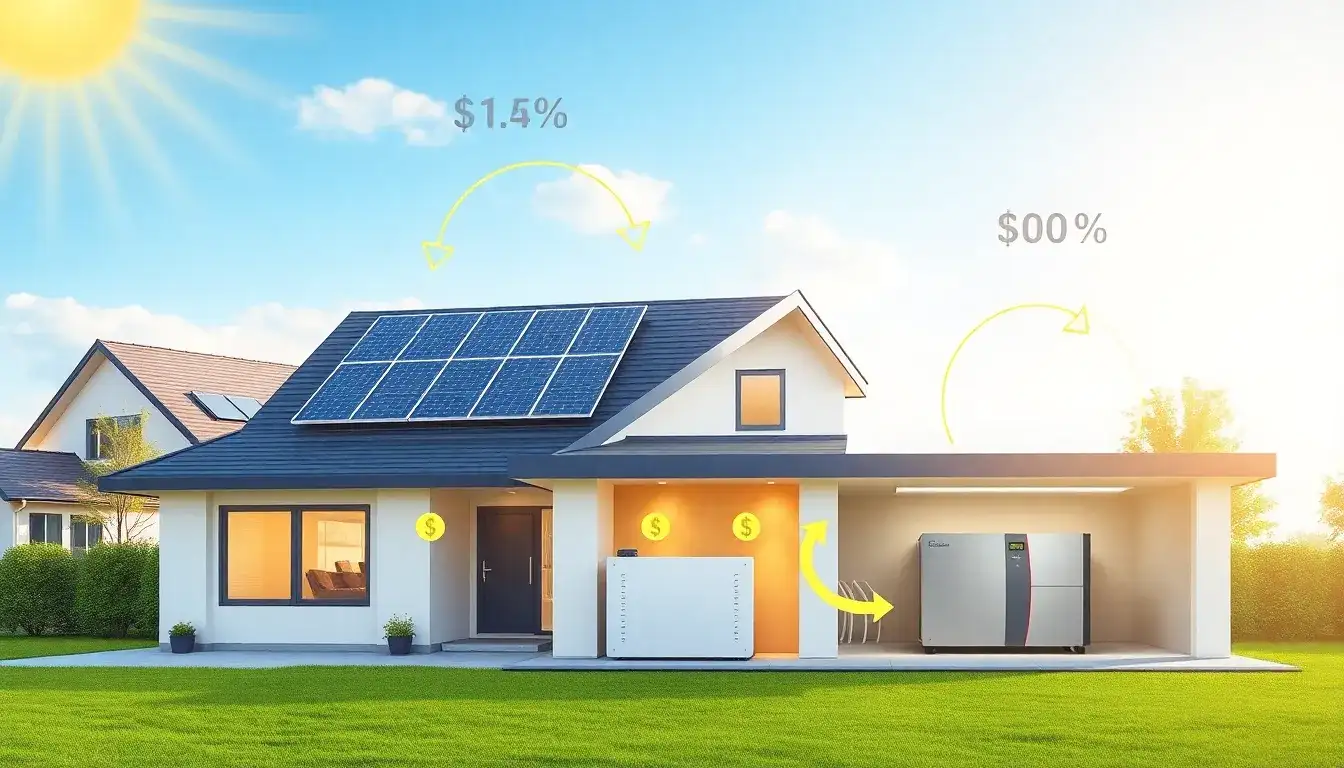
- Time of Use Optimization:
- Storing Energy During Off-Peak Hours: Homeowners can charge their energy storage systems during times when electricity rates are lower.
- Using Stored Energy During Peak Hours: The stored energy is then used during peak demand times when electricity costs are higher, thus avoiding costly grid electricity.
- Peak Shaving:
- Reducing Grid Demand: By using stored energy during peak hours, homeowners reduce their demand from the grid, which can lead to savings on peak hour charges and demand charges imposed by utility companies.
- Renewable Energy Utilization:
- Storing Surplus Renewable Energy: For homes with solar or wind power, excess energy generated during favorable conditions can be stored and used when renewable sources are not available. This reduces reliance on traditional grid electricity.
- Grid Independence:
- Reduced Dependence on Grid: Energy storage systems enable homeowners to become less reliant on the grid, providing a level of energy independence. This can lead to long-term savings and protection against rising energy prices.
- Load Shifting:
- Shifting Energy Use: Homeowners can store energy during periods of low use and deploy it during periods of high demand, further optimizing their energy costs by minimizing reliance on expensive grid power during peak times.
By implementing these strategies, residential energy storage systems not only help homeowners save on their energy bills but also contribute to a more sustainable energy management approach.
Original article by NenPower, If reposted, please credit the source: https://nenpower.com/blog/how-do-residential-energy-storage-systems-help-reduce-energy-costs/

