

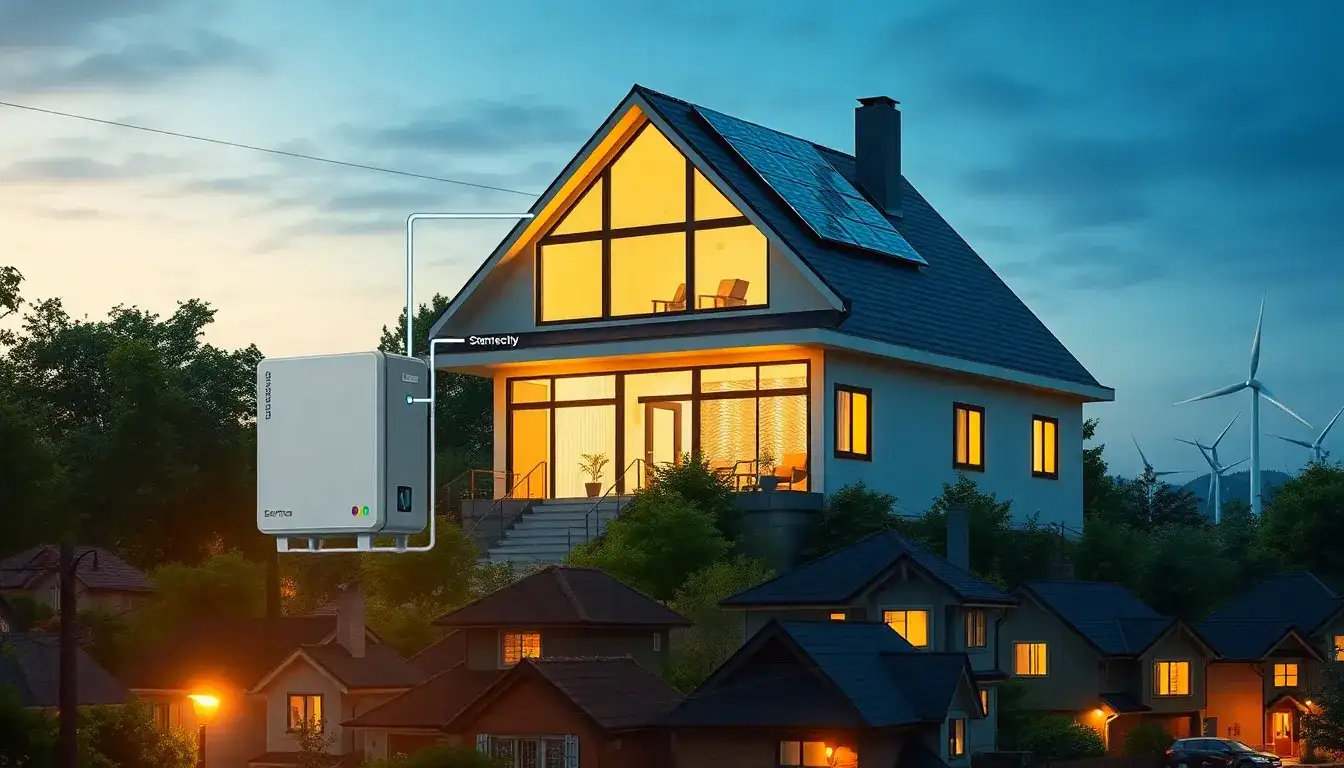
Role of Residential Energy Storage Systems
1. Backup Power During Outages
Residential energy storage systems can provide power during grid failures. They store excess energy generated from renewable sources like solar or wind and release it when needed, ensuring an uninterrupted energy supply to homes and businesses. This is particularly beneficial during natural disasters or extreme weather events when grid power is disrupted.
2. Reducing Grid Overload
By storing energy during peak production periods and using it during peak demand, these systems help balance supply and demand, reducing the likelihood of grid overloads and blackouts. This not only stabilizes the grid but also helps manage the volatility introduced by intermittent renewable energy sources.
3. Supporting Critical Infrastructure
Residential storage can be aggregated and dispatched to support critical infrastructure such as hospitals and emergency services during outages, ensuring continuity of vital services.
4. Microgrid Integration
Residential energy storage can be part of microgrids, which are localized power networks that can operate independently of the main grid during disruptions. This allows communities to maintain power to essential services even when the main grid is down.
5. Decentralized Energy Solutions
By empowering households to manage their own energy storage, these systems promote decentralized energy solutions, reducing reliance on centralized power plants and enhancing overall grid resilience.
6. Cost Reduction
Energy stored during off-peak hours can be used during peak hours, reducing the need for expensive peaking plants and lowering electricity bills for residential users.
7. Enhanced Grid Flexibility
Residential energy storage contributes to a more flexible grid by providing energy when it’s most needed, supporting the integration of renewable energy sources and ensuring a smoother operation of the grid.
In summary, residential energy storage systems are crucial for maintaining grid resilience during outages by offering backup power, stabilizing the grid, and supporting decentralized energy management.
Original article by NenPower, If reposted, please credit the source: https://nenpower.com/blog/how-do-residential-energy-storage-systems-enhance-grid-resilience-during-outages/

