

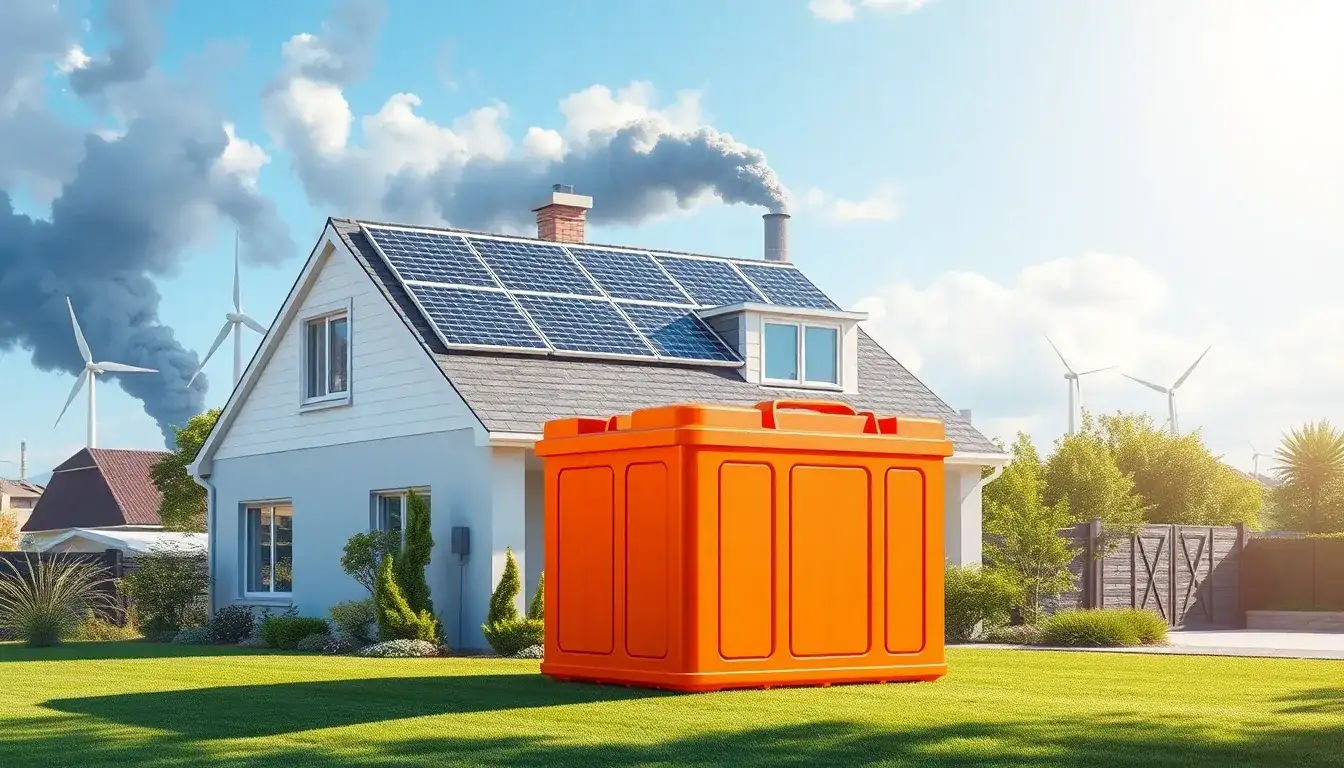
Residential energy storage systems play a crucial role in reducing greenhouse gas emissions by enhancing the efficiency and effectiveness of renewable energy sources. Here are some key ways these systems contribute:
Reducing Reliance on Fossil Fuels
- Utilizing Clean Energy: Residential energy storage systems can store surplus energy generated from renewable sources like solar and wind power. This stored energy reduces the need to draw power from fossil fuel-based sources during peak demand hours, thereby lowering greenhouse gas emissions.
- Lowering Carbon Footprints: By using stored renewable energy instead of grid power, which often relies on fossil fuels, homeowners can significantly reduce their carbon footprint.
Improving Energy Efficiency and Reducing Waste
- Energy Waste Reduction: These systems help minimize energy waste by storing excess energy for later use, ensuring maximum utilization of clean energy sources.
- Peak Demand Management: Residential energy storage systems allow homes to use stored energy during peak hours, reducing strain on the grid and associated emissions from backup generators.
Promoting Sustainable Energy Use
- Encourages Renewable Energy Adoption: By making renewable energy more practical, it encourages its adoption and contributes to a cleaner energy landscape.
- Enhances Grid Stability: Residential energy storage systems support grid stability by reducing dependency on traditional energy sources, potentially decreasing the need for new power plants.
Overall, residential energy storage is a vital component in the transition to a cleaner, more sustainable energy future, helping reduce greenhouse gas emissions by leveraging renewable energy sources effectively.
Original article by NenPower, If reposted, please credit the source: https://nenpower.com/blog/how-do-residential-energy-storage-systems-contribute-to-reducing-greenhouse-gas-emissions/

