

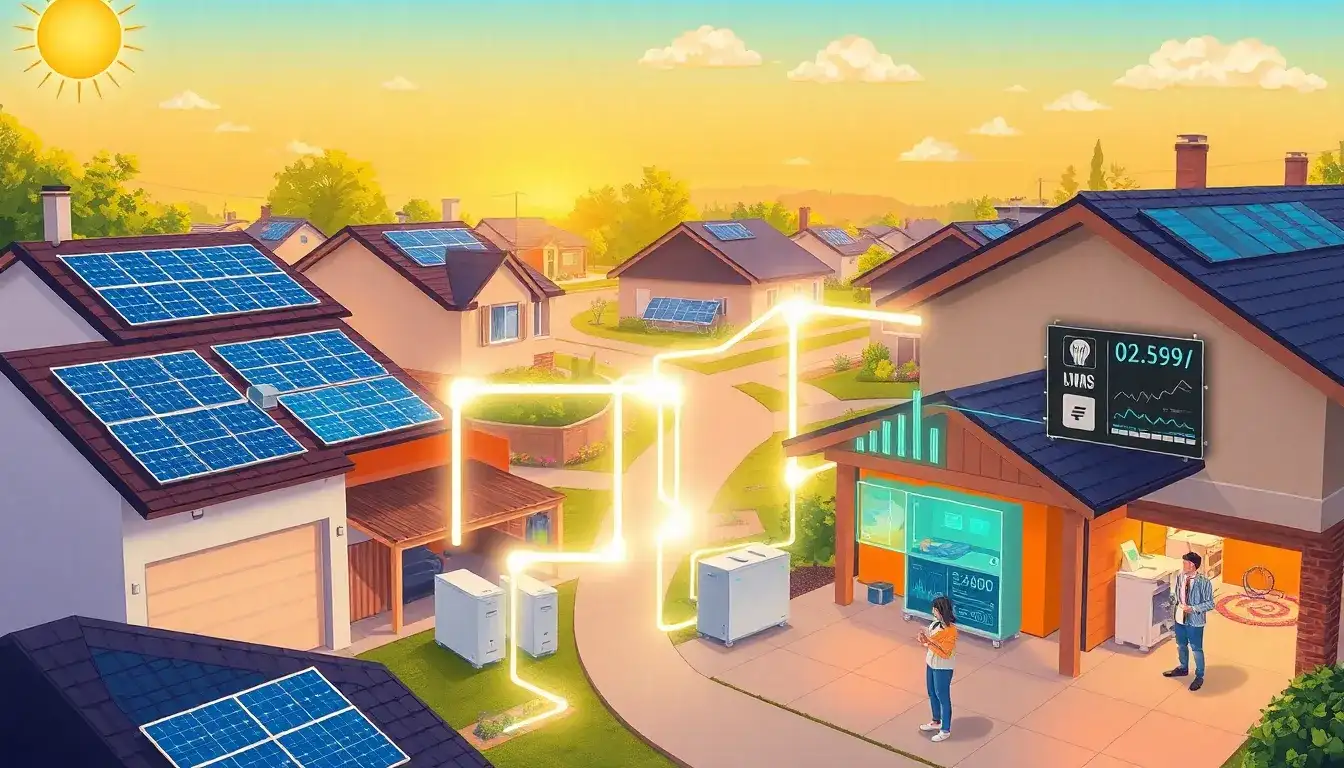
Contribution to Grid Stability
- Balancing Supply and Demand: Residential energy storage systems can store excess energy generated by renewable sources (like solar or wind) during periods of low demand and release it when demand exceeds supply, helping maintain a balanced grid.
- Peak Shaving and Load Management: By storing energy during off-peak periods and releasing it during peak demand times, these systems reduce the load on the grid, minimizing the need for additional power generation and lowering the risk of blackouts.
- Frequency Regulation: Although mainly performed at larger scales, residential systems can indirectly support grid frequency by managing local power flow and reducing strain on transmission lines.
- Renewable Energy Integration: They help optimize the use of intermittent renewable energy sources by storing excess energy for later use, ensuring a more consistent power supply.
- Enhanced Grid Resiliency: Residential energy storage systems can provide backup power during grid outages, improving the reliability and resilience of the grid.
Benefits of Residential Systems
- Energy Independence: Homeowners can rely less on the grid, especially during outages.
- Cost Savings: Reduces electricity bills by optimizing renewable energy use and reducing peak demand charges.
- Environmental Benefits: Decreases reliance on fossil fuels, contributing to a cleaner energy ecosystem.
As technology advances and costs decrease, residential energy storage systems will play an increasingly vital role in maintaining grid stability and promoting renewable energy integration.
Original article by NenPower, If reposted, please credit the source: https://nenpower.com/blog/how-do-residential-energy-storage-systems-contribute-to-grid-stability/

