

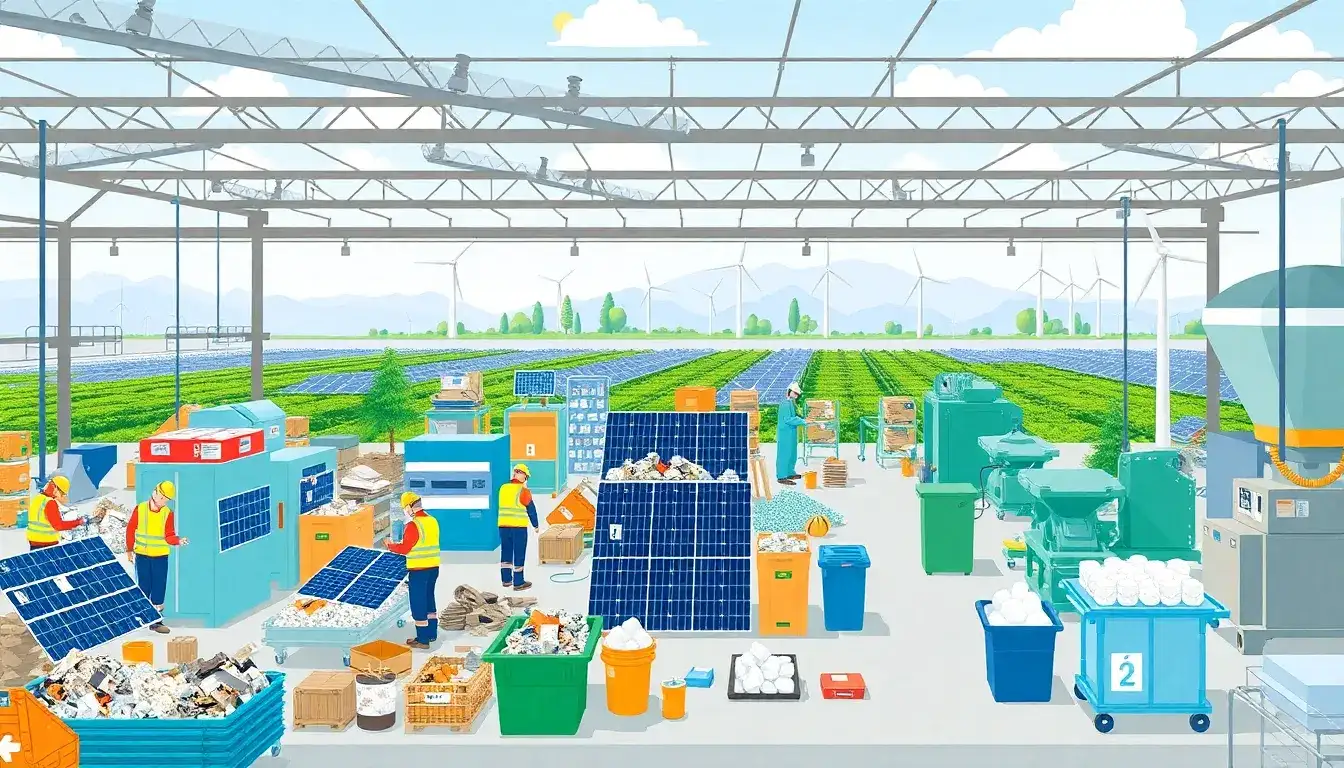
Regulations under the Resource Conservation and Recovery Act (RCRA) significantly influence the recycling process of solar panels due to the presence of potentially hazardous materials in them.
Impact of RCRA on Solar Panel Recycling
- Hazardous Waste Classification: Solar panels contain toxic heavy metals, such as cadmium and lead, which can classify the panels or their components as hazardous waste when they reach end-of-life or are designated for disposal or recycling. This classification triggers stringent hazardous waste management requirements under RCRA to prevent environmental contamination.
- Legitimate Recycling Criteria: To be considered legitimate recycling under RCRA, recyclers must comply with EPA’s four legitimacy factors outlined in 40 CFR Section 260.43. These factors ensure that the recycling process is genuine and environmentally sound, not a sham designed to circumvent hazardous waste regulations.
- Component-specific Recycling: EPA allows recyclers to recycle parts of the solar panels, such as aluminum frames, as long as these parts provide a useful contribution to the recycled product and the recycler meets legitimacy criteria. However, any residual waste from the panels left after removing recyclable components must be evaluated for hazardous characteristics. If these residuals are hazardous, they must be managed as hazardous waste from the point of removal onward.
- Universal Waste Rule Expansion: EPA has plans to modify and expand the RCRA universal waste regulations to include solar panels. This move aims to facilitate safer and more streamlined handling, recycling, and disposal of solar panels and related materials like lithium batteries, potentially easing regulatory burdens while ensuring environmental protection.
- Reuse vs. Waste: If solar panels are reused or sent off-site for reuse, they are not considered solid waste under RCRA, and hazardous waste regulations do not apply. This distinction encourages reuse and extends the life of solar panels, reducing the need for disposal or recycling under hazardous waste rules.
Summary
RCRA regulations impact solar panel recycling by requiring hazardous waste determination and management for panels or their residues containing toxic metals. Recycling operations must meet EPA’s legitimate recycling factors to ensure compliance. Partial recycling of components like aluminum frames is permitted, but leftover materials must be evaluated and potentially managed as hazardous waste. Upcoming expansions of the universal waste rule may provide more efficient regulatory pathways for managing solar panel waste. Reuse of panels avoids classification as waste, bypassing RCRA hazardous waste regulations altogether.
Original article by NenPower, If reposted, please credit the source: https://nenpower.com/blog/how-do-regulations-under-rcra-impact-the-recycling-process-of-solar-panels/

