

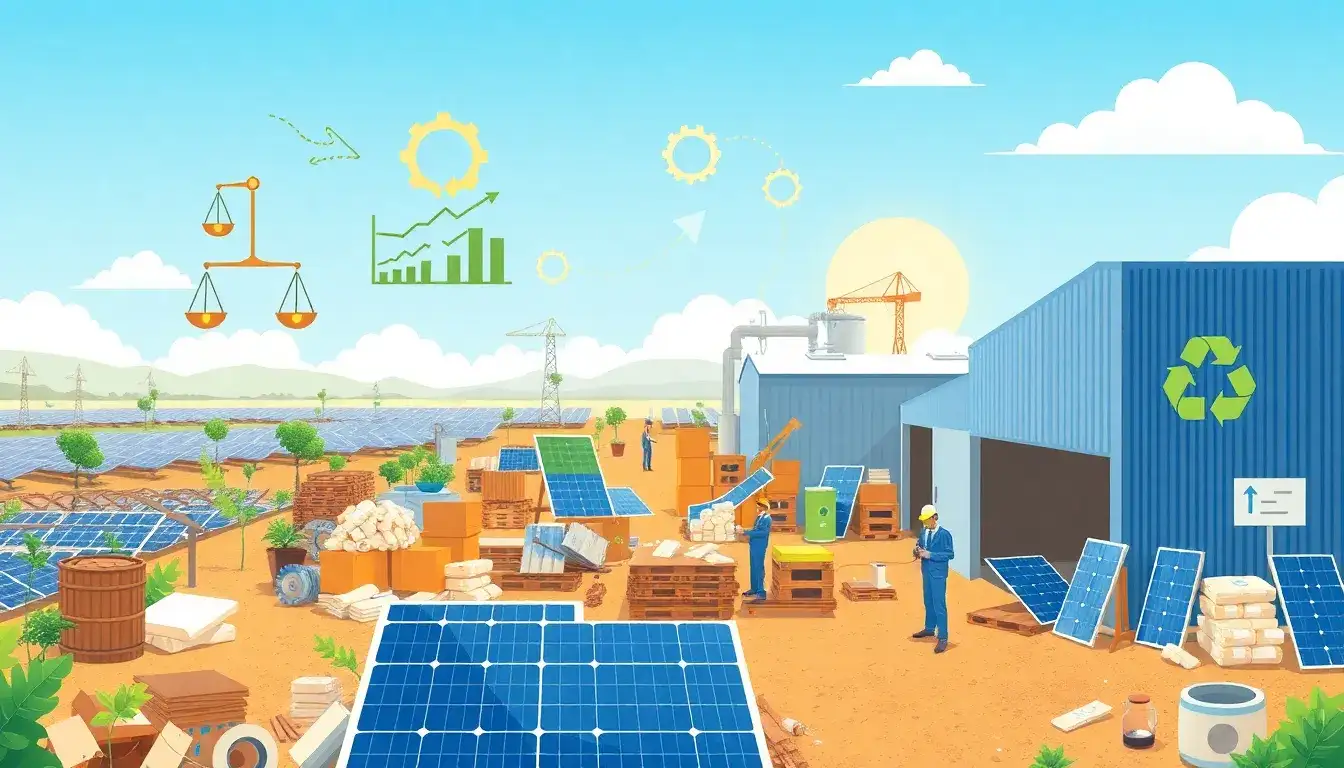
Regulations play a crucial role in impacting the economic viability of photovoltaic (PV) recycling by influencing market conditions, costs, and profitability. Here are some ways regulations affect PV recycling:
Regulatory Impact on Economic Viability
- Supply Chain Stability and Resource Security: Regulations can mandate or incentivize the recycling of PV modules, which helps stabilize the supply chain by securing resources such as silicon, silver, and aluminum. This can decrease manufacturing costs for new PV modules.
- Market Incentives: Policies that reduce regulatory burdens and legal liabilities associated with PV recycling can make it more economically viable compared to disposal. For example, classifying PV modules as universal waste rather than hazardous waste can simplify recycling processes and reduce costs.
- Revenue Streams: Regulations mandating manufacturers to recycle or take back PV modules can create new revenue streams through the recovery and sale of valuable materials. This can also enhance a company’s green reputation and provide tax benefits.
- Infrastructure Development: By requiring responsible end-of-life management, regulations can drive investment in recycling infrastructure. This helps establish a robust recycling industry that can process the increasing volume of PV waste, creating jobs and economic opportunities.
- Cost Competitiveness: Regulations that provide exemptions from stringent hazardous waste regulations for recycled materials can make recycling more cost-competitive with disposal. This encourages more businesses to engage in recycling, increasing the industry’s overall economic viability.
Future Economic Potential
- Market Size: The U.S. industry for recovered PV materials could reach $60 million by 2030 or $2 billion by 2050. Global projections suggest that recycling PV panel waste could create about $8.8 billion of value by 2050.
- Material Recovery: Proper recycling can recover valuable materials and reduce energy consumption for new panel production by up to 50%, further enhancing economic viability.
In summary, regulations can significantly impact the economic viability of PV recycling by creating market incentives, reducing costs, and promoting infrastructure development, thereby fostering a more circular economy.
Original article by NenPower, If reposted, please credit the source: https://nenpower.com/blog/how-do-regulations-impact-the-economic-viability-of-pv-recycling/

