

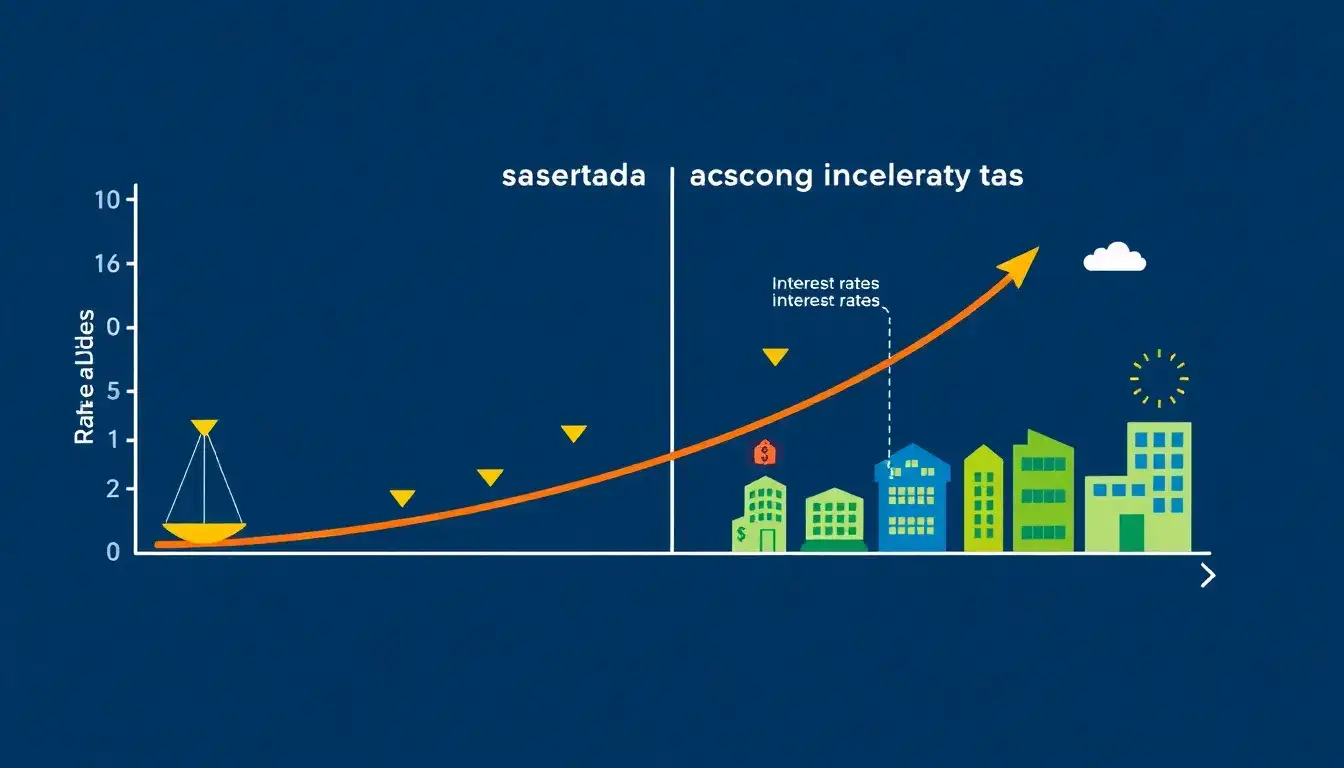
Understanding Rate Adders and Their Impact on C-PACE Loans
C-PACE (Commercial Property Assessed Clean Energy) loans offer a mechanism for property owners to finance energy-efficient improvements through long-term, fixed-rate debt tied to property tax assessments. The interest rates for C-PACE loans are typically set at a few hundred basis points above the yield on long-term government bonds, such as the 10-year Treasury bond.
How Rate Adders Work
- Basis for Interest Rate Calculation: The interest rates for C-PACE loans are generally based on the yield of long-term government securities, like the 10-year Treasury bond. This provides a low and stable base rate.
- Rate Adders: To compensate lenders for various risks and costs associated with C-PACE financing, rate adders are applied. These are increments to the base interest rate, usually expressed in basis points (e.g., 300 to 400 basis points over the Treasury yield). Rate adders can influence the overall attractiveness and affordability of C-PACE financing for borrowers.
Impact of Rate Adders on Long-Term Interest Rates
- Increased Cost: Rate adders increase the effective interest rate charged to borrowers, making the loan more expensive. However, the fixed nature of C-PACE loans provides long-term certainty and stability in repayment terms.
- Offsetting High Market Rates: Despite the increased cost due to rate adders, C-PACE loans often offer lower rates than traditional construction loans or senior mortgages, especially during periods of high market interest rates.
- Finance Structure and Leverage: The inclusion of C-PACE loans in a project’s capital stack can enhance its overall financial structure by reducing the weighted cost of capital. This allows developers to access more favorable terms on other debt components.
Conclusion
Rate adders in C-PACE loans affect the long-term interest rates by increasing the borrowing cost. However, they remain attractive due to the stable repayment terms and lower rates compared to other financing options available in the market. This makes C-PACE financing a viable strategy for commercial property owners seeking to manage costs effectively while maintaining compliance with energy efficiency standards.
Original article by NenPower, If reposted, please credit the source: https://nenpower.com/blog/how-do-rate-adders-affect-the-long-term-interest-rates-in-c-pace-loans/

