

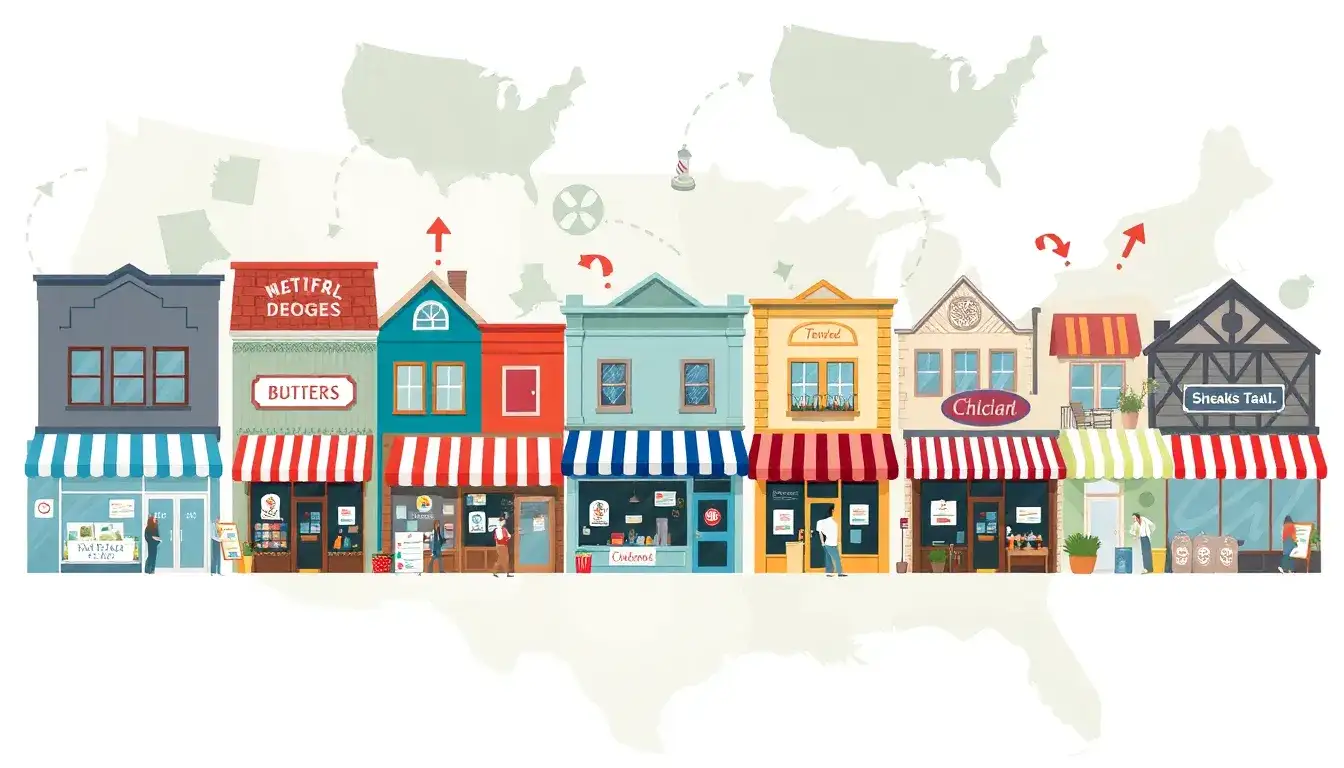
Procurement targets significantly impact small businesses across different states by creating opportunities and challenges that vary based on local policies and implementation approaches.
Impact of Procurement Targets on Small Businesses
- Increased Contracting Opportunities: Procurement targets set by federal, state, and local governments aim to allocate a specific share of contracts to small businesses, including those owned by underrepresented groups such as women, veterans, and minorities. For example, the federal government targets about 23% of contracting dollars to small businesses annually. These targets help small businesses access government contracts, which can be critical revenue sources and growth opportunities.
- Encouragement of Inclusive Economic Growth: Procurement policies at different government levels are designed to broaden economic recovery by distributing contracts more equitably among diverse small businesses. This inclusive approach supports survival and long-term success of businesses that might otherwise be marginalized in traditional procurement systems.
- State-Level Variations and Programs: Different states have implemented targeted procurement programs tailored to their local economies. A notable example is California’s “Small Business First” program, which mandates that University of California contracts between $10,000 and $250,000 be awarded to small businesses or Disabled Veterans Business Enterprises wherever practicable. This program simplifies the procurement process for small businesses and improves their access to contracts, helping to mitigate pandemic-related challenges and stimulate local economic growth.
- Empowerment of Local Suppliers: Public procurement that focuses on local small businesses drives job creation and economic resilience. States and local governments that prioritize local supplier participation often see more robust economic outcomes in their communities as procurement dollars circulate within the local economy.
- Challenges and Barriers: Despite procurement targets, small businesses face barriers such as complex application processes, stringent qualification criteria, and underrepresentation of specific groups like women-owned businesses. Many federal and state reform efforts are aimed at lowering these barriers to meet procurement goals more effectively and ensure equitable access.
Summary
Procurement targets impact small businesses differently across states depending on how these targets are implemented and enforced. States with targeted programs and simplified procurement processes can enhance opportunities for small businesses, enabling them to participate more fully in public contracting, drive local economic growth, and support diverse entrepreneurs. Conversely, without adequate reforms and support, these targets may be harder to meet, limiting the economic benefits small businesses could gain from public procurement.
Original article by NenPower, If reposted, please credit the source: https://nenpower.com/blog/how-do-procurement-targets-impact-small-businesses-in-different-states/

